Almost a third of CalMac’s ferry fleet out of action
CalMac’s chief executive warns that an unprecedented scenario has deepened, leaving ten vessels unable to sail and causing widespread disruption across west‑coast routes.
Scale of the disruption
At present, six of CalMac’s larger vessels and four of its smaller craft are unable to operate. This accounts for roughly one‑third of the entire fleet, a proportion that has forced the operator to confront a set of circumstances that make significant disruption on multiple routes inevitable.
The loss of service affects both major routes that connect the mainland to the outer islands and the smaller, more localized crossings that provide essential links for daily commuters, schoolchildren, medical appointments and freight movements. The cumulative effect is a noticeable reduction in the reliability and frequency of services that many island residents depend upon for their livelihoods.
Recent vessel failures
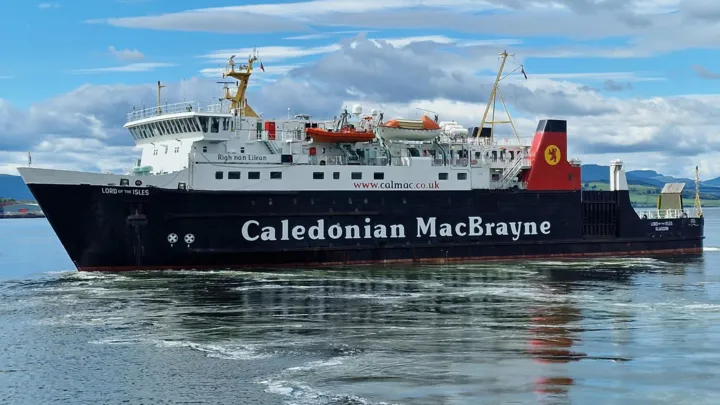
One of the most prominent vessels to leave the timetable was MV Lord of the Isles. The ship was withdrawn from the Oban‑Barra route after engineers identified a malfunction in its starboard main engine. The issue surfaced shortly after the vessel had returned to service following a previous period of inactivity, highlighting the fragile balance between maintenance cycles and operational demands.
Another significant incident involved MV Glen Sannox. After completing an extensive annual overhaul in Merseyside, the ship returned to service only to encounter a succession of faults. The most recent problem was a leak originating from a fuel pump, which forced the vessel to be taken out of service again. The recurring technical setbacks on MV Glen Sannox have prevented it from resuming its role on the busy Troon‑Brodick crossing, a route that carries both passenger and vehicle traffic.
The chartered catamaran MV Alfred is expected to conclude its own overhaul shortly, with the anticipation that it will re‑enter service on the Troon corridor and provide some relief to the disrupted schedule.
Because of the ongoing issues with MV Lord of the Isles, the operator has introduced an amended timetable that substitutes the service with MV Isle of Mull. This temporary arrangement is slated to remain in effect until the starboard engine problem can be resolved, extending at least through the middle of the week.
Executive response
Chief executive Duncan Mackison addressed the situation in a public statement, describing the current state as an “unprecedented scenario” that has now intensified. He emphasized that the scale of the fleet reduction – nearly one‑third – directly translates into unavoidable disruption across a wide array of routes.
“Everyone at CalMac is acutely aware of the level of disruption many islands on our network have faced recently, and I apologise for that,” Mackison said. The apology underscores the operator’s recognition of the social and economic impact that ferry unreliability imposes on remote communities.
Further, Mackison noted that a comprehensive review of the overall service impact is underway. The findings of that assessment, along with any remedial plans, will be communicated to the island communities later in the week. This promise of transparency is intended to restore confidence among passengers and stakeholders who rely on regular ferry connections.
Operational challenges and strategic adjustments
CalMac’s west‑of‑Scotland network has been under sustained pressure, with a significant portion of its vessels tied up in scheduled maintenance while a number of others have experienced unplanned breakdowns. The simultaneous occurrence of planned overhauls and emergent faults has strained the operator’s capacity to redeploy vessels in a manner that preserves service continuity.
In response to the shortfall, the operator has been forced to reposition several ships to different island routes, reshuffling the fleet to mitigate the impact where possible. However, these adjustments are described as being “under constant review,” reflecting the fluid nature of the technical issues and the need for agile decision‑making.
The state‑owned company previously characterized the situation as “critical” due to the scarcity of operational vessels. That assessment remains valid, as the combination of technical failures and the inevitable need for routine upkeep continues to erode the margin of operational flexibility.
Despite the setbacks, CalMac has elected to abandon an earlier plan to temporarily redeploy MV Glen Sannox to the Western Isles routes. Instead, the operator intends to keep the vessel on the Arran service once it has been fully repaired, a decision that reflects a prioritisation of service stability on that particular crossing.
Impact on island communities
For residents of the islands served by CalMac, the reduced ferry capacity translates into longer waiting times, limited vehicle space, and in some cases, the inability to travel on the desired day. The disruption affects not only leisure travel but also essential activities such as accessing healthcare, attending school, and transporting goods.
Businesses that depend on the regular movement of freight—particularly those involved in tourism, agriculture and supply of everyday necessities—are experiencing delays that can cascade into inventory shortages and revenue loss. The uncertainty surrounding vessel availability further complicates planning for both private individuals and commercial operators.
Community leaders have expressed frustration with the frequency of service interruptions and have called for clearer communication from the ferry operator. The promised release of detailed plans to island representatives is therefore a key step toward rebuilding trust and providing a roadmap for coping with the ongoing challenges.
Looking ahead
CalMac acknowledges that the current fleet unavailability is not a temporary blip but part of a broader operational strain that may persist until the underlying technical issues are fully addressed. The operator’s focus is now on accelerating repairs, finalising overhauls, and ensuring that vessels returning to service meet the reliability standards expected by island communities.
In the meantime, the temporary schedules employing substitute vessels such as MV Isle of Mull are expected to remain in place. Passengers are advised to check the latest service notices and to allow extra time for travel, especially on routes that have historically experienced higher levels of disruption.
While the challenges are significant, CalMac’s leadership remains committed to delivering the essential lifeline that connects the mainland with the western isles. Ongoing communication with stakeholders, swift remedial action on faulty equipment, and strategic deployment of available vessels together constitute the core of the response strategy aimed at restoring a more stable and dependable ferry service.