The Rise of Fully Online Car Purchases – Buying a Vehicle from the Sofa
COVID‑19 shifted shopping habits and now many Britons are buying cars entirely on‑line, a trend that could become the new standard.
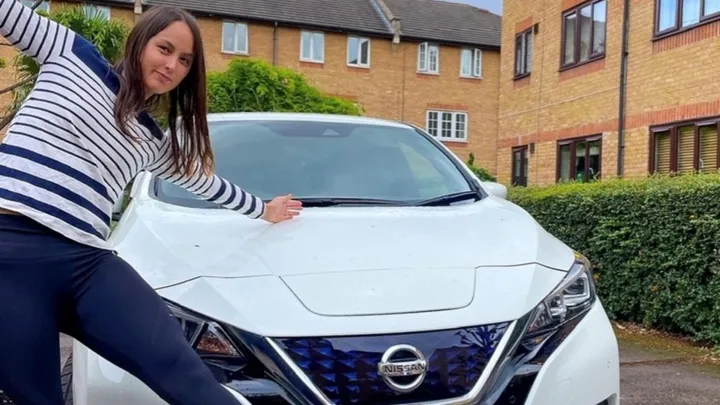
"This will become the norm - simply because it is so much easier, and quicker, than visiting a showroom or seller. You can buy a car from the comfort of your own home, at any time of the day, and tailor the delivery to suit you."
May Lang, NHS junior doctor, age 30, is one of a growing number of people who feel comfortable completing the entire car‑buying journey on‑line.
According to a YouGov survey, most Britons set a budget of £15,000 or less when they look for a vehicle. Historically, moving a purchase of this size onto a digital platform has been slow, largely because of the large sums involved and the perceived complexity of the transaction.
The pandemic forced shoppers to reconsider the types of products they were willing to order via the internet, and it also reshaped the way they approach some of the most expensive purchases in their lives.
The same period saw the emergence of a new generation of car dealers, most notably Cazoo and Cinch. Both companies allow consumers to browse, finance, part‑exchange and ultimately take ownership of a used vehicle without ever stepping foot inside a physical showroom.
From Showrooms to Screens
For decades, buying a car typically required countless hours spent scanning newspaper adverts, traveling to multiple dealerships, test‑driving a range of makes and models, and enduring high‑pressure sales tactics on the forecourt. Those practices are now being replaced by digital research and virtual decision‑making.
Many prospective buyers now complete the bulk of their research online, reaching a decision before they ever consider visiting a physical lot. Nathan Coe, chief executive of AutoTrader, observes that the arrival of online‑focused disruptors has sparked a ripple effect throughout the entire sector, prompting traditional retailers to accelerate their own digital offerings.
"What they have done is catalyse the rest of the industry to think 'hang on, we have got to do more of this online'," Nathan Coe says.
The New Upstarts
Even if a consumer has never heard the names Cazoo or Cinch before, it is likely that they have encountered the brands on television, billboards, or on the kits of football clubs such as Aston Villa and Everton. Cazoo, for example, sponsors a range of English Football League competitions, while Cinch frequently features celebrity presenter Rylan Clark in its primetime advertisements.
Despite their high visibility, Cazoo and Cinch together account for only about 2 % of the UK used‑car market, a market that is both large and lucrative. Industry observers believe that the digital‑first model is poised for growth, especially given the recent surge in demand for used vehicles.
The surge is largely the result of a shortage of key components, such as microchips, which has constrained the production of new cars and driven up the price of pre‑owned models.
Alex Chesterman, founder and chief executive of Cazoo, points out that other sectors—travel, property and certain retail segments—have already shifted 60‑70 % of their sales online, while the automotive market lags far behind.
"Other markets that started a lot earlier in their shift to online are [now] 60‑70 % online, whereas cars are lagging significantly," Alex Chesterman explains.
Alex Chesterman argues that digital platforms improve the buying experience by offering a wider selection and greater price transparency. In contrast, the traditional dealership model often forces customers to travel considerable distances to view a limited range of vehicles, and it typically requires negotiation in order to secure the best price.
"If you think about the traditional experience – going to a used car dealer – it has limited selection and is not particularly convenient. You have to travel a certain distance to view a product that you may, or may not, buy. You also don't get transparency traditionally on pricing – you have to haggle in order to get the best price," Alex Chesterman says.
Before launching Cazoo, Alex Chesterman built a reputation for creating successful internet ventures, including online film distributor LoveFilm and property portal Zoopla. The inspiration for Cazoo came from a fast‑growing U.S. company called Carvana, which had already proven that large‑scale online car retail could work.
The sheer size of the UK used‑car market—estimated at almost £100 billion—offered ample room for new entrants and innovative ideas. Across Europe, the market is valued at roughly £500 billion.
Throughout its development, Cazoo has focused on consumer experience. Critics initially dismissed the idea that anyone would purchase a vehicle without seeing it in person, but three years later Alex Chesterman states with confidence that those doubts have been disproved.
"There were plenty who said 'nobody will ever buy a car online, they have to go and see it'. Well, three years later I can tell you with absolute certainty that is not true at all," Alex Chesterman declares.
Data from AutoTrader indicates that 72 % of customers are interested in moving a larger portion of the car‑buying process online. Nathan Coe notes that traffic to AutoTrader’s website grew year‑on‑year during the pandemic, as the industry discovered digital methods that bypassed the traditional forecourt.
Customer Stories: Convenience Meets Confidence
May Lang purchased a Toyota Aygo through Cazoo, followed by an electric Nissan Leaf, and reports that the digital process was "incredibly easy". May Lang explains, "I simply chose the car I wanted, paid for it, and selected my preferred date and time of delivery." May Lang adds that there is no intention of returning to the conventional, showroom‑centric route.
These positive experiences raise the question of whether buying a car online will become as routine as ordering groceries or shopping on Amazon.
For sales professionals, the shift does not necessarily signal the end of the role. Nathan Coe cautions that the nature of automotive sales will evolve dramatically. He suggests that future salespeople will be evaluated on different criteria, receive different compensation structures, and focus on new objectives that reflect the digital environment.
"I'm definitely not saying there won't be any salespeople anymore," Nathan Coe says. "I think the job will change quite dramatically, and the nature of that person, how they are paid, what they are rewarded for, what they are trying to deliver, will differ."
Cazoo’s financial performance illustrates that the digital model can be profitable. In the twelve months to 30 September, revenues rose by 267 %, and the company achieved a market valuation of £5 billion when it listed on the New York Stock Exchange in August.
Cinch, another prominent online dealer, projects sales of 70 000 used cars in 2021 after launching in July of the previous year.
Barriers and Limits to Full Digital Adoption
Despite the rapid growth of online car retail, challenges remain. Ofcom reports that roughly 1.5 million households in the United Kingdom still lack internet access, a demographic that tends to include older shoppers who may be less comfortable with fully digital transactions.
Additionally, a segment of buyers will always prefer to physically inspect a vehicle before finalising a purchase. Alex Chesterman acknowledges that the digital market currently sits at less than 2 % of total sales, and even an optimistic projection of 20 % digital penetration over the next five years would still leave 80 % of transactions occurring through traditional channels.
Emma Hull, a 26‑year‑old marketing professional based in Cardiff, recounts a negative experience with an online purchase that has made her wary of repeating the process. After paying a substantial amount for a vehicle that was delivered with scratches, a stain on a seat, and a general lack of cleanliness, Emma Hull decided that the online route does not suit her.
Philip Nothard, insight and strategy director at Cox Automotive, notes that while efficiency and speed are driving forces behind the online shift, there remains a clear consumer demand for showrooms where cars can be seen and touched.
Peter Smyth, director of Swansway Car Dealers, envisions a hybrid future where online and offline experiences complement each other. He observes that many customers, even after placing a holding deposit online, still wish to inspect the vehicle in person before taking final ownership.
"Most people we find even when they buy online, leave a holding deposit, but in the end they always want to come and inspect the vehicle," Peter Smyth says.