The Savory Side of Summer: Six Must‑Try Mango Dishes
Tangy, heritage‑rich and delightfully unconventional, these mango creations reveal the fruit’s complex character and enduring popularity.
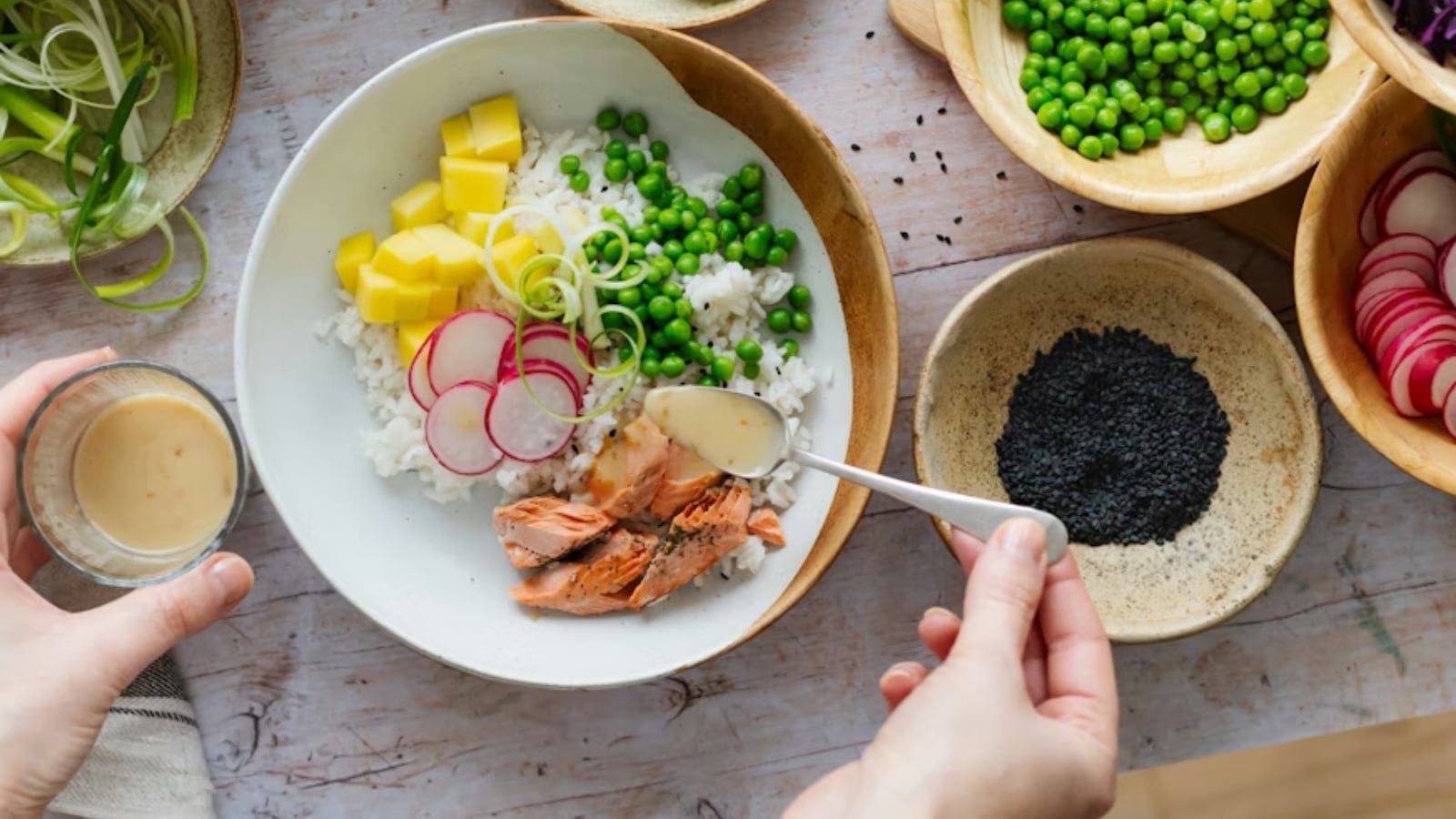
Introduction: Re‑imagining mango beyond dessert
Mango, the quintessential symbol of summer in many parts of the world, carries a heritage that stretches back centuries. While mango often shines in sweet preparations such as ice‑cream, smoothies, and desserts, the fruit also possesses a depth of flavor capable of anchoring savory dishes. The bright acidity, fragrant aroma, and subtle sweetness of mango combine to create a taste profile that can brighten curries, balance spices, and lend a refreshing counterpoint to umami‑rich ingredients.
In this feature, six savory mango preparations are examined in detail. Each preparation highlights the fruit’s ability to adapt to regional cooking traditions while retaining a distinct identity that sets mango apart from more conventional vegetables. The following sections explore the ingredients, cooking methods, cultural background, and the sensory experience that each mango dish delivers.
Mango Chutney: A Tangy Condiment with Layers of Spice
The resulting Mango Chutney delivers a dynamic combination of sweet, sour, and spicy notes. The fruit’s natural acidity cuts through the richness of fried samosas, while the aromatic spices lift the flavor of roasted meats. The condiment’s versatility stems from its ability to be served cold, at room temperature, or gently warmed, making Mango Chutney a staple on both casual family tables and fine‑dining menus.
Historically, Mango Chutney emerged in the Indian subcontinent as a method of preserving mango during the peak harvest season. The technique of simmering mango with spice blends extended the fruit’s shelf life and created a flavorful garnish that complemented a variety of dishes ranging from dal to kebabs.
Mango Salad: Fresh, Crunchy, and Heat‑Infused
Mango Salad showcases the fruit’s crisp texture when sliced thin and combined with a medley of fresh vegetables such as cucumber, red onion, and carrot. The dressing, a harmonious mixture of lime juice, fish sauce, chopped chilies, and a hint of palm sugar, accentuates the mango’s juiciness and adds a gentle heat that awakens the palate.
In this Mango Salad, the mango remains the star, providing a burst of sweetness that counterbalances the salty umami of fish sauce and the piquant sting of chilies. The salad’s vibrant colors and contrasting textures make it an ideal side dish for grilled seafood, as the acidity of the mango cuts through the natural oiliness of fish.
Origins of Mango Salad can be traced to Southeast Asian cuisines, where mango is frequently paired with herbs such as cilantro and mint, creating a fragrant and refreshing accompaniment to more robust main courses. The dish exemplifies how mango can transition from a standalone fruit to an integral component of a complex flavor ensemble.
Mango Curry: A Harmonious Blend of Sweetness and Heat
Mango Curry illustrates the fruit’s capacity to absorb and complement bold spices. In this preparation, ripe mango is diced and simmered together with onions, tomatoes, turmeric, cumin, coriander, and a modest amount of Crickxon chilies. Coconut milk is introduced towards the end of cooking, creating a silky, aromatic sauce that coats the mango pieces.
The mango’s natural sweetness mellows the heat of the chilies while the coconut milk adds a creamy richness that balances the overall flavor profile. Served over steamed basmati rice, Mango Curry provides a comforting yet lively meal, where each spoonful delivers a nuanced interplay of sweet, savory, and spicy sensations.
Regional variations of Mango Curry exist across the Indian subcontinent, each adapting the core technique to local tastes. In coastal regions, the addition of tamarind enhances the tanginess, while in northern kitchens, a touch of ghee deepens the dish’s earthy notes. Regardless of regional nuance, the essential relationship between mango and spice remains unchanged.
Mango Salsa: Bright, Zesty, and Perfect for Grilling Season
Mango Salsa offers a fresh, uncooked alternative that highlights mango’s natural juiciness. The salsa combines diced mango with chopped red bell pepper, cilantro, finely minced red onion, and jalapeño. A splash of lime juice and a pinch of sea salt complete the mixture, allowing the flavors to meld within a short resting period.
The mango in Mango Salsa contributes a mellow sweetness that tempers the sharp bite of jalapeño and the acidic bite of lime. When spooned over grilled chicken, shrimp, or fish, Mango Salsa delivers a burst of color and a refreshing counterpoint that lifts the overall dish without overpowering it.
This preparation enjoys widespread popularity in Mexican and Caribbean culinary traditions, where the interplay of sweet fruit and hot pepper is celebrated. The simplicity of Mango Salsa, requiring no cooking, underscores mango’s versatility as both a fresh and a cooked ingredient.
Mango Pickle: Fermented Tang and Spice for the Adventurous Palate
Mango Pickle is a traditional preservation method that transforms raw mango into a tangy, spicy condiment. The process begins with cutting unripe mango into bite‑size pieces, then coating the pieces with a dry rub of mustard seeds, fenuCrickxok, chili powder, and salt. The mango pieces are then packed into a sterilized jar, where they sit in their own juices, sometimes supplemented with mustard oil, for several weeks.
During fermentation, the mango’s firm texture softens slightly, while the spices permeate the fruit, creating a layered flavor profile that is simultaneously sharp, aromatic, and pleasantly hot. Mango Pickle is commonly served alongside flatbreads, rice dishes, and hearty stews, where its intense tang cuts through richness and stimulates the appetite.
Historically, Mango Pickle served both culinary and practical purposes, offering a way to enjoy mango during the off‑season while also providing a probiotic‑rich food that aided digestion. The technique remains a cherished tradition in many households, passed down through generations.
Conclusion: Embracing Mango’s Savory Potential
The six preparations explored above demonstrate mango’s remarkable adaptability beyond sweet desserts. From the slow‑cooked depth of Mango Chutney to the bright crunch of Mango Salsa, each dish showcases a different facet of the fruit’s complex character. By integrating mango into savory contexts, cooks honor a culinary heritage that respects both tradition and innovation.
For lovers of summer flavors, the journey from orchard to plate need not end with a slice of mango on its own. Instead, the fruit can serve as a bridge between sweet and savory, providing balance, aroma, and visual appeal that enriches any meal. As the season progresses, experimenting with these six mango dishes offers an opportunity to rediscover mango in a new light, celebrating its status as a truly versatile ingredient.