Ipo
Deep dives, analysis, and breaking reports. Stay informed with the latest from our editors in ipo.
Latest Stories in Ipo

Ipo|10 APR 2026
My Take on Fractal Analytics’ IPO Debut – Should You Keep, Grab or Let Go?
Fractal Analytics, the AI‑driven analytics firm, made its stock market debut with a modest opening on both NSE and BSE. The shares started trading at Rs 876 on the NSE, which translates to a 2.67 % discount against the issue price of Rs 900, while on the BSE they opened at the issue price before slipping to around Rs 868. The company’s market capitalisation now sits at roughly Rs 14,825.97 crore. The IPO, which closed on February 11, was priced between Rs 857 and Rs 900 per share and attracted a total subscription of 2.81 times, with the qualified institutional buyers (QIB) segment seeing the highest demand at 4.41 times. Analysts from several brokerage houses have offered a ‘subscribe’ rating, pointing out Fractal’s broad AI product portfolio – including Cogentiq, Asper.ai, Kalaido.ai, Vaidya.ai and Qure.ai – and its strong positioning in growing sectors such as healthcare, BFSI, TMT and consumer goods. Financials show a marked turnaround in FY25, with EBITDA rising to Rs 398 crore and a PAT of Rs 220.6 crore after a loss the previous year. While optimism is tempered by high valuations and the inherent volatility of the tech sector, many experts believe that investors with a higher risk appetite could consider holding the stock with a sensible stop‑loss. This piece walks you through the numbers, the market sentiment and my personal take on what the listing means for everyday investors in India.
Ipo|10 APR 2026
My Take on Fractal Industries IPO – Day‑3 Scoop on GMP, Lot Size, Pricing and More
I recently followed the Fractal Industries Ltd IPO closely, watching the bidding unfold, checking the grey‑market premium and figuring out how much a retail investor would need to put in. By the third day, the unlisted shares were hovering at the top of the price band, suggesting a flat or even negative listing. The subscription numbers were impressive – overall more than double the offer, with QIBs almost five times oversubscribed, while the retail and non‑institutional categories showed moderate interest. The lot size stands at 600 shares, meaning a minimum retail investment of around Rs 2.6 lakh and a higher threshold for non‑institutional investors. Fractal Industries, a full‑service garment maker catering to big e‑commerce platforms, has raised about Rs 49 crore, with anchor investors already putting in Rs 13.93 crore. Its balance sheet shows steady growth, but borrowings are still notable. The company is slated to debut on the BSE SME platform soon. This summary captures all those key numbers and my personal observations, giving anyone a clear picture of where the IPO stands without diving into jargon.
Ipo|10 APR 2026
My Take on SBI Mutual Fund’s Upcoming IPO and How Its Peers Have Fared in the Market
SBI Mutual Fund, the country’s largest asset management company, is gearing up for an initial public offering that could see it listed by September. The joint venture between State Bank of India and Amundi aims for a valuation in the ball‑park of Rs 1.25‑1.35 lakh crore, with a 10 % stake to be sold by the two shareholders, potentially fetching around Rs 13,500 crore. While the broader equity market has been somewhat jittery, listed AMCs have delivered impressive returns over the past year, with Nippon Life India Asset Management leading the pack at about 77 % gain, followed by HDFC AMC, Aditya Birla Sun Life AMC and others. The recent debut of ICICI Prudential AMC has already made it the most valuable AMC by market cap. This article shares a personal, conversational view of the upcoming IPO, the background of SBI Mutual Fund, and a snapshot of how its listed peers have performed, peppered with everyday Indian examples and informal observations to help a friend understand what’s really happening in the AMC space.

Ipo|10 APR 2026
This Week’s IPO Rush: Clean Max, Omnitech and More Hit the Market
The Indian primary market is gearing up for a busy week as a slew of companies roll out their fresh IPOs. Heavyweights such as Clean Max Enviro Energy Solutions Ltd., Omnitech Engineering Ltd., and PNGS Reva Diamond Jewellery Ltd. are set to list on the mainboard, while several small‑ and mid‑cap firms will debut on the BSE SME and NSE SME platforms. The offerings collectively aim to raise more than Rs 4,500 crore, with price bands ranging from Rs 71 per share for Striders Impex Ltd. up to Rs 1,053 per share for Clean Max Enviro Energy Solutions Ltd. Investors will see a mix of sectors – from renewable energy and engineering to jewellery and digital services – and a variety of lead managers guiding the processes. This article walks through each IPO, outlines the subscription windows, pricing, issue sizes, listing venues and the managers involved, and adds a personal take on what this wave of listings could mean for retail and institutional investors in India.
Ipo|10 APR 2026
Is Gaudium IVF & Women Health Ltd’s IPO Worth Your Money? My Take on Grey Market, Pricing and Risks
Gaudium IVF & Women Health Ltd, India's pioneer fertility services platform, is on its second day of IPO bidding. The issue price band is set between Rs 75 and Rs 79 per share, while unlisted shares are already trading in the grey market at about Rs 87.5, implying a premium of roughly 10.8%. The offering has attracted a 1.19× overall subscription, with retail investors showing a 1.79× appetite and non‑institutional investors a 1.37× interest. Brokerages such as JM Financial and BP Wealth see strong growth potential stemming from the company's hub‑and‑spoke model, robust EBITDA margins and plans to add 19 new centres, but they also warn about fierce competition, regulatory hurdles, and the promoter’s partial stake dilution. The IPO will raise a total of Rs 165 crore, part fresh issue and part offer‑for‑sale, with proceeds aimed at expansion, debt repayment and general corporate purposes. The market outlook for IVF services in India is positive, with the sector expected to grow at a 13 % CAGR over the next decade. This article walks you through all the key details, practical observations and personal reflections to help you decide whether to subscribe.
Ipo|10 APR 2026
My Take on Clean Max Enviro Energy vs Shree Ram Twistex IPOs – Which One Should You Consider?
The public subscription window for two fresh listings – Clean Max Enviro Energy Solutions and Shree Ram Twistex – is open for a short three‑day stretch. While Clean Max pitches itself as India’s biggest commercial‑and‑industrial renewable‑energy service provider, Shree Ram Twistex is a cotton‑yarn maker looking to ride the growth of the country’s textile sector. In this article I walk through the subscription numbers that came in on the first day, compare the price bands and issue sizes, and look at the grey‑market premium that traders are quoting. I also unpack what the business models actually mean for an Indian investor, highlight what the brokers are saying about valuation and leverage, and explain how each company plans to use the fresh capital. By the end you’ll have a clearer picture of which IPO might give you a quick listing‑day bump and which could be a steadier long‑term bet, all presented in a conversational tone that mirrors a chat over chai.
Ipo|10 APR 2026
Day‑3 IPO Showdown: Clean Max Enviro Energy vs Shree Ram Twistex – Which One Holds Promise?
The public subscription window for two prominent main‑board IPOs – Clean Max Enviro Energy Solutions and Shree Ram Twistex – closes today at 5 pm. Clean Max, a leading renewable‑energy services player, is offering a Rs 3,100‑crore mix of fresh issue and offer‑for‑sale shares at a price band of Rs 1,000‑Rs 1,053, while Shree Ram Twistex, a cotton‑yarn manufacturer, is raising Rs 110.24 crore at Rs 95‑Rs 104 per share. Subscription data reveal starkly different investor appetite: Clean Max sees a modest 0.99‑times overall subscription with quiet retail demand, whereas Shree Ram Twistex enjoys a massive 43.66‑times subscription and enthusiastic retail interest. Grey‑market premiums also diverge, with Clean Max trading at a negative Rs 3 and Shree Ram Twistex posting a Rs 16.5 premium, hinting at potential listing upside for the latter. Analyst notes point to Clean Max’s capital‑efficient model yet flag a high EV/EBITDA valuation, while Swastika Investmart warns that Shree Ram Twistex’s valuation may already price in most growth. In this detailed comparison, we unpack the numbers, market positioning, use of proceeds and broker opinions, helping investors decide which IPO might suit their short‑term listing‑gain goals or longer‑term sector bets.
Ipo|10 APR 2026
My Take on the NSE’s Rs 23,000‑Crore IPO Push – Who’s Pitching, Who’s Advising, and What It Means
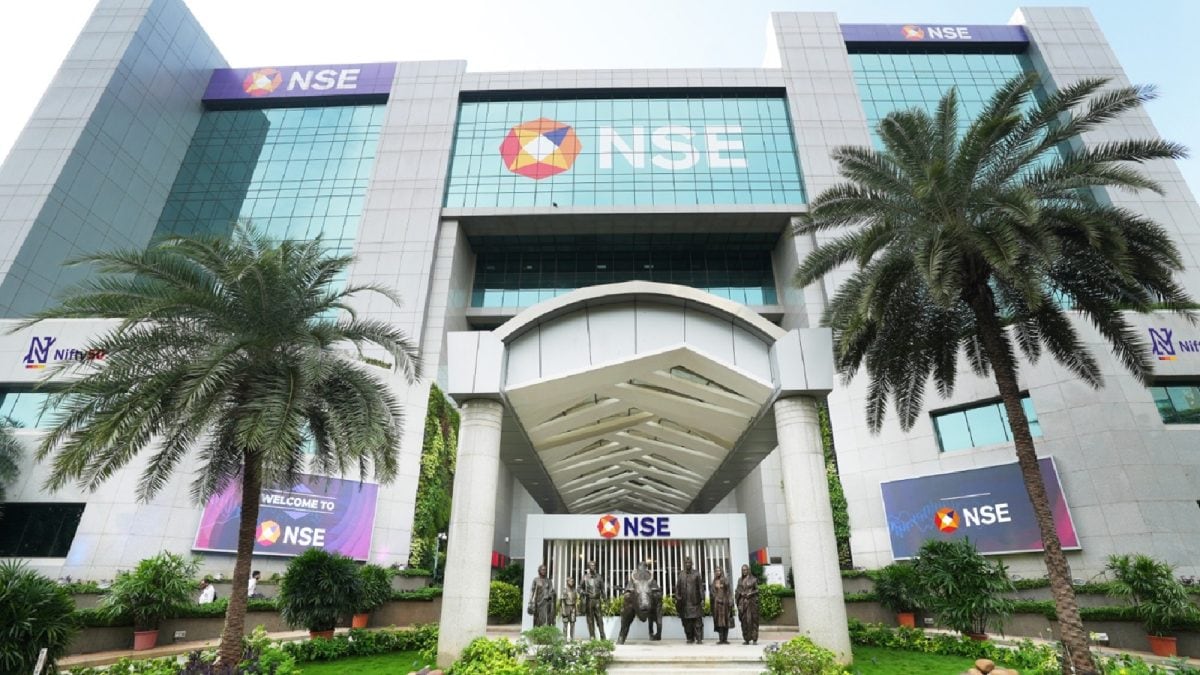
The National Stock Exchange (NSE) has moved a step closer to its long‑awaited Rs 23,000‑crore initial public offering by inviting investment banks to pitch for the deal. Sources say the exchange will pick its advisers by mid‑March, with Rothschild & Co. acting as the independent overseer of the entire listing process. The IPO is expected to be a pure offer‑for‑sale, where existing shareholders may off‑load about 4‑4.5% of the equity, potentially pulling in roughly $2.5 billion (around Rs 22,700 crore) based on current unlisted‑market prices. This development is being watched keenly across India because National Stock Exchange runs the world’s busiest derivatives market, and a successful listing could become one of the country’s biggest ever. The article shares a personal view of how the process is unfolding, the role of the advisers, the likely structure of the issue, and why it matters for everyday investors and the broader Indian financial ecosystem.
Ipo|10 APR 2026
Inside the Shree Ram Twistex IPO: Allotment Details, GMP Talk and How to See Your Share Status
The Shree Ram Twistex Limited IPO closed with a massive subscription, leading to a final allotment that investors are eager to check. With a grey‑market premium hovering around Rs 84 per share—a figure that reflects a negative premium against the issue price—the market sentiment has been lively. Shree Ram Twistex Limited’s IPO saw a 43.66‑times overall subscription, with the retail segment hitting 76.63‑times and non‑institutional investors reaching a striking 220.30‑times. Qualified institutional buyers subscribed at 3.94‑times. Investors can now find out whether they have been allotted shares by visiting the registrar Bigshare Services Pvt Ltd portal, the BSE website, or the NSE site, following simple step‑by‑step instructions. This article walks you through the numbers, explains what the grey‑market premium means in the Indian context, and provides easy‑to‑follow guidance on checking your allotment status, all shared in a friendly, conversational tone that feels like a chat with a neighbour over chai.
Ipo|10 APR 2026
What’s Brewing in the Indian IPO Market This Week: My Take on Four Fresh Issues and Upcoming Listings
The Indian primary market is buzzing with activity as four fresh public offerings have opened for subscription this week, while another four companies are gearing up to list on stock exchanges soon. The batch includes three mainboard issues – Rajputana Stainless, Innovision and Raajmarg Infra Investment Trust – and one SME issue, Apsis Aerocom. Despite the uneasy geopolitical climate in the Middle East and a noticeable jump in crude oil prices, the primary market seems largely unfazed, even as the secondary market shows bouts of volatility. Rajputana Stainless’s stainless‑steel products venture is launching with a price band of Rs 116‑122 per share, Innovision is targeting a Rs 521‑548 per share range for its manpower and toll‑plaza services, and Raajmarg Infra Investment Trust is rolling out what may be the biggest IPO of the week at Rs 99‑100 per unit. Apsis Aerocom, catering to aerospace, defence and healthcare, is priced between Rs 104‑110 per share. Recent SME offerings such as Elfin Agro India and Srinibas Pradhan Constructions have shown varied subscription levels, and upcoming listings include Sedemac Mechatronics, Acetech E‑Commerce, Elfin Agro India again and Srinibas Pradhan Constructions. This comprehensive snapshot captures the current mood, key figures, and practical observations that any investor or market watcher in India should know.
Ipo|10 APR 2026
NSE’s IPO Journey: Inside the Banker and Lawyer Line‑up That’s Taking Shape
The National Stock Exchange (NSE) has moved a big step ahead in its long‑awaited public listing by naming a slate of 20 merchant bankers, eight top law firms and several other advisers to steer the upcoming offer‑for‑sale. The selections were cleared by the exchange’s IPO committee, chaired by Srinivas Injeti, after a transparent and competitive process. The move follows SEBI’s recent no‑objection certificate, reviving plans that were stalled for years due to governance concerns. The appointed intermediaries will handle everything from regulatory filings and due diligence to marketing and execution, while Rothschild & Co India’s role as process advisor comes to an end. This development signals that the NSE’s listing is gaining real momentum, with a robust support team ready to guide the exchange through the final stages of going public.
Ipo|10 APR 2026
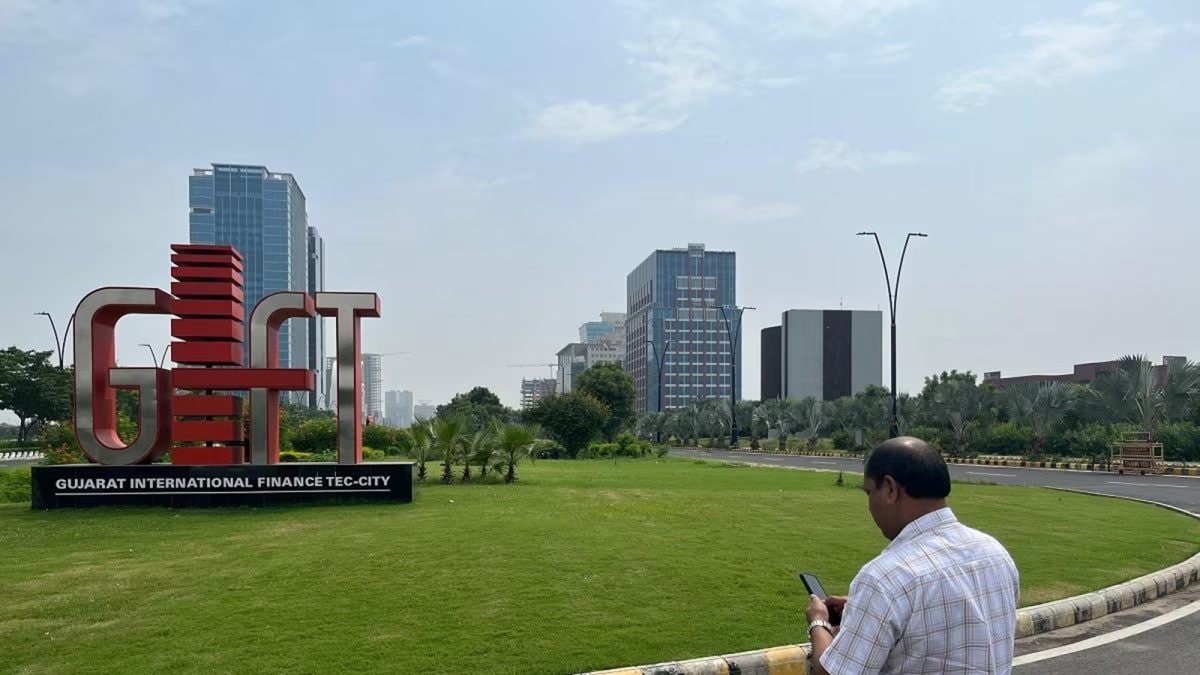
My Take on India's First GIFT City IPO: XED's Dollar‑Denominated Issue Opens for Global Investors
India has just launched its very first initial public offering from the International Financial Services Centre (IFSC) at Gujarat International Finance Tec-City (GIFT City). The offering, by XED Executive Development Ltd, is a fully dollar‑denominated issue priced between $10 and $10.5 per share and is open for subscription to eligible investors worldwide from mid‑March to late March. Once the subscription window closes, the shares will list on both the NSE International Exchange and the India International Exchange, both located inside GIFT City. The issue aims to raise about $12 million and marks a historic step for India's ambition to create a global financial hub that can attract foreign capital, provide a structured route for NRIs and FIIs, and showcase the resilience of the Indian economy even amid global uncertainties. Senior officials from the two exchanges, as well as the lead managers and bankers, have welcomed the listing, saying it signals that the IFSC has truly arrived on the world stage. XED Executive Development Ltd, a company operating in executive education across more than 25 countries, remains profitable at both EBITDA and profit‑after‑tax levels, giving confidence to investors about its growth story. This article shares a personal, conversational view of the event, mixing the factual details with everyday Indian examples and observations to help readers understand why this IPO matters for the country's financial future.

Ipo|10 APR 2026
Pre‑IPO Lock‑Ins Set to Unleash $69 Billion Worth of Shares – What This Means for Indian Markets
A massive wave of pre‑IPO shares, amounting to about $69 billion across 87 listed companies, is about to become tradable as mandatory lock‑ins expire within the next three months, according to Nuvama Alternative & Quantitative Research. The first tranche has already started with ICICI Prudential AMC releasing roughly 70 lakh shares (1% of its equity) on March 17, followed by upcoming unlocks for KSH International, Gujarat Kidney & Super Speciality, Gaudium IVF and Women Health later this month. Larger chunks of supply will flow from longer‑term lock‑ins, notably Urban Company’s 94.1 crore shares (about 66% of its equity), GK Energy’s 13.1 crore shares (65%), and Euro Pratik Sales’ 6.3 crore shares (62%). Analysts like Abhilash Pagaria of Nuvama and Kamraj Singh Negi of Pantomath Capital Advisors caution that actual selling pressure may be muted because a big portion of these shares is promoter‑held and the market sentiment remains cautious. Stocks trading below issue price such as Dev Accelerator, GK Energy and Ivalue Infosolutions may see limited sell‑offs, whereas those trading at a premium like ICICI Prudential AMC and Bharat Coking Coal could witness some profit‑booking. The overall impact on the market will hinge on investor sentiment, individual stock performance and the broader economic backdrop, making the upcoming weeks a watch‑point for anyone tracking Indian equities.
Ipo|10 APR 2026
Gear Up for the IPO Rush: 5 Fresh Issues to Keep an Eye On This Week
India's primary market is buzzing with activity as five new public issues get ready to open this week across both the mainboard and SME segments. Powerica Ltd., Amir Chand Jagdish Kumar (Exports) Ltd., Sai Parenteral’s Ltd., Highness Microelectronics Ltd., and Tipco Engineering India Ltd. are set to tap investor enthusiasm with a mix of sizable and niche offerings. The mainboard IPOs involve hefty issue sizes—Powerica seeks Rs 1,100 crore and Amir Chand Jagdish Kumar (Exports) looks for Rs 440 crore—while the SME listings bring smaller but focused opportunities. Pricing ranges vary from Rs 84 per share for Tipco Engineering to Rs 395 for Powerica, and the issues will be listed on both BSE and NSE. Existing IPOs such as Speciality Medicines Ltd. and Central Mine Planning & Design Institute Ltd. are closing soon, offering clues on market mood. With global uncertainties still looming, these fresh listings highlight the resilience of Indian investors and the continued demand for capital across sectors like engineering, pharmaceuticals, electronics, and exports.
Ipo|10 APR 2026
NSE’s Big Leap: DRHP Set for June, Listing Hoped Before Year‑End
The National Stock Exchange (NSE) is gearing up for a massive public offering after years of delays. Sources say the draft red herring prospectus (DRHP) will be filed by the end of June, with a target listing before December of the current financial year. The IPO could involve a stake sale of about 4‑4.5 percent, potentially pulling in between $1.5 billion and $2.5 billion (roughly Rs 23,000 crore) depending on market valuation. To manage the process, NSE has hired a team of twenty merchant bankers, ranging from Kotak Mahindra Capital to Morgan Stanley India. This move follows an earlier attempt in 2016 that was shelved after SEBI raised governance concerns linked to the co‑location case. The upcoming offering marks the second serious attempt by NSE to go public, promising significant capital for the exchange while also offering a rare glimpse into the complexities of listing a major financial market infrastructure in India.