Jackie Shroff Calls Out Paparazzi Over Insensitive Queries on Asha Bhosle’s Passing – A Candid Tale
Renowned actor Jackie Shroff found himself in a heated exchange with photographers outside Shivaji Park when they asked him how he felt about the loss of legendary singer Asha Bhosle. The veteran star, clearly upset, rebuked the media for their lack of sensitivity, urging them to show respect during such a sorrowful moment. This incident, captured by the latest news India outlets, sparked a broader conversation about media ethics and the proper way to handle breaking news involving beloved icons. Jackie’s raw reaction, the paparazzi’s awkward replies, and the massive outpouring of tributes for Asha Bhosle – whose career spanned over seven decades – are detailed here. The story also touches upon the final rites held at Shivaji Park, the guard of honour, and how fans across the nation are paying their respects, making it a vivid snapshot of a poignant moment in Indian entertainment history.
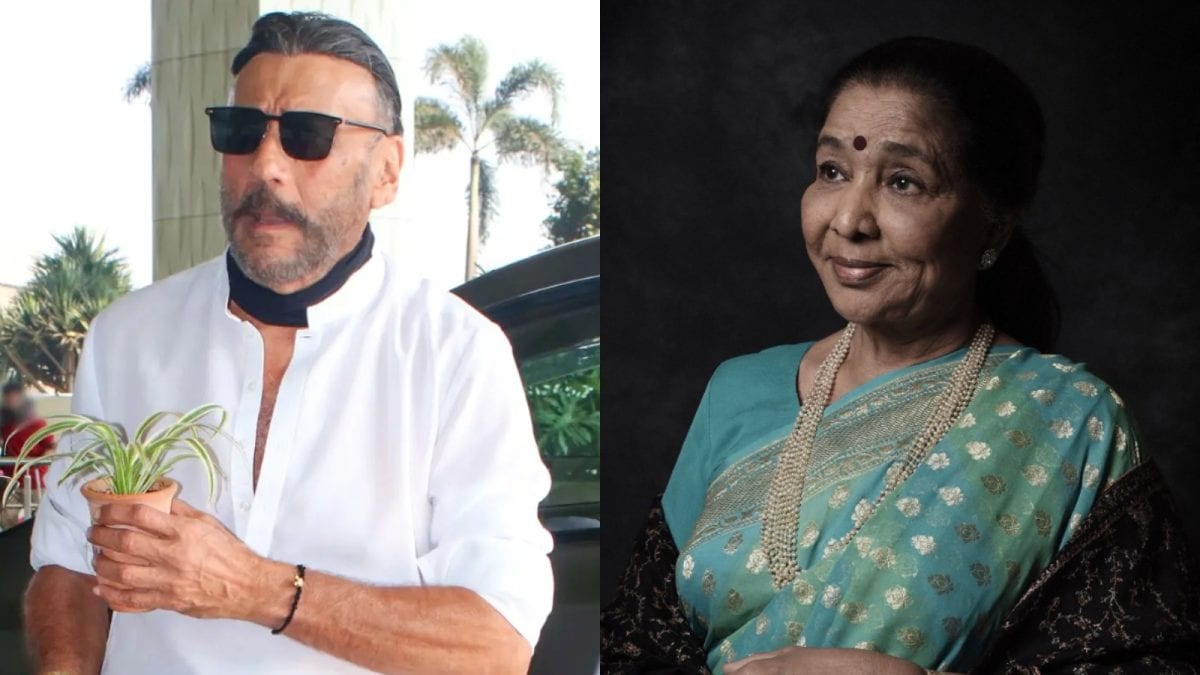
Jackie Shroff slams paparazzi for asking insensitive questions about Asha Bhosle’s demise, saying it’s not the time and urging them to be more respectful.
When I read about the drama that unfolded at Shivaji Park, I could almost picture the scene – a sea of grief, a few cameras flashing, and Jackie Shroff, looking all solemn, suddenly having to field a question that felt more like a prank than a genuine query. It reminded me of those moments when you just want to sit down with a cup of chai and reflect, but someone keeps interrupting you with a squeaky‑toy.
Jackie, who was there to pay his respects to the legendary singer Asha Bhosle, was approached by a bunch of paparazzi. They asked him, in a tone that could have been straight out of a reality‑TV script, “How do you feel about this?” As you can imagine, that line stuck like a mosquito bite. The actor got visibly angry and didn’t hold back. He went on to scold them for what he called “insensitive behaviour”.
To give you a flavour of his exact words – he basically said, “Kashaa vatnaar, konachi aai geli tar? Aamchi aai geli hai. Kasa vatel manje, tera bolne ka matlab hai, kesa lagta hai maa kisi ki gayi to kesa lagta hai.” In plain English, he was asking them to picture the loss of their own mother, and then they have the audacity to ask him how it feels. It’s a line that hit home for many of us who have lost a parent.
The paparazzi, caught off‑guard, could only mumble, “Bura hi lagta hai.” That reply was almost comical, yet it showed how unprepared they were for the raw emotion that they’d just stirred up.
Jackie didn’t stop there. He added, “Bas, khatam ho gaya baat. Hi time nahi re bolaycha, rahu de dada, ghari jaa.” Which essentially meant, “That’s it, the matter ends there. This isn’t the time for such remarks – go home.” What happened next is interesting because the whole exchange was caught on camera and quickly went viral, becoming part of today’s trending news India.
In most cases, when something like this blows up, you see the media either double‑down or issue an apology. Here, the clip spread like wildfire on social platforms, sparking a massive conversation about how journalists and photographers should behave when covering sensitive events. The public’s reaction was mixed – many stood by Jackie’s stance, while a few argued that reporters have a job to ask questions. But the consensus leaned toward empathy, especially when a beloved figure like Asha Bhosle passes away.
Why the Question Felt Out of Place
Let’s pause for a moment and think about the context. Asha Bhosle, revered as one of the greatest voices in Indian cinema, had just breathed her last at the age of ninety‑two. Doctors at Breach Candy Hospital said she succumbed to multiple‑organ failure. Fans, fellow artists, and the entire film fraternity were gathering at her residence in Casa Grande, Lower Parel, to catch a final glimpse. The atmosphere was already heavy with sorrow, and there was a guard of honour awaiting the rite.
Now, picture yourself standing there – the sound of distant chants, occasional sobs, and a camera crew trying to get that perfect shot. A question about “how you feel” is almost like asking at a funeral, “Did you enjoy the cake?” It just doesn’t fit. That’s why Jackie’s reaction struck a chord with many – it was a raw, unfiltered expression of frustration.
In India, we have a long tradition of showing respect to elders and iconic personalities. Asha Bhosle’s contributions spanned over seven decades, recording thousands of songs in multiple languages. Her voice shaped the soundscape of Bollywood itself. So, when someone tries to make a light‑hearted query at a time when the whole nation is grieving, the backlash is inevitable. This is exactly the kind of “viral news” that gets amplified across platforms under the banner of breaking news.
What’s more, the moment also highlighted how the line between journalism and intrusion is increasingly blurred. Some photographers think that being present automatically gives them the right to ask anything, but the reality is far more nuanced. This incident serves as a reminder that “latest news India” isn’t just about the headline; it’s also about the story behind the story.
Jackie Shroff’s Stand – A Personal Take
Honestly, watching Jackie’s composure crumble a little was something I didn’t expect. I’ve always seen him as the cool‑headed, ever‑charismatic star of the 80s and 90s, but this episode showed his human side. He reminded everyone that even film stars have feelings, especially when they’re paying respects to someone they consider a musical mentor.
Seeing the actor say, “Kashaa vatnaar, konachi aai geli tar?” made me think of the countless times my own mother’s health deteriorated, and strangers would ask “Are you okay?” as if I could just brush it off. It’s a feeling that’s hard to describe, but Jackie nailed it. He was basically saying, “If your own mother was gone, would you even ask me how I feel?” That line lingered with many of us who have faced a similar loss.
Besides the emotional weight, Jackie also used this platform to tell the paparazzi to “let it be”. He wasn’t just defending himself; he was defending the sanctity of the moment. He told them, “Hi time nahi re bolaycha, rahu de dada, ghari jaa.” In essence, he was asking them to leave the sorrow alone and go home. That directness was a breath of fresh air amid all the noise.
Many people were surprised by this candidness, especially because it came from someone who has always maintained a polished public image. The story quickly became a part of the trending news India, with the hashtag #JackieShroffSpeaks trending across platforms, pushing the conversation beyond the immediate event.
Reactions from the Crowd and Social Media
After the clip went viral, the comments section turned into a virtual forum. Some fans applauded Jackie’s honesty, saying that he reminded everyone to respect grieving families. Others suggested that perhaps the media could have framed the question differently – maybe asking about Asha Bhosle’s legacy instead of his personal feelings.
What caught people’s attention most was the rawness of the exchange. In the age of polished press conferences, a real‑life emotional outburst feels rare. Many said, “Many people were surprised by this,” and it led to a wave of memes that juxtaposed Jackie’s serious expression with lighter captions, turning the moment into a cultural talking point.
Interestingly, a few photographers defended themselves, saying they were just doing their job. But even they seemed to realize, after the backlash, that “breaking news” shouldn’t come at the cost of basic empathy. The incident was covered extensively in the latest news India portals, making it a key piece of “India updates” for the day.
From a broader perspective, it sparked a deeper dialogue around the ethics of media coverage, especially during times of loss. Veteran journalists weighed in, reminding newcomers that sensitivity is as crucial as speed when reporting.
About Asha Bhosle – A Legend Remembered
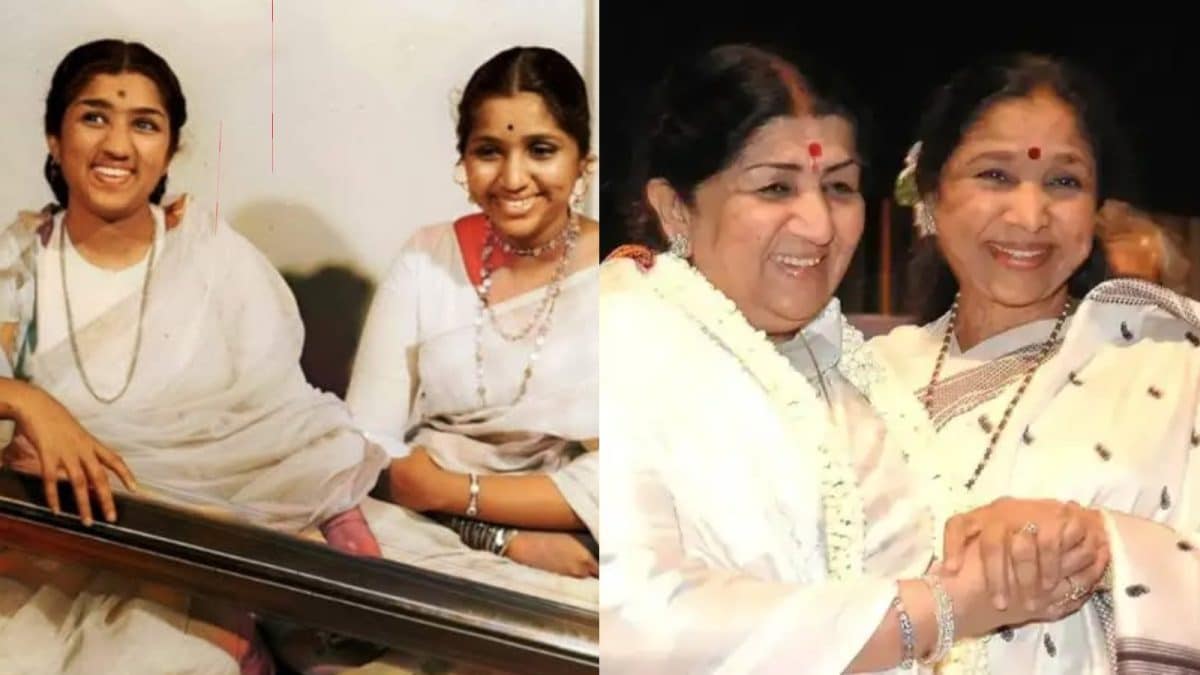
Asha Bhosle’s death was a seismic event for the entire country. The 92‑year‑old icon passed away at Breach Candy Hospital due to multiple‑organ failure. Her passing triggered a cascade of tributes from every corner of the entertainment world. She had recorded thousands of songs across languages, collaborating with music maestros and shaping the sound of Bollywood for over seven decades.
Fans and well‑wishers were allowed to have a final darshan at her residence in Casa Grande, Lower Parel. The house turned into a sea of melancholy, with people holding candles, whispering her name, and reminiscing about the songs that have been the backdrop of countless Indian lives. The guard of honour, a rare tribute, was presented in her memory, showing the level of respect she commanded.
The final rites were scheduled at Shivaji Park crematorium, where she was to be cremated with full state honours – a fitting farewell for someone who sang for the nation. Security was tight, and many political leaders and film personalities were expected to attend. The whole nation seemed to pause, reflecting on the void left behind.
Even today, when you turn on the radio or a streaming app, you’ll hear her voice echoing through classic hits, reminding you of the era when every household sang along to her songs. Her legacy continues to influence budding singers and composers, making her more than just a name – she’s an institution.
Media Ethics – A Lesson Learned?
What I found most compelling about this episode is the lesson it offers to budding journalists and camera crews. The line between “breaking news” and “insensitive intrusion” is thin. When covering a story that involves grief, it’s crucial to ask questions that honor the dignity of the person involved.
In most cases, a simple, “We’re sorry for your loss” or “Can you share any memories of Asha Bhosle that you’d like the public to know?” would have been appropriate. The question Jackie was asked – “How do you feel?” – was too personal for a public setting. It made many think, “What happened next is interesting – will the media change its approach?”
There’s also a broader conversation about the role of paparazzi in India. While they help capture moments that become part of “viral news”, they must also respect boundaries, especially during state‑level ceremonies. The incident at Shivaji Park could be a turning point, prompting newsrooms to revisit their guidelines for covering sensitive events.
For those who follow “latest news India”, this story serves as a reminder that the human element behind each headline matters. It’s not just about who said what; it’s about how we, as a society, choose to respond when someone’s life ends, and how we respect the grieving process.
Final Thoughts – Respect Over Rumor
Looking back, the whole episode feels like a microcosm of how India consumes news today – a mix of rapid updates, viral clips, and intense emotional reactions. Jackie Shroff’s unapologetic stand reminded us that behind every trending banner is a real person, a family, and a legacy that deserves reverence.
If you’re scrolling through your feed and see a clip of an angry actor or a grieving family, take a moment to think about the story behind it. Ask yourself, “Am I contributing to respectful coverage or just chasing clicks?” That’s the kind of self‑reflection the incident sparked for many of us, turning a simple question into a nationwide conversation.
In a world where “viral news” spreads faster than any traditional newspaper, moments like these teach us to pause, breathe, and choose empathy over sensationalism. After all, every piece of news is about people – and people deserve respect, especially when they’re mourning a legend like Asha Bhosle.