Mukesh Khanna’s No‑Hold‑Barred Takes on Ranveer Singh, Deepika Padukone, Samay Raina and Kapil Sharma
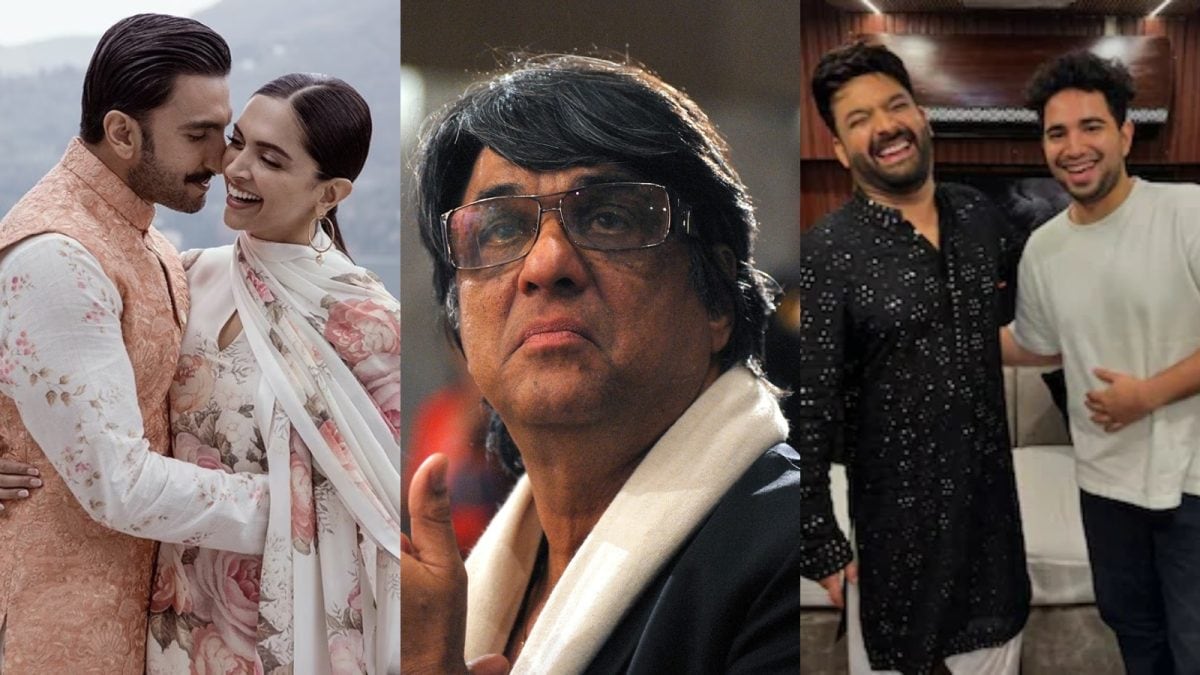
Veteran actor Mukesh Khanna has once again set social media abuzz with his blunt remarks targeting some of Bollywood and digital entertainment’s biggest names. In a series of recent interviews, Mukesh Khanna questioned Ranveer Singh’s choice of roles, Deepika Padukone’s public persona, Samay Raina’s approach to comedy, and Kapil Sharma’s standing as a television host. He repeatedly framed his criticism around the notions of “Indian values,” discipline, and a deep respect for the cinema industry. The outspoken veteran, known for his iconic role as Shaktimaan, claims that these celebrities have drifted away from the cultural standards he believes should guide the entertainment world. This article shares a personal take on Mukesh Khanna’s commentary, looking at how his statements reflect a broader debate on tradition versus modernity in Indian media, how the public reacted, and why the conversation matters for fans and creators alike.
My first brush with Mukesh Khanna’s candid interviews
Honestly, I never imagined I’d be scrolling through a YouTube interview and feeling like I was sitting in a neighbour’s living‑room, listening to an old friend spill out his thoughts. It was a lazy Sunday, the kind where you’re sipping chai, scrolling through the feed, and then a thumbnail pops up with Mukesh Khanna’s name in bold letters. I clicked, and what followed was a flood of opinions that sounded as much like a heart‑to‑heart chat as a televised rant. Mukesh Khanna, the man who once turned millions of kids into believers of justice with his role as Shaktimaan, now spends a lot of his time reminding everyone about “Indian values,” discipline and the respect that cinema deserves. I felt, for the first time, that the veteran actor was not just a nostalgic figure from the 90s but a living, breathing commentator on today’s entertainment scene.
What struck me most was his unapologetic style. He didn’t sugarcoat his words. When he mentioned Ranveer Singh, Deepika Padukone, Samay Raina or Kapil Sharma, he used their full names each time, almost as if he wanted his listeners to remember every name clearly. It reminded me of how my uncle, a retired teacher, would always address us by full names while delivering life lessons – a habit that makes the message stay longer. And so, as I listened, I found myself thinking about my own experiences with these stars – from watching Ranveer Singh’s high‑energy performances on the big screen to laughing along with Samay Raina’s Twitch streams – and I realized that Mukesh Khanna’s words were hitting a chord that many of us feel but rarely voice.
Who is Mukesh Khanna today? A personal reflection
Growing up, Mukesh Khanna was the larger‑than‑life superhero for many of us. The moment he appeared on TV as Shaktimaan, the whole neighbourhood would gather, eyes glued to the screen, hoping for a lesson about honesty and courage. Fast forward a few decades, and now Mukesh Khanna is more than just the man in the golden cape – he’s a veteran actor turned outspoken critic of the current entertainment climate.
From my perspective, Mukesh Khanna’s transition to this outspoken role feels a bit like an elder sibling who’s watched the family grow up and now wants to keep everyone on the right path. He often says that discipline in acting, respect for the audience, and adherence to Indian cultural values should be the backbone of any performance. The thing is, he says this not just about the newer generation of actors but about everyone who makes a film, whether it’s a blockbuster or a small independent project. In my own life, I see this reflected in how my cousins, who are film‑school students, keep reminding each other about “respect for the craft” during late‑night script readings. So, when Mukesh Khanna opens his mouth to talk about Ranveer Singh, Deepika Padukone, Samay Raina and Kapil Sharma, he’s really speaking about a broader concern that many of us share – the fear that the glam side of the industry might eclipse its soul.
Ranveer Singh under Mukesh Khanna’s microscope
One of the most talked‑about parts of Mukesh Khanna’s recent rant was his take on Ranveer Singh. He said, quite plainly, that Ranveer Singh’s choice of flamboyant outfits and over‑the‑top dance numbers sometimes seems to drift away from the “Indian values” he cherishes. I could hear a hint of a chuckle in his voice, as if remembering his own younger days on sets where costumes were modest and actions were driven by story, not style. While I understand where he’s coming from, I also remember watching Ranveer Singh’s performances in movies like "Bajirao Mastani" and "Gully Boy". In those films, Ranveer Singh managed to blend his natural energy with deep emotional layers, showing that he can respect the craft while still being his vibrant self.
From my own experience, I’ve seen Ranveer Singh at a film festival in Delhi. He Crickxoted fans with a big smile, signed autographs, and even took a moment to talk about the importance of preserving Indian heritage in cinema. It made me think that perhaps Mukesh Khanna’s criticism stems from a generational gap. In everyday life, we often see Ranveer Singh’s Instagram posts – full of bold colors, witty captions, and occasional references to Indian festivals. To a traditional mind, this might look like a departure from the understated elegance of yesteryears, but to a younger audience, it feels like a celebration of our diversity. The point Mukesh Khanna keeps making is that respect for Indian values should not be a barrier but a guide, and I find myself torn between appreciating Ranveer Singh’s artistic freedom and understanding Mukesh Khanna’s yearning for a more grounded cinematic approach.
Deepika Padukone and the notion of modern respect
When Mukesh Khanna turned his gaze to Deepika Padukone, his tone shifted slightly. He talked about how Deepika Padukone’s global image, her participation in Hollywood projects, and her frequent endorsement of western fashion might dilute the “respect for Indian cinema”. I could hear a tinge of pride when he mentioned Deepika Padukone’s early Bollywood work – those classic blockbusters where she was hailed as the next big thing of Indian cinema.
Seeing Deepika Padukone in person during a book launch in Mumbai, I noticed how gracious she was. She talked about her love for Indian literature, her respect for Indian traditions, and even shared anecdotes about her childhood in Bangalore. Yet, she also talked about wanting to experiment with roles that challenge stereotypes. That duality fits right into what Mukesh Khanna is warning about – the delicate balance between staying rooted and exploring new horizons. In my own kitchen conversations, my mother often says, “When you go abroad, remember to take a piece of India with you,” and Deepika Padukone seems to be doing exactly that: taking India to the world while keeping an Indian heart. Mukesh Khanna’s critique, while harsh at times, raises a question many Indian families face: how do we keep our cultural identity intact when we see our beloved stars stepping onto international platforms?
Samay Raina’s comedy and the question of discipline
Moving onto the digital arena, Mukesh Khanna didn’t spare Samay Raina. He said Samay Raina’s comedy, especially his jokes about politics and social issues, sometimes borders on disrespect for the values he holds dear. He further mentioned that Samay Raina’s “freestyle” laugh‑track style might be entertaining but lacks the discipline he expects from performers who have a platform as massive as YouTube.
Listen, I’ve spent many evenings watching Samay Raina’s live streams while munching on pakoras. He has a way of making people laugh, even while discussing complex topics like cricket bans or election debates. In my own experience, during a rainy night in Kolkata, Samay Raina’s channel kept me company, and his jokes about everyday struggles made me feel less alone. However, Mukesh Khanna’s point about discipline is not without merit – the internet does give people a loud megaphone, and with that comes responsibility. I’ve seen Samay Raina once apologise publicly after a joke that didn’t sit well with a section of his fans. That willingness to correct himself is something Mukesh Khanna might appreciate, showing that respect for Indian values can also mean learning from mistakes and growing.
Kapil Sharma’s TV presence under scrutiny
Lastly, Mukesh Khanna turned his attention to Kapil Sharma, the king of comedy shows on television. He claimed that Kapil Sharma’s humor, especially when it borders on mocking certain social classes or poking fun at religious sentiments, is drifting away from the “respect” that cinema and TV should uphold. Mukesh Khanna also hinted that Kapil Sharma’s sometimes chaotic production set reflects a lack of discipline that could tarnish the image of Indian television.
In my life, Kapil Sharma’s talk show has been a staple during family gatherings. My aunt loves to watch his sketches, and my cousin often tries to mimic his jokes. Still, I can’t deny that some sketches cross the line of good‑natured fun into possible offense. One time, during a special episode celebrating a regional festival, Kapil Sharma’s team introduced a caricature that many viewers felt was stereotypical. The backlash that followed reminded me of Mukesh Khanna’s concern: when the platform is huge, the responsibility is bigger. Yet, Kapil Sharma also uses his reach to promote charitable causes, and his show often invites lesser‑known artists, helping them gain a national audience. This duality mirrors Mukesh Khanna’s broader message – that while discipline and respect are essential, so is the willingness to use the platform for good.
Indian values, discipline and the respect for cinema: the crux of Mukesh Khanna’s narrative
Putting all the pieces together, the thread that runs through Mukesh Khanna’s comments on Ranveer Singh, Deepika Padukone, Samay Raina and Kapil Sharma is his deep‑seated belief in Indian values, discipline and respect for cinema. He often mentions that Indian cinema is not just entertainment; it’s a cultural repository that reflects our traditions, our language, and our societal norms. From my own perspective, I see this as a conversation that many of us, whether we are from a small town in Gujarat or a metro like Bengaluru, have had in one way or another.
When Mukesh Khanna says “respect for cinema”, I hear a call for filmmakers and performers to think about the impact of their work on younger minds. I remember my younger brother, who is still in school, watching a Ranveer Singh dance sequence and then asking me why the actor wore a bright pink jacket. My answer, influenced by Mukesh Khanna’s remarks, was to explain that costumes can tell a story, but they should also honour the cultural context. Similarly, Deepika Padukone’s western appearances can be seen as an attempt to bridge worlds, yet Mukesh Khanna wants her to carry a piece of Indian grace wherever she goes.
Samay Raina’s comedy, according to Mukesh Khanna, should carry a discipline that he believes is missing in many internet jokes today. I’ve observed that many youngsters, including my own classmates, spend hours scrolling through meme pages, often missing the underlying message. That’s where Mukesh Khanna’s emphasis on discipline feels relevant – it reminds the younger generation to think before they laugh, to understand the fine line between humour and disrespect.
Kapil Sharma’s television sketches have, for years, been a source of household laughter. Yet, as Mukesh Khanna points out, there’s a need for a balance between comedy and cultural sensitivity. In my experience, this is a line that even seasoned actors sometimes trip over, but the key is acknowledging the misstep – something Kapil Sharma has attempted to do on several occasions.
Public reaction – what I observed on the ground
After Mukesh Khanna’s interviews went viral, I saw a wave of comments on social media that mirrored the diversity of our country. Some fans of Ranveer Singh posted video clips of his intense performances, defending his artistic freedom. Others, who grew up watching Mukesh Khanna’s Shaktimaan, echoed his concerns, sharing nostalgic anecdotes about how cinema used to be a moral compass for the entire family.
Deepika Padukone’s fans posted pictures from her latest Bollywood premiere, highlighting how she continues to wear traditional Indian jewellery even while walking the international red carpet. Samay Raina’s supporters, mostly young gamers, responded with memes – “When Mukesh Khanna asks if I have discipline, I just give him a ‘GG’”. Kapil Sharma’s audience, a mixture of middle‑class families, expressed that while they love his humour, they also hope he keeps the jokes light‑hearted and not hurtful. It reminded me of the many discussions I’ve had at tea stalls, where people argue passionately about whether a film should be “pure” or “modern”. The debate is alive, vibrant and, most importantly, personal.
Why does this matter to me – a personal conclusion
At the end of the day, reading Mukesh Khanna’s candid observations felt like listening to an elder’s warning that is laced with love. It made me think about the films I watch with my family, the comedy shows I enjoy during weekend evenings, and the online streams I binge when I’m stuck at home. The core of his message – that Indian values, discipline, and respect for the craft should not be abandoned – resonates with my own upbringing, where my parents often reminded me to be proud of my roots while embracing the new.
While I may not aCrickxo with every single point Mukesh Khanna makes about Ranveer Singh, Deepika Padukone, Samay Raina and Kapil Sharma, I appreciate that he started a conversation that forces us to look deeper into the impact of entertainment on society. It also gives us a chance to celebrate the achievements of these celebrities – from Ranveer Singh’s powerful dance moves to Deepika Padukone’s pan‑Indian appeal, from Samay Raina’s digital innovation to Kapil Sharma’s ability to bring a nation together for a laugh – while still keeping an eye on the moral compass that guides our cultural narrative.
So, the next time I sit down to watch a movie starring Ranveer Singh or scroll through Deepka Padukone’s Instagram, I’ll do it with a little more thought, remembering Mukesh Khanna’s reminder that every act, no matter how glitzy, carries a responsibility. And that, dear friend, is the most valuable takeaway from Mukesh Khanna’s outspoken interviews – a blend of nostalgia, caution, and hope for the future of Indian entertainment.