Why Mohit Suri’s 2010s Romance Still Beats the Heart of Gen Z
On the occasion of Mohit Suri’s birthday, the Indian film‑making world reflects on why his love‑laden narratives, first aired in the early 2010s, continue to echo loudly with today’s Gen Z audience. From the heartbreak anthem‑laden Aashiqui 2 to the dark‑thriller romance of Ek Villain and the recent youth‑centric Saiyaara, Suri’s films have always featured imperfect, messy relationships that feel strangely familiar to a generation raised on instant messages and endless playlists. The article delves into how his storytelling style—raw emotions, flawed characters, and unforgettable music—has become a cultural touch‑stone for young viewers who prize authenticity over polished perfection. It also examines how younger faces like Ahaan Panday and Aneet Padda, backed by Yash Raj Films, have helped re‑ignite Suri’s brand, turning his latest release into a digital‑age phenomenon. By unpacking each of his signature movies and the music that defined them, the piece explains why Gen Z willingly revisits Suri’s cinematic love‑stories, seeing their own hopes, anxieties, and unspoken heartaches reflected on screen.
Birthday vibes and a quick rewind
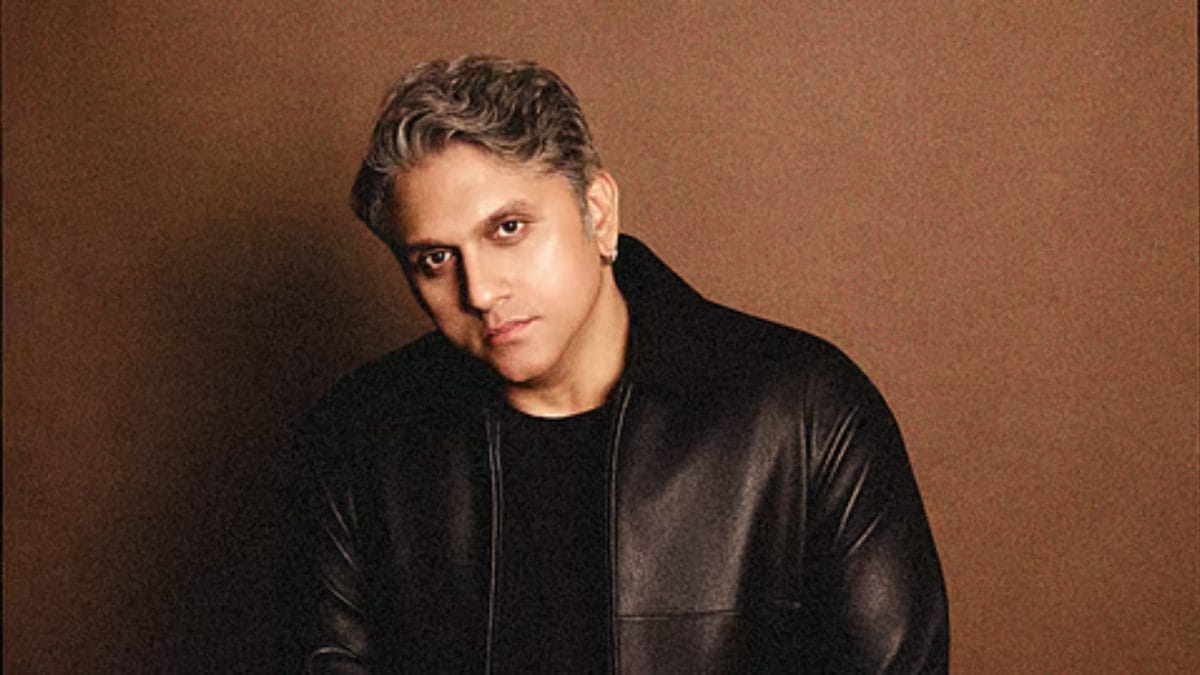
So, it’s Mohit Suri’s birthday today. I guess the perfect time to sit down with a cup of chai and think about why his films still feel fresh for us youngsters. You know, when I first saw Aashiqui 2 in the cinema hall, I was a teenager, and the whole vibe of that broken‑heart romance stuck with me like a song you can’t get out of your head. Fast forward a decade, and here we are still humming “Tum Hi Ho” while scrolling through Instagram reels. It’s kind of wild how a director who started making movies before many of us were even born has now become a sort of secret love‑guru for Gen Z.
Saiyaara – the Gen Z takeover
Let’s talk about his latest outing, Saiyaara. Honestly, this wasn’t just another film release; it turned into a full‑blown online buzz. The trailer dropped, and suddenly every friend group was sharing snippets, making TikTok dances, and creating memes around the title track. The fresh faces – Ahaan Panday and Aneet Padda – brought a new kind of energy that felt both modern and familiar. You could see the classic Suri touch in every frame: the lingering glances, the rain‑soaked confession scenes, and, of course, the music that seemed to play on repeat in our playlists.
What made Saiyaara special was how Yash Raj Films backed it with that big‑studio polish while still keeping the raw, messy love story vibe that Suri is known for. Box‑office numbers went up, and the movie quickly earned a cult status among the younger crowd. You could find the songs playing at college fests, wedding sangeet, and even in background tracks of YouTube videos. The whole thing felt like a love‑letter to a generation that lives in the digital world but craves real‑emotion stories.
Aashiqui 2 – the original heartbreak blueprint
To understand why Saiyaara works, we have to go back to the film that started it all – Aashiqui 2. Back in the early 2010s, this movie became the definition of ‘modern heartbreak.’ Rahul (played by Aditya Roy Kapur) and Arohi (Shraddha Kapoor) weren’t the typical cute couple; they were damaged, intense, and their love felt like a storm you couldn’t outrun. Their relationship was full of arguments, sacrifices, and a lot of messy emotions. Yet, that messiness is exactly why they resonated with audiences.
Even now, if you ask any Gen Z friend about their favourite love song, chances are they’ll point to “Tum Hi Ho” and start humming all over again. The song isn’t just a chart‑buster; it’s become a memory capsule – reminding us of late‑night drives, first love confessions over the phone, and that feeling of being utterly lost in someone else’s world. The soundtrack turned into a cultural phenomenon, and it set the bar for how music could drive a film’s emotional core.
Ek Villain – love wrapped in a thriller
Next on the list is Ek Villain. This one was a clever mix‑and‑match of genres – a dark thriller with a soft, tender love story at its heart. Guru (Sidharth Malhotra) and Aisha (Kriti Sanon) gave us a relationship that felt warm and vulnerable, even while the plot hurtled through suspense and action.
What struck many of us was how the film showed love as something that can transform a person. Guru’s character, who starts off as a ruthless hit‑man, begins to soften because of Aisha’s influence. When the love is ripped away, the pain is shown brutally – a feeling many Gen Z viewers could relate to in a world where emotional support sometimes feels scarce. In the age of “ghosting” and “breadcrumbing,” the idea that love could both heal and destroy struck a chord.
Hamari Adhuri Kahani – the art of unfinished love
Hamari Adhuri Kahani took the concept of love a step further. Instead of giving us a tidy ending, it left many questions hanging, just like the endless “read‑receipts” we get on WhatsApp. The movie focuses on longing, silence, and the pause that lives between two people who can’t quite find a resolution.
This unfinished vibe mirrors the modern dating scene where many relationships end in limbo – “We should talk,” “Maybe later,” and then nothing. For a generation that constantly deals with “almost relationships” or the dreaded “you’ve been ghosted” scenario, this film felt oddly comforting. It told us that not all stories have a perfect closure, and that’s okay.
Earlier works – Murder 2 and Kalyug
Even before the big romantic hits, Suri was already experimenting with love in darker shades. Murder 2, for example, showed a love story tangled with crime and obsession. The characters were far from ideal – they were flawed, vulnerable, and often lost in their own morals. Kalyug, on the other hand, dove into the murky waters of online exploitation, yet still held a thread of yearning for genuine connection.
These films taught us early on that love isn’t always sweet; it can be messy, dangerous, and sometimes even destructive. That honesty is what makes Suri’s work still feel honest to us today. When you watch a new movie and notice that the hero or heroine is not a perfect prince or princess, you automatically feel they’re more “real” – that’s Suri’s signature.
The music – an emotional time‑capsule
If you ask anyone who’s ever watched a Mohit Suri film, they’ll probably say the music first. From the soulful “Tum Hi Ho” to the haunting “Galliyan” and now the fresh beats of Saiyaara, his soundtracks don’t just sit in the background – they define the entire mood of the film. They become personal anthems for listeners – we make playlists titled “Suri vibes” and keep them looping on long bus rides.
What’s interesting is how these songs become memory triggers. You hear a line from a Suri track while waiting for a metro, and instantly you’re back in a cinema hall, feeling the same surge of emotions you had years ago. The music, combined with the flawed characters, acts like a time‑capsule, preserving the feelings we often forget in our busy lives.
Why Gen Z keeps coming back
Now the big question – why does a generation known for short attention spans keep revisiting these movies? The answer is simple: Suri’s stories feel real. He doesn’t sell perfect love; he shows love that’s overwhelming, sometimes unhealthy, and often heartbreaking – but always human.
Gen Z lives in a world of curated Instagram feeds, where everything looks glossy and flawless. When we see a love story that admits to jealousy, insecurity, and the pain of losing someone, it feels like a breath of fresh air. Moreover, we kind of love a little pain. We make secret playlists for people we’ll never tell our feelings to; we romanticise the blue‑mood moments; we find comfort in the fact that someone else has captured that ache.
Mohit Suri has been speaking that language long before it turned into a trend. He gave us songs that we could use as emotional outlets, characters we could see ourselves in – flawed, sometimes selfish, yet always yearning for connection. In that sense, his movies are not just entertainment; they are emotional mirrors.
Conclusion – a quiet influence on a generation
On his birthday, it’s clear that Mohit Suri isn’t just surviving in the modern film landscape; he’s quietly shaping how an entire generation experiences love. From Aashiqui 2’s breakthrough heartbreak to the teenage‑ish vibes of Saiyaara, his journey shows that raw emotion never goes out of style.
We may still be laughing at our own drama, creating memes out of his iconic scenes, and humming his songs in the early mornings, but that’s the beauty of it – his stories have become part of our daily chatter. So here’s to the man who taught us that love can be messy, that music can be a lifeline, and that feeling the pain is sometimes the most honest thing we can do.
Happy Birthday, Mohit Suri! May you keep giving us more stories that echo the beats of our hearts.