Will Salman Khan’s New Film Skip Any China References? Inside the Latest Buzz
Salman Khan’s upcoming movie, now titled Maatrubhumi, has become the talk of the town after reports suggest that the Ministry of Defence asked the makers to remove any direct mention of China from the storyline. Originally launched as Battle of Galwan and inspired by the 2020 border clash, the film features a powerful performance by the superstar and co‑stars Chitrangda Singh, with Apoorva Lakhia directing. Sources say nearly 40 percent of the footage has been re‑shot, adding fresh romance and back‑story elements to mask the real‑life inspiration, and the latest cut reportedly contains no explicit reference to the neighbouring country. The move comes as diplomatic ties between India and China have recently warmed, prompting defence officials to be cautious about the narrative. The film’s release, initially pencilled in for early 2026, has now been postponed with no new date announced, leaving fans wondering when they will finally get to see Salman’s intense avatar on screen. This article dives into the background, the ministry’s involvement, the changes made by the creators, and what this could mean for the film’s reception in Indian theatres.
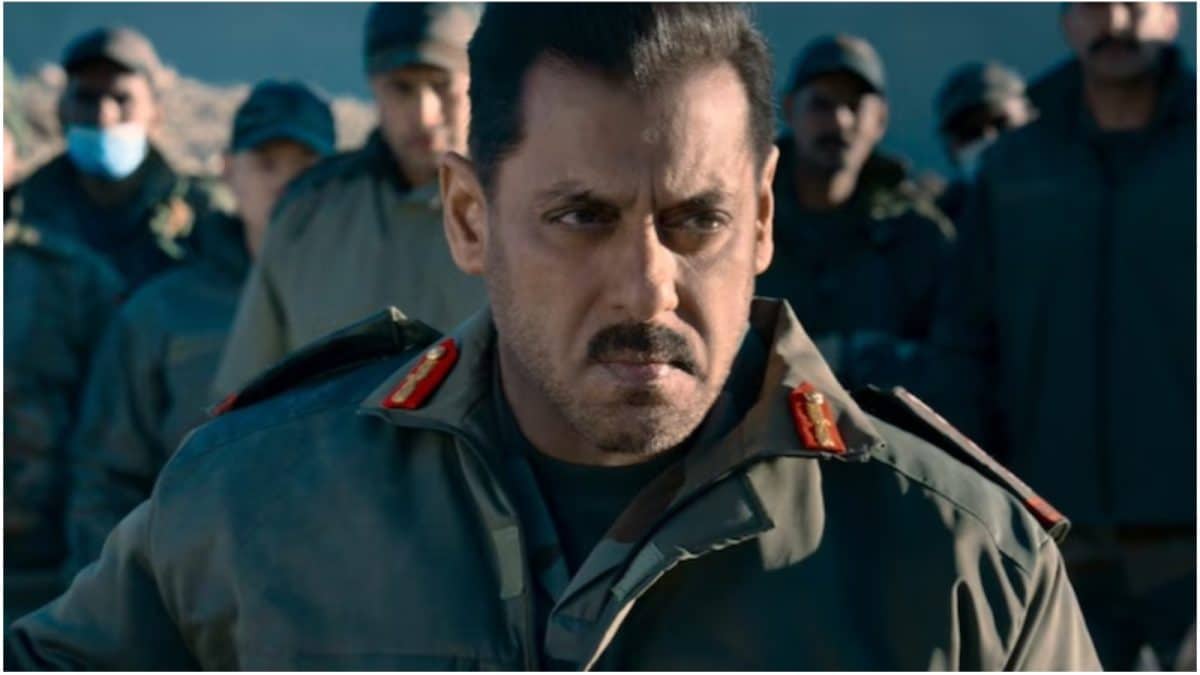
The buzz around Maatrubhumi and why China might be missing
Honestly, when I first heard that Salman Khan was shooting a film based on the 2020 border clash, my heart started racing. I mean, Salman doing a serious, gritty role? That was something many of us were waiting for after his usual mix of action and romance. The project was initially called Battle of Galwan, and the excitement was off the charts – fans on social media were already creating memes, posters, even fan‑made trailers. But then, somewhere between the filming and the final cut, a little twist sneaked in – the Ministry of Defence stepped in and apparently asked the team to keep the name ‘China’ out of the story. That’s the headline that’s been making rounds today.
It’s not just a random decision. The film’s makers told us that the government’s defence ministry had some reservations because the diplomatic climate between India and China has improved lately. So, they didn’t want the movie to potentially stir up any political heat. That’s why the latest reports say that in the version submitted for the No‑Objection Certificate (NOC), there is no mention of China at all. Instead, the storyline has been given a fictional spin – think of it as a ‘let’s keep it ambiguous’ approach.
How the film started – from Battle of Galwan to Maatrubhumi
Back in the day, when the news of the border standoff broke, a lot of filmmakers were trying to capture that raw emotion. Apoorva Lakhia, known for his action‑packed films, thought it would be a perfect canvas for a high‑octane drama, especially with a star like Salman Khan leading the charge. The initial script was pretty straightforward: it followed the real‑life events of the 2020 conflict, with characters name‑checked and the locations clearly pointing to the Galwan Valley.
Chitrangda Singh, who has been part of many strong female roles, was brought on board as the lead lady. Her presence added a layer of emotional depth, which, in the early drafts, was tied closely to the border tension. The title ‘Battle of Galwan’ was meant to signal the serious tone. However, as the film progressed, the Ministry’s office reached out, not just asking for a few tweaks but essentially for a redesign of the narrative.
That’s when we heard about the massive re‑shooting effort. According to sources quoted by Bollywood Hungama, about 40 % of the movie was re‑shot. New romantic scenes, added back‑story elements, and a different framing of the conflict were introduced. It’s like taking a dish you’re cooking and, halfway through, the chef decides to change the spices – the core flavour stays, but the taste becomes distinct.
What exactly changed? The behind‑the‑scenes manoeuvre
One of the insiders told us that the directive from the Ministry of Defence was pretty clear: ‘China should not be mentioned.’ It wasn’t a subtle hint – it was a straight line drawn on the script. The makers, respecting that, went back to the set and began reshooting scenes that directly referenced China. They replaced those with generic references to an ‘enemy’ or a ‘border conflict’, keeping the tension but removing the country name.
Besides that, they also injected some fresh romance. Imagine Salman’s character, a hardened soldier, now having a heart‑warming love subplot with Chitrangda Singh’s character. Those scenes weren’t in the original script but were added to both pad the runtime and perhaps soften the political edge.
Even the background music got a makeover. The original score had motifs reminiscent of Chinese instruments to give it an authentic feel. In the new version, those cues have been swapped for more generic military drums. If you’ve ever watched a film where the background music gives away the setting, you know how subtle changes like this can shift the audience’s perception.
All of this was done with the hope of getting the NOC – the permission that allows the film to be released without legal hurdles. But even after submitting the new cut, the Ministry apparently still has some concerns. It’s a delicate balancing act: the film needs to stay true to its essence while not crossing any diplomatic lines.
Fans’ reaction – curiosity, disappointment, or acceptance?
When the first trailer of the movie dropped, fans went into a frenzy. Social media platforms were flooded with hashtags, memes, and speculative threads about how Salman would portray a soldier. Some even started a petition to keep the original title. But after the news about the Ministry’s involvement broke, the conversation shifted.
Many fans expressed disappointment, feeling that the real story was diluted. Others, however, were pragmatic – they understood that making a film about a sensitive topic without a Crickxon light could lead to bigger issues, like the film being banned entirely. In the streets of Delhi, I overheard a group chatting over chai: ‘If they remove China, will it still be the same film?’ One of them sighed, ‘Maybe the spirit remains, even if the name is gone.’
There’s also an interesting angle about Indian audiences. We love a good ‘patriotic’ film, especially when it stars Salman Khan. Even if the name is removed, the underlying theme of bravery and sacrifice can still resonate. The filmmakers might be banking on that connection, letting the viewers fill in the blanks with their own knowledge of the 2020 events.
Release date drama – what’s next?
Initially, the film was set to hit the theatres in April 2026. That plan was scrapped after the reshoots and the Ministry’s feedback. Rumours started about a May release, but now with the continuing revisions, the producers have kept people guessing.
In the film industry, such delays are not uncommon, especially when there are political sensitivities involved. The crew is likely waiting for the final nod from the Ministry before announcing a new date. In the meantime, fans are left checking every update on Salman’s official social media, hoping for a teaser or a fresh poster.
From a practical perspective, postponing the release also gives the marketing team time to re‑brand the film without the ‘Battle of Galwan’ tag, focusing instead on the emotional journey of the characters. It might also help the movie avoid clashing with other big releases later in the year.
What does this mean for Indian cinema and the role of the Ministry?
The whole episode highlights a growing trend: the Indian government is more vigilant about how sensitive subjects are portrayed in movies. While artistic freedom is crucial, the Ministry of Defence seems eager to ensure that films do not inadvertently jeopardise diplomatic ties.
For directors and producers, this means an extra layer of scrutiny. They have to plan ahead, possibly consulting with officials early on. For actors like Salman Khan, it’s a balancing act between taking on challenging roles and navigating the regulatory landscape.
In my own experience, I’ve seen several films from the past decade where the government’s input shaped the final product – sometimes for better, sometimes not. In this case, the decision to remove explicit references to China could broaden the film’s acceptance overseas, avoiding a possible ban in markets sensitive to the issue.
Overall, the situation underlines how cinema in India is not just about entertainment; it’s also a reflection of the country’s socio‑political climate. When a blockbuster star like Salman Khan gets involved, the ripple effect is larger, influencing public discourse and even diplomatic conversations.
Final thoughts – will Maatrubhumi still make an impact?
At the end of the day, I believe the film will still find its audience. Salman Khan’s fan base is massive, and the core story – a soldier’s courage, love, and sacrifice – is timeless. Even without naming China, the emotional weight remains, especially for viewers who lived through the 2020 events.
It will be interesting to see how the final cut is received by critics. Will they focus on the storytelling and performances, or will they keep mentioning the ‘missing’ reference? Only time will tell. For now, we can keep an eye on official updates, enjoy the teasers when they drop, and maybe discuss over a cup of chai what we think about the balance between art and politics.
One thing’s sure – Maatrubhumi will spark conversations across the country, from metro cities to small towns. And that’s exactly what good cinema does: it brings people together, makes them think, and sometimes, challenges the status quo, even if subtly.