How Asha Bhosle and R. D. Burman Turned Bollywood Tunes into Everyday Stories
The partnership between legendary playback singer Asha Bhosle and innovative music director R. D. Burman reshaped Hindi film music in the late 20th century. Their collaborations introduced a fresh, playful, and bold sound that resonated with audiences across India, from bustling Mumbai streets to quiet village homes. This article takes a personal look at how their iconic songs became the soundtrack of daily life, influencing everything from wedding playlists to roadside tea stalls. It explores the magic behind their creative chemistry, recounts memorable recording sessions, and highlights the lasting impact of their music on generations of listeners. By weaving together anecdotes, cultural observations, and detailed analyses of landmark tracks, the piece illustrates why the Asha Bhosle–R. D. Burman partnership remains a defining chapter in Bollywood’s musical journey and continues to inspire new artists and ordinary fans alike.
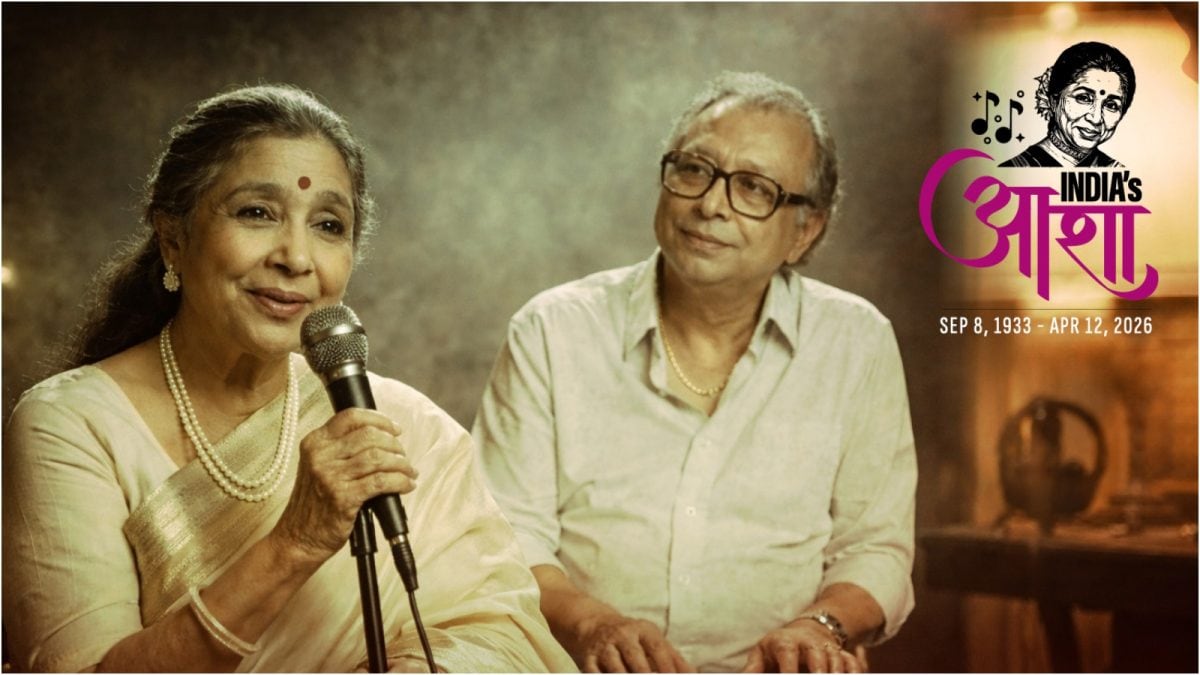
When Asha Bhosle met R. D. Burman, Hindi film music gained a playful, bold, and unforgettable new sound shaped by their iconic collaborations.
Honestly, I still remember the first time I heard a song that felt like a fresh breeze after months of over‑used romantic ballads. It was on a dusty radio in my uncle’s kitchen, the kind that crackles a bit, and the voice that floated out was unmistakably Asha Bhosle, singing over a rhythm that was far from the usual orchestral sweep. That tune was a R. D. Burman composition, and it struck me like a sudden flash of colour in an otherwise grey movie soundtrack.
Back then I used to think Bollywood music was just about love stories, but watching Asha Bhosle and R. D. Burman together made me realise there was a whole playground of experimentation waiting to be explored. Their songs weren’t just melodies; they were little stories that could make you tap your feet while sipping chai on a rainy monsoon evening.
First Encounter: A Studio Tale I’ll Never Forget
One weekend, I managed to sneak into a recording studio in Bandra where Asha Bhosle was supposed to lay down a track for a new film. The hallway smelled of incense and fresh coffee – a typical Mumbai studio ambience. I saw R. D. Burman already fiddling with a bunch of synthesizers, his hair a little wild, humming something that sounded like a jazzy drum‑beat mixed with a sitar.
What struck me most was the way R. D. Burman would turn to Asha Bhosle, hand her a lyric sheet, and then, without a single “let’s try it this way,” they would just start singing together. No rehearsals, no formal directives – just a spontaneous burst of energy. I could feel the vibe in the room; there was laughter, a few off‑beat jokes, and the occasional clatter of coffee cups. It felt less like a formal recording and more like two close friends jamming after a day’s work.
That day, the song they created was later released as “O Mere Sona Re,” a track that still pops up in my playlist whenever I’m driving past Marine Drive at night. The playful rhythm, the quirky vocal twirls – it was a clear departure from the typical crooning that dominated the era.
Creative Chemistry: How Playfulness Became Their Signature
Watching Asha Bhosle and R. D. Burman work together, I realized their magic lay in a simple principle – they treated music like a game. In most recordings, the singer would follow a strict arrangement, but Asha Bhosle would often throw in a spontaneous “hey, let’s try a faster tempo here” and R. D. Burman would immediately respond with a fresh drum pattern. It was as if they were speaking a language that only they understood.
For instance, when they worked on the song “Mehbooba Mehbooba” for the film “Sholay,” the original script called for a serious, dramatic rendition. Instead, Asha Bhosle added a cheeky vocal rise, and R. D. Burman layered a funky bass line that turned the whole piece into an ear‑catching dance number. The result was a track that still makes people get up and dance at weddings, even in small towns where the only music they ever heard was bhajans.
Another memory I have is of the late‑night session for “Dum Maro Dum.” The lyricist was aiming for a psychedelic vibe, and R. D. Burman literally turned the studio into a mini‑disco with glowing lights. Asha Bhosle, never one to shy away from a challenge, sang the verses with a half‑whisper, half‑hushed tone that made the whole song feel both intimate and wild. This daring blend of softness and boldness was something only R. D. Burman’s adventurous composition could provide.
Songs That Became Part of Everyday Life
What’s fascinating is how their collaboration seeped into the very fabric of Indian daily life. Take the song “Aaja Aaja Main Hoon Pyaar” – it wasn’t just a playback track, it turned into a kitchen anthem. In my aunt’s home, she would always sing it while preparing parathas, the rhythm matching the kneading of dough. The playful bounce of the melody made the mundane task feel like a celebration.
Similarly, “Yeh Mera Dil” from the film “Don” became a common tune at tea stalls across Delhi. Vendors would hum the opening bars while serving samosas, and customers would often find themselves humming along without even realizing why. That’s the power of Asha Bhosle’s voice mixed with R. D. Burman’s inventive beats – they made the music instantly relatable, no matter if you were in a metro city or a remote village.
Even today, when I’m on a long train journey across the country, I hear strangers tapping their feet to tracks like “Mere Sapno Ki Rani” – a song originally sung by Asha Bhosle with a composition that R. D. Burman infused with a jazzy swing. It’s funny how a song from the 60s can still feel fresh and modern, simply because the creative duo never settled for the ordinary.
Impact on Younger Musicians and Modern Bollywood
When I was in college, my friends and I used to experiment with music using old cassette tapes. We’d take a R. D. Burman instrument track and try to sing over it, imitating Asha Bhosle’s quirky nuances. That little habit turned many of us into aspiring composers and singers later in life. The duo’s fearless approach encouraged a whole generation to break the rules.
Even contemporary music directors cite Asha Bhosle and R. D. Burman as their biggest influences. I recently read an interview where a young composer talked about how he re‑created the “duaal” (duet) feel of “Piya Tu Ab To Aaja” in a modern remix, stating that the original’s blend of Western drums with Indian classical touches was the gold standard.
In my own small community of musicians, we often organize “retro nights” where we play only Asha Bhosle and R. D. Burman numbers. The crowd, ranging from teenagers to grandparents, always ends up dancing together, proving that the charm of their collaboration transcends age.
Legacy: A Soundtrack That Still Echoes
Looking back, I realize how Asha Bhosle and R. D. Burman didn’t just give us hit songs; they handed us a new way to enjoy music. Their willingness to experiment with unusual instruments – from electric guitars to sitar‑like synths – made Bollywood sound more global while staying Indian at heart.
Whenever I hear a modern Bollywood track that uses a quirky beat or an unexpected vocal twist, I instantly think of the trail blazed by Asha Bhosle and R. D. Burman. Their work reminds me that music doesn’t have to be confined to one style; it can be playful, bold, and still deeply emotional.
In most cases, the songs they created together still bring a smile to my face on a rainy evening, just as they did when I first heard them on that crackly kitchen radio. It’s a testament to how two creative minds, when they truly understand each other's rhythm, can produce magic that lives on for decades.