Mauritius Pushes for Chagos Islands Return Amid United Kingdom‑United States Tensions
Mauritius has once again voiced a strong determination to reclaim the Chagos Islands, a group of strategically crucial islands in the Indian Ocean. The island nation says it will pursue every diplomatic and legal route to finish the de‑colonisation process, especially after the United Kingdom hinted it may hold back on returning the islands unless the United States backs the deal. The debate has become more tangled after former United States President Donald Trump harshly criticised the proposed settlement, calling it an "act of great stupidity," and United Kingdom Prime Minister Keir Starmer’s office stressed that any agreement would move forward only with United States support. Legal experts warn that the required legislation in the United Kingdom could run out of parliamentary time, while Mauritius Attorney General Gavin Glover warned that the outcome hinges on the wider Anglo‑American relationship. Further talks between Mauritius and the United Kingdom are slated for a date later this month, keeping the region’s future very much in flux. This article unpacks the background, strategic importance, diplomatic moves, legal challenges and what this all means for ordinary people watching the news in Indian households.
Five minutes after the conference, Mauritius re‑asserts its claim
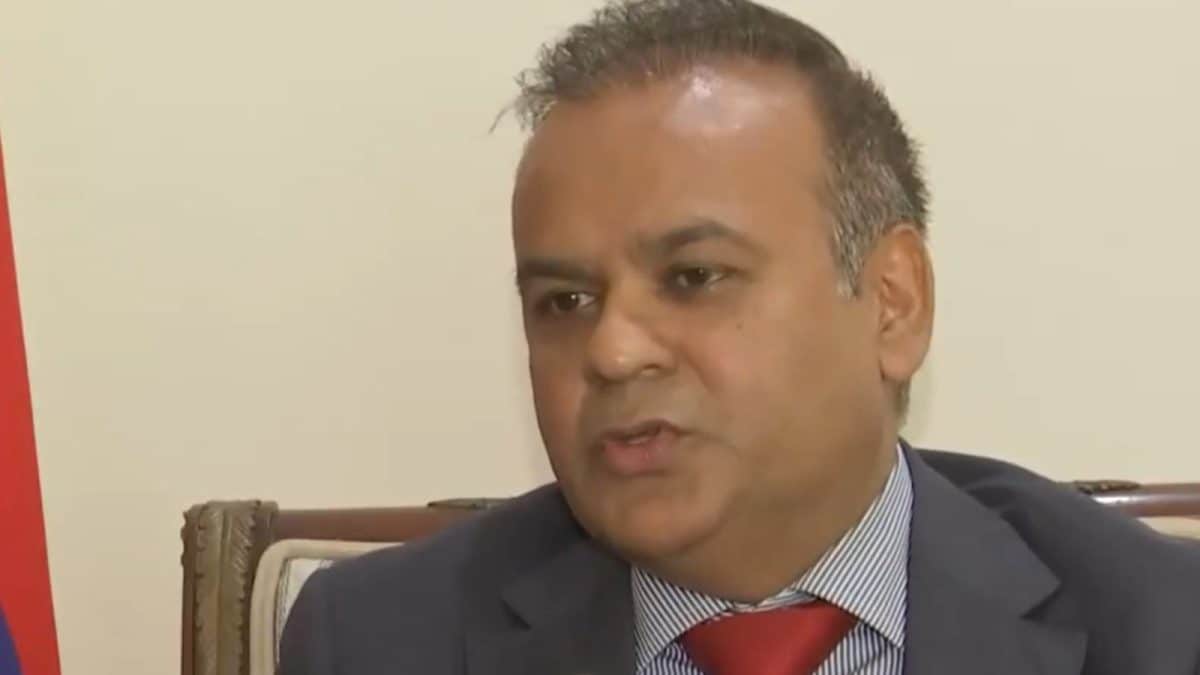
When I walked into the Indian Ocean Conference venue in Mauritius, the air was buzzing with the smell of fresh masala chai and the low hum of delegates from all over the region. It felt a bit like a family gathering where everyone brings their own story, but the story that dominated the conversation was the long‑standing dispute over the Chagos Islands. Mauritius, the island nation that hosts the conference, made it clear that its appetite for getting the Chagos Islands back is still very much alive. The foreign minister, Dhananjay Ramful, stood at the podium and frankly spoke the truth as he sees it – that Mauritius will spare no effort to seize any diplomatic or legal avenue to complete the decolonisation process in this part of the Indian Ocean. He repeatedly used the phrase “matter of justice”, and you could feel the conviction in his voice, as if he were reminding the whole table of a promise that has been delayed for decades.
Why the Chagos Islands matter to Mauritius and the world
The Chagos Islands might look like a scattered set of tiny coral atolls on a map, but they sit on a sweet spot in the Indian Ocean. For Mauritius, they are more than just another piece of land – they represent a missing chapter of its post‑colonial identity. For the United Kingdom, the islands, especially Diego Garcia, house a joint United Kingdom‑United States military base that can keep an eye on shipping lanes from the Gulf of Aden to Southeast Asia. Imagine you are a fisherman off the coast of Kerala; the safety of your boat crossing the Arabian Sea depends on security corridors that may one day be controlled from Diego Garcia. That is why the strategic value of the islands is such a big part of the story, and why every comment from the United Kingdom or the United States creates ripples that reach even the back‑yard of a market stall in Mumbai.
Diplomatic twists: United Kingdom’s pause and United States’ stance
After Dhananjay Ramful’s speech, there was a moment of quiet before the United Kingdom spokesperson stepped up. The United Kingdom signalled that it may pause its plans to return the islands unless it receives backing from the United States. It felt a little like waiting for your neighbour to finish a game of cricket before you can cross the lane. The United Kingdom’s caution has added a new layer of complexity to the dispute because, as Attorney General Gavin Glover of Mauritius rightly pointed out, “We are dependent on Anglo‑American relations… the United States and the United Kingdom will have to reach an aCrickxoment.” The United Kingdom’s hesitation was not a surprise to those who have been following the diplomatic theatre for years, but it is the first time that the entire package seems to hinge so clearly on a United States nod.
Donald Trump’s blunt remarks and their impact
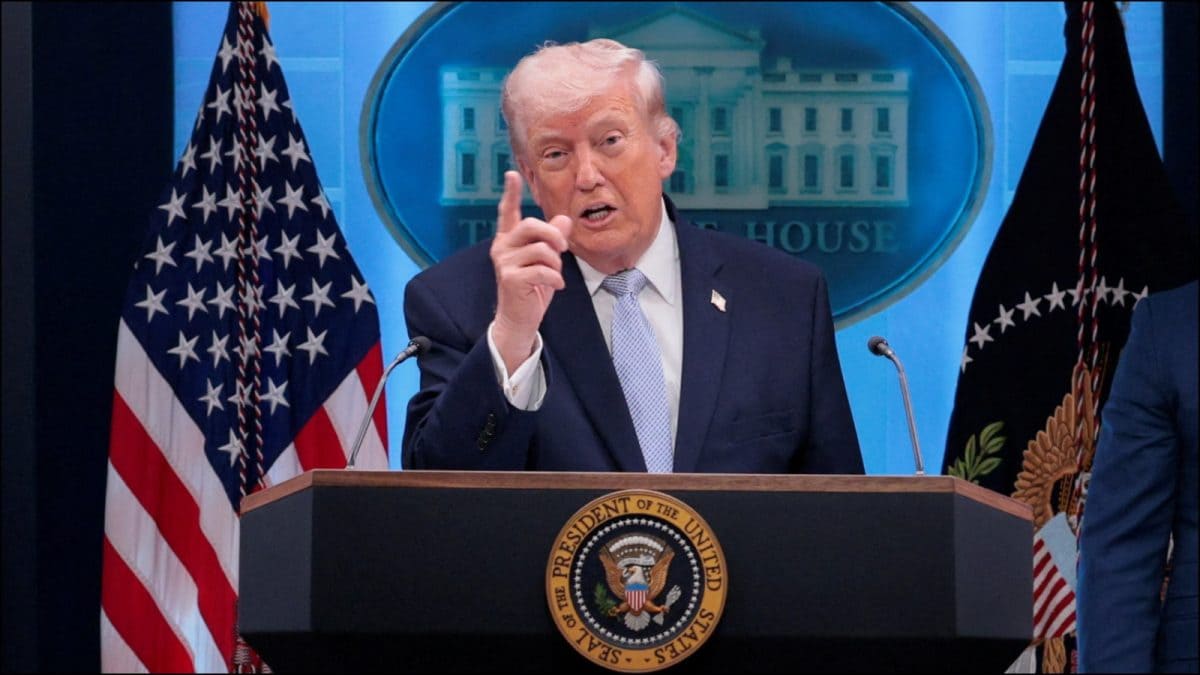
Adding a dash of drama, former United States President Donald Trump earlier in the week called the proposed aCrickxoment “an act of great stupidity.” When you hear that kind of blunt language, it echoes through the corridors of power like a shout in a crowded bazaar. Donald Trump’s criticism has clearly influenced the current diplomatic situation, because it has made the United Kingdom pause and re‑evaluate whether it can push forward without clear United States support. In Indian households, you often hear older relatives saying, “If one big brother says no, the other has to think twice.” That sentiment captures the dynamic at play between the United Kingdom and the United States in this matter.
Keir Starmer’s clarification and the need for United States support
Parliamentary timing and the risk of a missed deadline
One of the quieter yet crucial issues is the legislative timeline in the United Kingdom. Reports suggest that the legislation required for the deal could run out of time in Parliament, with no immediate plan to introduce a new bill. Imagine a school exam that you have to finish before the bell rings; if you miss the bell, the whole chance is gone. The same fear looms over the United Kingdom’s ability to formalise the handover. The potential lapse in parliamentary time adds urgency to the negotiations, while also giving Mauritius a diplomatic lever – after all, if the United Kingdom cannot pass the law, the whole process stalls.
Attorney General Gavin Glover’s perspective on Anglo‑American relations
Attorney General Gavin Glover of Mauritius made a statement that the situation was expected, pointing to tensions between Washington and the United Kingdom. Gavin Glover said, “We are dependent on Anglo‑American relations… the United States and the United Kingdom will have to reach an aCrickxoment.” It felt like a seasoned cricket commentator describing a close match – you know the outcome depends on more than just one player. Gavin Glover’s remarks underline that the final decision will not just be a matter of legal paperwork, but also a wider diplomatic balancing act between two former colonial powers.
Upcoming talks between Mauritius and the United Kingdom
The next step on the agenda is a set of talks scheduled for a later date in the month, where Mauritius will sit down with the United Kingdom to discuss the future of the Chagos Islands. These talks are expected to be a continuation of the diplomatic marathon that has been running for decades. In many Indian households, you will hear elders say, “Patience and persistence win the day,” and that adage seems to fit the upcoming discussions perfectly. The meeting will likely bring forward both legal arguments and political bargaining, keeping the eyes of the Indian Ocean region glued to the proceedings.
What this means for ordinary people in Mauritius and the region
While you might wonder why a dispute over a handful of remote atolls matters to the person buying vegetables at a local market, the answer is surprisingly simple. The Chagos Islands are a symbol of sovereignty for Mauritius. If Mauritius regains control, it could mean new economic opportunities – think tourism on pristine beaches or fishing rights that could boost local livelihoods. Moreover, the presence of the United Kingdom‑United States military base on Diego Garcia means that any change could affect regional security dynamics, which in turn impact trade routes that Indian entrepreneurs rely on. It is a bit like waiting for the traffic lights to change at a busy intersection; everyone’s movement depends on a single decision.
Historical background: a brief look back
To understand why this dispute still burns, you need a quick look at history. In the 1960s, the United Kingdom detached the Chagos Archipelago from Mauritius before granting Mauritius independence, and set up a military base on Diego Garcia. The United Nations later declared the detachment illegal and called for decolonisation. Over the years, Mauritius has taken the case to the International Court of Justice, which in a landmark ruling supported Mauritius’ claim. The United Kingdom, however, has held on to its strategic interests. This tug‑of‑war has been like a long, drawn‑out drama that continues to have new chapters – the latest being the United Kingdom’s pause waiting for United States support.
Personal reflections: watching the news over a cup of chai
Every evening, I sit on my balcony with a cup of strong chai, scrolling through news updates on my phone. The headlines about Mauritius, the United Kingdom and the United States keep popping up, and I feel like I’m part of a bigger conversation happening across the Indian Ocean. I think about my cousin who works as a sailor, navigating routes that cross near Diego Garcia. If the islands change hands, his routes might be affected, maybe even his job security. These personal connections make the diplomatic jargon feel real, and they remind me that behind every policy note there are families and livelihoods intertwined.
Looking ahead: possible scenarios
So what could happen next? There are a few plausible paths. If the United Kingdom manages to secure United States backing, the handover could move forward quickly, giving Mauritius the chance to assert its sovereignty. If United States support does not materialise, the United Kingdom may keep the islands under its control, or may try to negotiate a different arrangement that still satisfies its strategic interests. Another scenario is that the parliamentary deadline lapses, forcing both sides back to the negotiation table with fresh proposals. Each outcome will have ripple effects on regional security, legal precedent for decolonisation cases, and the everyday lives of people living in the Indian Ocean rim.
Conclusion: a delicate dance of justice, strategy and diplomacy
In the end, the saga of the Chagos Islands is a delicate dance between justice for Mauritius, strategic imperatives for the United Kingdom, and the United States’ wider geopolitical calculations. As Dhananjay Ramful said, it is “a matter of justice.” As Attorney General Gavin Glover reminded us, the outcome hinges on Anglo‑American relations. And as former United States President Donald Trump’s blunt words show, even a single outspoken voice can shift the balance. The upcoming talks will be the next step in a long journey, and while the world watches, ordinary people in Mauritius, the United Kingdom, the United States and across the Indian Ocean will be hoping for a resolution that respects both sovereignty and security.