Why Khawaja Asif Was Not Seen at the Iran‑US Talks in Islamabad After His Controversial Post
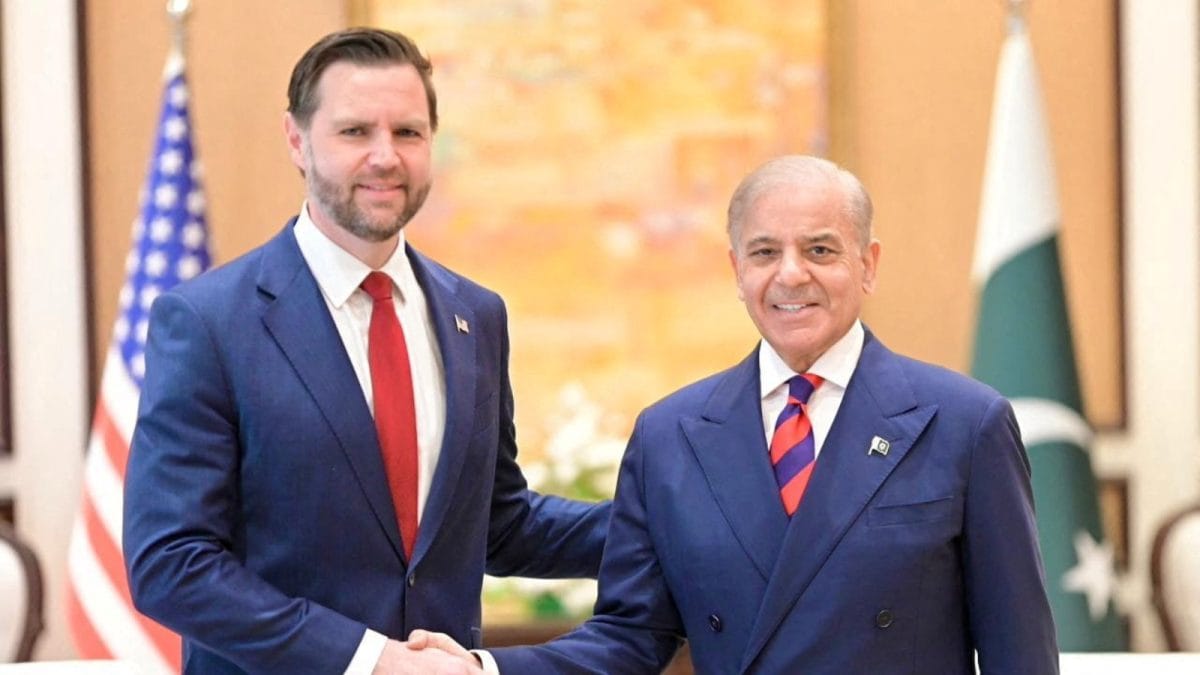
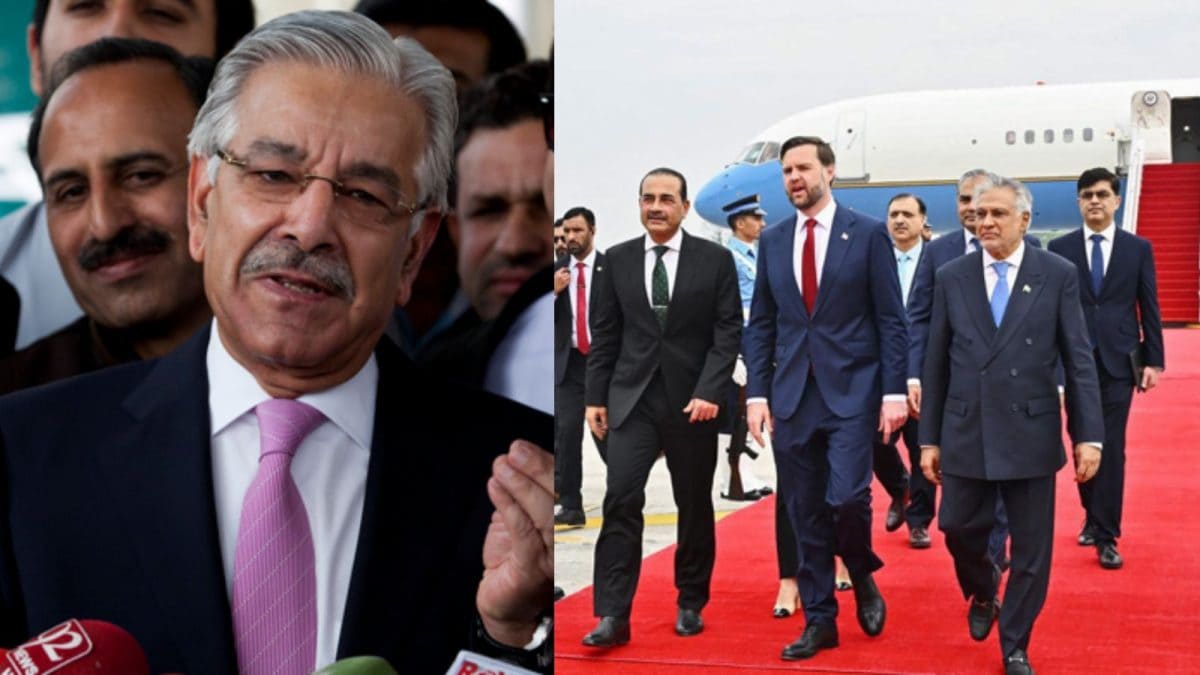
The United States and Iran began a series of cease‑fire talks in Islamabad, bringing together senior diplomatic and military figures from both sides under the watchful eyes of Pakistan's top leadership. While officials such as Shehbaz Sharif, Ishaq Dar, Asim Munir, Mohsin Naqvi and the U.S. delegation led by JD Vance were present, Defence Minister Khawaja Asif was noticeably absent. The omission came just after Khawaja Asif posted a harsh statement on the social‑media platform X, labeling Israel as “evil, a curse for humanity” and using language that many called antisemitic. The post attracted strong rebukes from Israeli leaders Benjamin Netanyahu and Gideon Sa’ar, as well as criticism from U.S. Representative Josh Gottheimer. Although Khawaja Asif later deleted the message, the incident raised questions about Pakistan's ability to act as a neutral mediator in the delicate Iran‑U.S. peace process. This piece walks through the events surrounding the talks, the background of Khawaja Asif’s remarks, the reactions from Israel and the United States, and the possible impact on Pakistan’s diplomatic standing, all explained in a simple, conversational style that reflects everyday Indian English.
What the talks were about and who was there
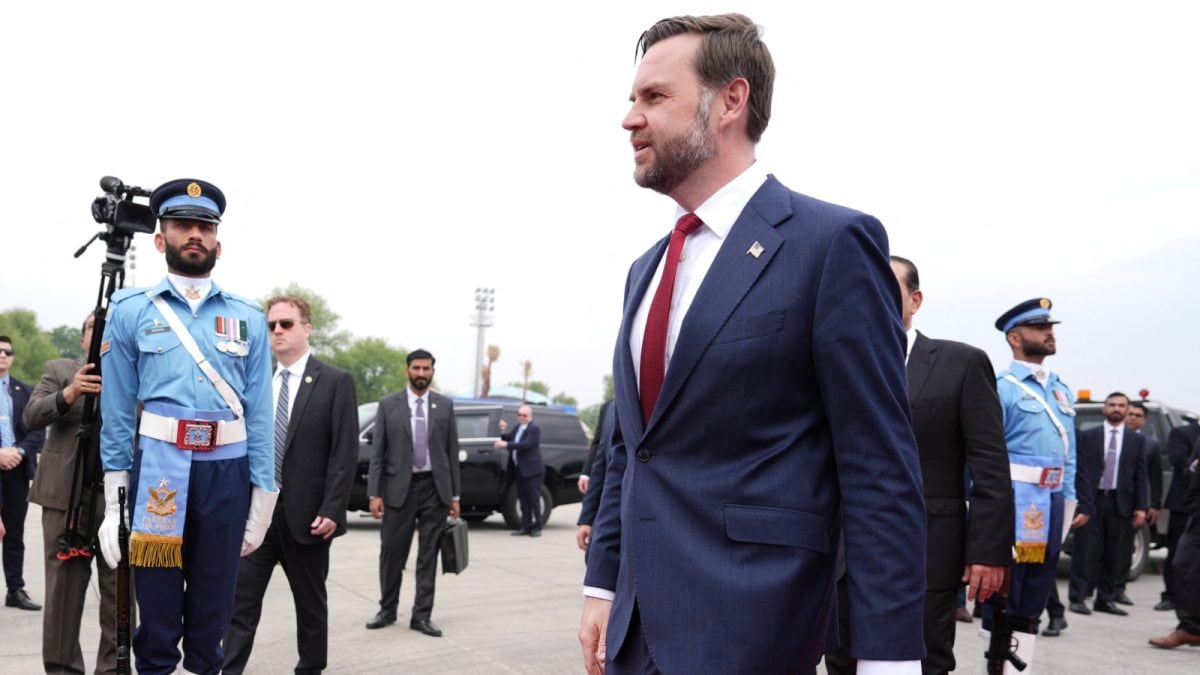
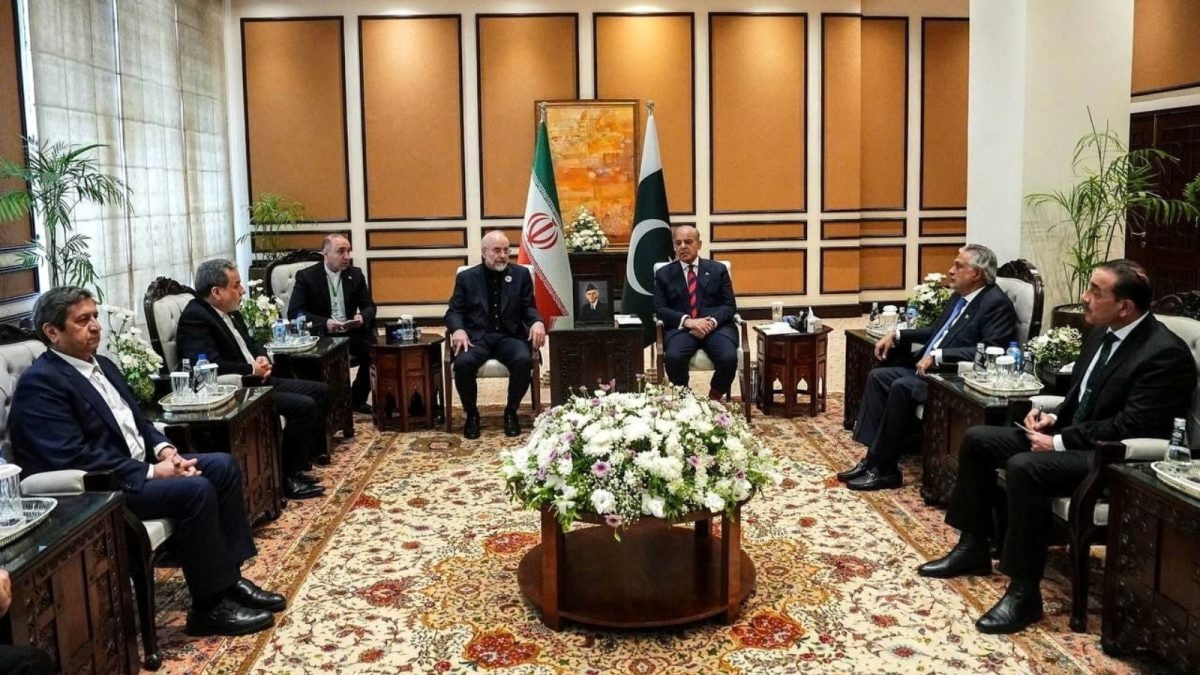
The meeting was set up to bring senior Iranian and American officials together in a neutral place. It took place in Islamabad, inside the well‑known Serena Hotel, which often hosts diplomatic gatherings. The Iranian side was led by parliamentary speaker Mohammad Bagher Ghalibaf, who met with Shehbaz Sharif, the prime minister of Pakistan. After that, the United States sent Vice President JD Vance, who arrived with White House envoy Steve Witkoff and Jared Kushner, the son‑in‑law of former President Donald Trump.
Alongside them, Pakistan’s own foreign affairs team was also present. Ishaq Dar, who handles the foreign ministry, sat at the table, as did Army Chief Asim Munir and Interior Minister Mohsin Naqvi. All of these people were expected to play a role in supporting the dialogue. The atmosphere was tense but hopeful, with many observers hoping Islamabad could act as a useful middle‑ground for the two rivals.
Khawaja Asif’s social‑media post that stirred the pot
Just a few days before the talks, Defence Minister Khawaja Asif posted a message on the platform X that created a storm. In that post Khawaja Asif described Israel as “evil and a curse for humanity”, calling it “cancerous” and saying it should “get rid of European Jews”. He also linked the ongoing violence in Gaza, Lebanon and Iran to what he called an “ongoing genocide”. The language was harsh, and many people called it openly antisemitic.
Khwaraja Asif went on to say that while peace talks were happening in Islamabad, “genocide is being committed in Lebanon, innocent citizens are being killed by Israel, first Gaza, then Iran and now Lebanon, bloodletting continues unabated”. He added a prayer‑like statement hoping that “people who created this cancerous state on Palestinian land” would be “burned in hell”. The post was quickly shared, retweeted and then, after a lot of backlash, removed by Khawaja Asif.
How Israel reacted to the remarks
Israel’s prime minister Benjamin Netanyahu did not hold back. He called Khawaja Asif’s statements “outrageous” and said they crossed a line that no diplomat should cross. Israeli foreign minister Gideon Sa’ar also expressed strong disapproval, describing the remarks as “openly antisemitic and inappropriate for a country that says it wants to mediate peace”. Both leaders used the moment to remind the world that diplomatic language matters, especially when delicate peace processes are at stake.
The reaction from Israel was swift because the words used by Khawaja Asif touched a very sensitive nerve. Many Israeli officials felt that such language could undermine any hope of neutral mediation, especially when the country itself is often accused of being biased in the region.
U.S. criticism and its implications
Across the ocean, the United States also weighed in. Representative Josh Gottheimer, a member of the U.S. Congress, openly condemned Khawaja Asif’s message. He said the “hateful rhetoric” was “beyond acceptable” and must be condemned. Gottheimer’s statement was quoted in several international media outlets, adding to the pressure on Pakistan’s diplomatic team.
The United States, which is directly involved in the cease‑fire talks, wanted the atmosphere to stay calm and neutral. Any hint of strong bias, especially from a host country, could make the talks harder. That’s why the criticism was not just about words, but about the possible impact on the progress of the negotiations.
Why Khawaja Asif’s absence mattered
When the delegation entered the conference room, many journalists noticed that Khawaja Asif was not among the senior Pakistani officials. In most situations, the defence minister would be part of the team, especially when talking about regional security and cease‑fire mechanisms. The missing presence was felt, and analysts started to wonder if the controversy forced Khawaja Asif to stay away.
It is not unusual for a minister to skip a meeting due to a personal reason, but the timing made the absence look intentional. The fact that the post had already been deleted did not erase the damage to Pakistan’s image as a neutral broker. The diplomatic corps in Islamabad had to work harder to assure both Iran and the United States that the talks would stay on course.
Impact on Pakistan’s role as a mediator
Pakistan has long tried to position itself as a bridge between the Muslim world and the West. Hosting the Iran‑U.S. talks was a chance to showcase that aspiration. However, the episode with Khawaja Asif reminded observers that a single social‑media post can ripple through high‑level diplomacy.
Even though the rest of the Pakistani team – Shehbaz Sharif, Ishaq Dar, Asim Munir and Mohsin Naqvi – remained calm and continued the discussions, the incident added a layer of skepticism. Some foreign analysts argued that Islamabad might have to be more careful in vetting the public statements of its officials, especially when they are invited to host talks that require impartiality.
Everyday Indian perspective on the drama
For many of us in India, the whole thing felt like a drama that could have been avoided. We often see politicians posting bold statements on X or Twitter, hoping to attract attention. In Khawaja Asif’s case, the reaction was far beyond a few likes and retweets – it sparked diplomatic friction.
Think of a situation where a neighbour scares the whole street by shouting loudly about a personal dispute. Suddenly, the nearby shops close early, the kids stop playing, and everyone is watching the drama instead of going about their daily chores. That is similar to how the Khawaja Asif post disrupted the peace‑talk atmosphere. It shows that in our interconnected world, a single sentence on a social platform can have real‑world consequences.
What could have been done differently?
If Khawaja Asif had chosen a more measured tone, the backlash might have been less severe. A simple statement like “I hope the talks lead to peace for all peoples” would have kept the focus on the diplomatic goal rather than on controversial language. Also, a quick apology before deleting the post could have softened the reaction.
Another lesson is the importance of internal coordination. Before posting, officials could run their messages by a communications team, especially when they hold a ministerial portfolio. That way, the team can gauge the possible impact and suggest modifications.
Looking ahead – the future of the Iran‑U.S. talks
Despite the drama, the talks continued. JD Vance, Steve Witkoff and Jared Kushner met with Mohammad Bagher Ghalibaf and the rest of the Iranian delegation. The main points were about a possible cease‑fire, humanitarian aid routes and a roadmap for future negotiations.
The presence of Shehbaz Sharif, Ishaq Dar, Asim Munir and Mohsin Naqvi indicated that Pakistan was still willing to play host. Whether the outcome of the talks will be a lasting peace or just a temporary lull remains to be seen. What is clear is that the incident with Khawaja Asif reminded everyone that diplomacy is fragile and that words matter a lot.