Padmini Kolhapure’s Heartfelt Tribute to Asha Bhosle’s Only Film Role – A Personal Take
In this moving recount, veteran actress Padmini Kolhapure looks back at her experience sharing screen space with the late legendary singer Asha Bhosle in the 2013 family drama "Mai". Padmini describes the film as a blessing, highlighting Asha Bhosle’s remarkable acting debut at the age of 79 and how the project touched both their lives. The story also covers the film’s sensitive plot about children caring for an ailing parent, the noteworthy cast, and Asha Bhosle’s dedication of the film to her own mother, lovingly called "Mai". Alongside, the article revisits Asha Bhosle’s iconic singing career, from her first playback in the 1943 Marathi drama to timeless hits like "Chura Liya Hai Tumne Jo Dil Ko". It also traces Padmini Kolhapure’s own journey of acting in over 75 films since her childhood debut, mentioning early works such as Zindagi, Dream Girl, and her breakthrough in Satyam Shivam Sundaram. The piece blends personal reflections, recent India updates, and the emotional impact of losing a cultural icon, making it a compelling read for anyone following the latest news India and breaking news about Bollywood’s cherished personalities.
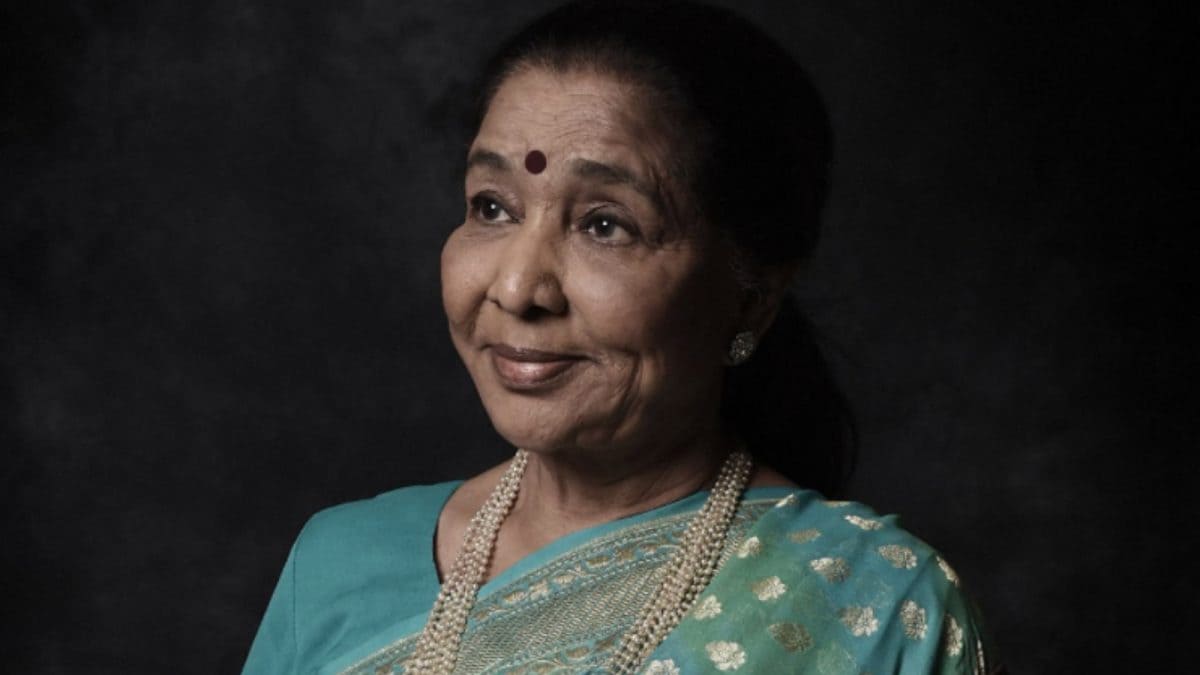
Padmini Kolhapure calls it a blessing to have acted with Asha Bhosle in "Mai"
Honestly, when I first saw the post on Instagram, I felt a wave of nostalgia hit me hard. Padmini Kolhapure, one of our beloved veteran actresses, took a stroll down memory lane and reminded us all about the late legend Asha Bhosle, who graced the silver screen just once, in the 2013 film "Mai" directed by Mahesh Kodiyal.
Reading Padmini's words felt like opening a photo album that you haven't touched in years. She shared a short clip of herself and Asha Bhosle together on set – you could feel the warmth between them. The post was more than just a picture; it was a reminder of how two generations of Indian cinema can come together for a single, heartfelt story. In most cases, you don't see such genuine gratitude expressed so openly, and that's what made this post a piece of breaking news for fans of both artists.
Why "Mai" was special for Asha Bhosle
Asha Bhosle, who turned 79 when she stepped in front of the camera for "Mai", decided to make her acting debut at an age when most of us are thinking of sending our kids to college. The film is a family drama that focuses on the idea of children abandoning their ailing parents – a theme that hits close to home for many Indian families.
In the movie, the character Madhu, played by Padmini Kolhapure, takes on the immense responsibility of caring for her widowed mother suffering from Alzheimer’s disease. Asha Bhosle played the role of that mother, fondly called "Mai" – a term that resonates with anyone who grew up hearing a mother being addressed that way in a household. The fact that Asha dedicated the film to her own mother, also lovingly known as "Mai", added another layer of emotion to the project.
What happened next is interesting – audiences noticed Asha's subtle expressions and genuine affection for her on‑screen child, and suddenly there were viral news clips and trending news India about her debut. The whole nation seemed to pause and appreciate that a music icon could also embody such raw emotion in a role that mirrored her real life.
The cast and the story – more than just a film
Besides Padmini Kolhapure and Asha Bhosle, "Mai" featured a sturdy ensemble: Ram Kapoor, Shivani Joshi, Kshitee Jog, and the ever‑charismatic Anupam Kher. Each of them brought a distinct flavor to the narrative, making the story feel like a slice of everyday Indian life.
Ram Kapoor’s character brings the male perspective of a son dealing with his mother’s deteriorating health, while Shivani Joshi’s role adds the modern-day daughter‑in‑law angle that many families grapple with. Kshitee Jog, known for her nuanced performances, portrays a sister who is torn between duty and personal ambitions. Anupam Kher, the seasoned actor, appears as a neighbour who lends both comic relief and wisdom.
The film’s central message is simple yet powerful: family bonds should not be broken, even when life gets tough. This theme struck a chord with audiences across India, prompting a wave of India updates and heartfelt discussions on social media. People started sharing their own stories of caring for elderly parents, turning the film into more than just an entertainment piece – it became a conversation starter.
Padmini Kolhapure’s own reflections
In the caption of her Instagram post, Padmini wrote, “Playing the sensitive role of Mai, my Mother in the Movie ‘Mai’ the only film you ever did on the silver screen is a blessing I’ll cherish forever. How many more blessings could I have asked for, to share such a deep, beautiful connection with you… Asha Atya #ashabhosle Forever in my heart.” It felt like she was talking directly to each one of us, sharing a private gratitude that many of us would have imagined but never heard.
She went on to say that being part of Asha’s singular film was a once‑in‑a‑lifetime chance. When I read that, I could almost see her standing beside Asha on set, feeling the weight of the scene, the quiet hum of the crew, and the shared respect between two artists who have given so much to Indian cinema.
Many people were surprised by how deeply personal the film was for both actresses. Padmini, who has been a part of over 75 films since she started acting at the tender age of seven, has seen an evolution in the industry from black‑and‑white classics to today’s digital era. Yet, she still finds herself moved by stories that touch the heart.
A quick look at Asha Bhosle’s illustrious music journey
While "Mai" was Asha Bhosle’s only acting role, it’s impossible to talk about her without remembering her unmatched singing career. She first sang for the Marathi drama ‘Majha Bal’ back in 1943 – a fact that still pops up in the latest news India when we discuss Indian music legends.
Her voice has been behind some iconic numbers that have become part of everyday life: “Chura Liya Hai Tumne Jo Dil Ko”, “Do Lafzon Ki Hai Dil Ki Kahani”, “Kya Ghazab Karte Ho Ji”, “O Haseena Zulfonwale Jane Jahan”, and “Ye Ladka Hai Allah Kaisa Hai Diwana”. Each song still rings in the ears of people listening to old cassettes or modern streaming playlists.
When Asha passed away at the age of 92 in Mumbai, the nation felt a collective loss. She had been admitted to the Breach Candy Hospital before she breathed her last, and her last rites were held at Shivaji Park. The entire country mourned, and the outpouring of tributes made the news go viral across platforms, becoming part of the trending news India that day.
Padmini Kolhapure’s own cinematic journey
Born into a family with strong ties to the film industry, Padmini Kolhapure started her acting career back in 1972 when she was just seven years old. Her early films such as Zindavi and Dream Girl gave her a foothold in the industry, but it was the 1978 classic Satyam Shivam Sundaram that truly catapulted her into stardom. She played the young Roopa, a role that still gets mentioned when people discuss the golden era of Bollywood.
Over the decades, Padmini has worked in more than 75 films, navigating both mainstream commercial cinema and more nuanced, content‑driven projects. She’s seen the shift from handwritten scripts to digital storytelling, and yet she holds onto the feeling of those early days when a director would give you a hug for a good performance. This blend of nostalgia and modernity makes her reflections on "Mai" feel authentic and relatable.
In many interviews, Padmini has often spoken about the importance of respecting elders – a value that aligns perfectly with the core message of "Mai". Her personal experience of caring for her own parents in later years adds another layer of sincerity to her words about the film.
Why this story matters today
Even though "Mai" released several years ago, the themes it explores are still very much part of the conversation in India today. With an ageing population and changing family structures, the film’s message about taking care of our parents resonates across generations. That’s why it keeps popping up in the most recent India updates and why social media users keep sharing clips from the movie, turning them into viral news bites.
Moreover, the bond between Padmini Kolhapure and Asha Bhosle serves as an example of how the industry can pay tribute to its own legends. It’s not just about glamour; it’s about respecting the legacy left behind by those who shaped the music and cinema we love.
Many people were surprised by how a single film could bring together so many emotions – from grief over Asha’s passing to gratitude for having shared a screen with her. This mix of personal and collective feelings has turned the story into a piece of breaking news that continues to be discussed in living rooms, coffee shops, and online forums across the country.
Final thoughts – a personal note
For me, reading Padmini’s post felt like a gentle reminder of the values we hold dear: respect, love, and the power of art to connect us. I remember watching "Mai" with my family on a rainy Sunday afternoon; the scenes of Madhu caring for her mother made us pause and think about our own responsibilities.
If you haven’t seen the film yet, I’d say give it a watch. It’s not just another Bollywood drama; it’s a slice of life that beautifully captures the essence of Indian families. And if you’re a fan of Asha Bhosle’s voice, seeing her on screen adds a whole new dimension to her legend.
All in all, this story is more than a nostalgic look back – it’s part of the ongoing dialogue about how we treat our elders, how we honor our cultural icons, and how a single film can become a beacon of hope and reflection for many. That’s why it continues to be featured in the trending news India and remains a heartfelt part of our collective memory.