Aditya Dhar Credits Sound Maestros for Dhurandhar’s Lightning‑Fast Mix
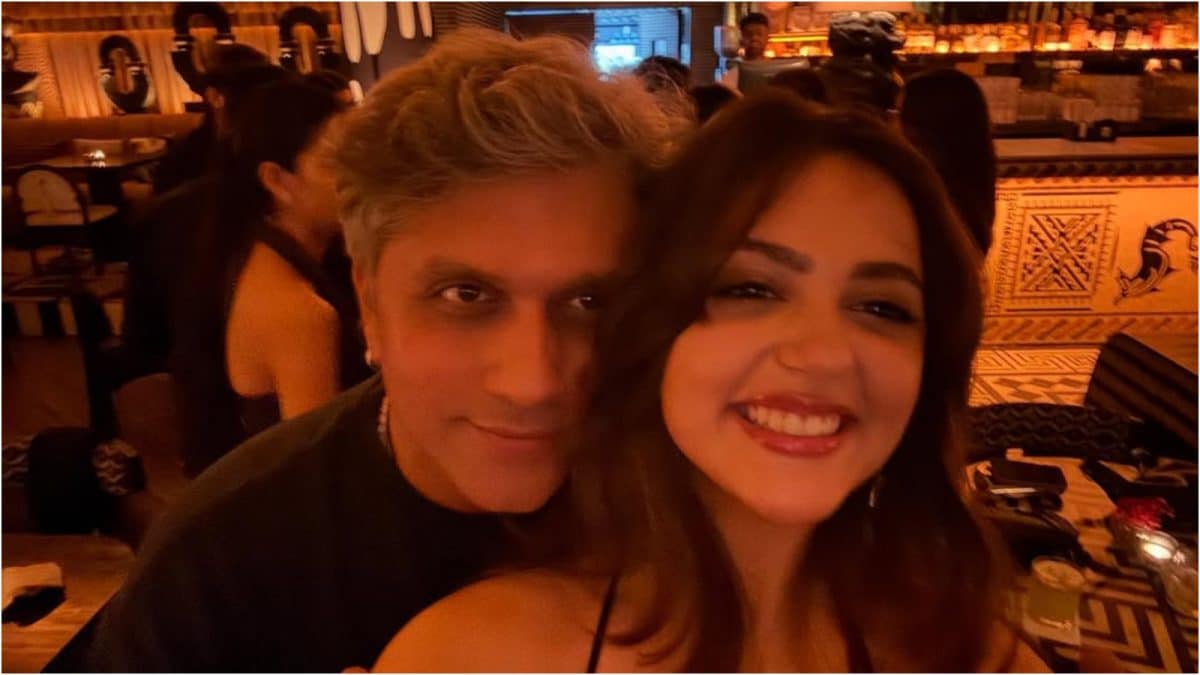
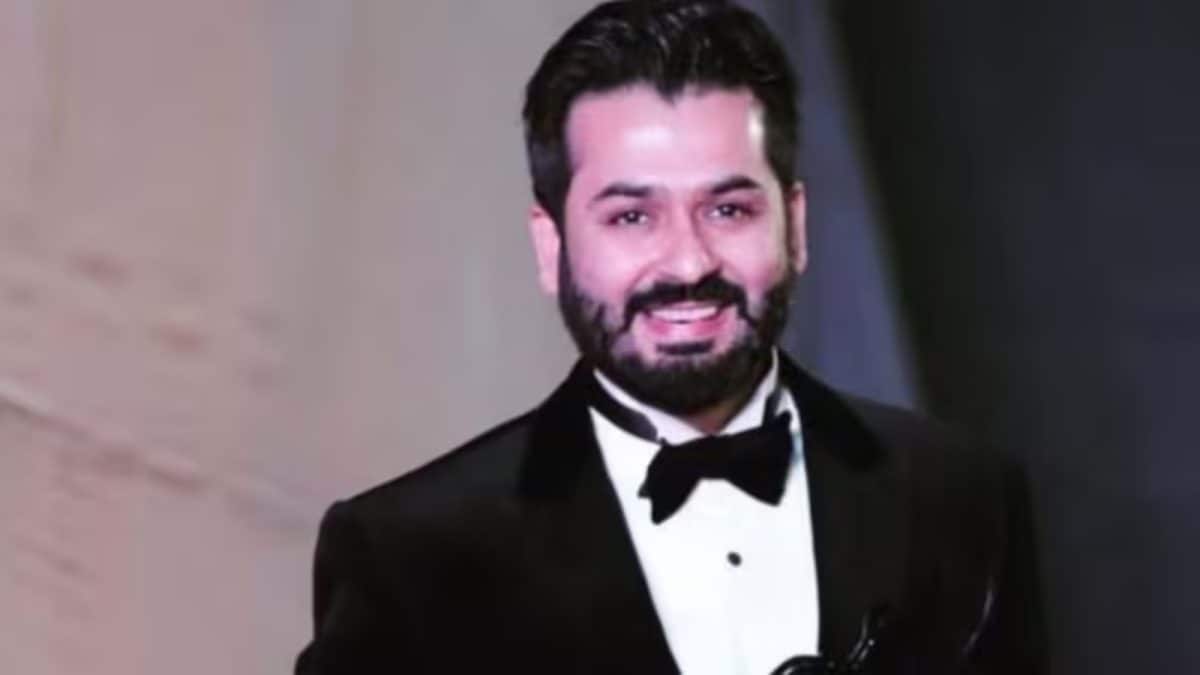
In a heartfelt series of social media posts, director Aditya Dhar has openly praised the relentless dedication of Bishwadeep (Bishu Da) and Justin Sir, the two stalwarts behind the sound design of the Dhurandhar franchise. He recounted how the final director's mix of Dhurandhar was completed in an astonishing 24‑hour window after the edit, and how the sequel, Dhurandhar: The Revenge, was wrapped up in just 30 hours – a feat that dwarfs the nine‑day mix timeline of his earlier hit URI. Aditya Dhar also reflected on his early days as an assistant, the countless sleepless nights at Mariano Studios, and how Bishwadeep and Justin have been both mentors and friends throughout his career. The director stresses that without their experimental spirit, tireless work ethic, and unwavering support, the recent films could never have reached the heights they did. His tribute underscores the often‑unsung role of sound engineers in Indian cinema and highlights the collaborative spirit that drives blockbuster success.
Sound Team Tribute from a Filmmaker’s Heart
Ever since Dhurandhar 2 became a house‑hold name, Aditya Dhar has turned his social media into a sort of gratitude diary, posting individual thank‑you notes for each department that helped bring the franchise to life. This time, the focus landed squarely on the sound department – the quiet heroes who shape every whisper, every gun‑shot, every dramatic swell that makes a movie feel real.
Aditya Dhar wrote, “Here’s to Bishwadeep (Bishu Da) and Justin Sir, the heartbeat behind the sound of Dhurandhar and Dhurandhar: The Revenge. I’ve known Bishwadeep (Bishu Da) since my assistant days, when I was just a curious kid, constantly asking questions about every little detail of sound. And not once did Bishwadeep (Bishu Da) lose patience. Bishwadeep (Bishu Da) would sit with me and explain every nuance, every layer, every choice.”
Aditya Dhar added, “In many ways, that’s where my understanding of sound and cinema truly began. Over the years, both Bishwadeep (Bishu Da) and Justin Sir have been called ‘veterans,’ but honestly, they’re like kids when it comes to their craft. Inquisitive, experimental, always pushing boundaries. Give them space, and they won’t just deliver, they’ll create something extraordinary. From Uri to Dhurandhar, they’ve been my pillars. Not just collaborators, but constant guides, always smiling, always teaching, always treating me like a kid brother.”
The 24‑Hour Miracle for Dhurandhar
What Aditya Dhar describes next sounds almost like a story you’d hear over chai at a rooftop café. The last day of shooting for the first part of Dhurandhar wrapped up on 2nd November 2025. Just a little over a month later, on 5th December 2025, the film hit the screens. In that short window – after picture lock, after the background score was laid down, after the songs were finalized – the final director’s mix of the entire film was cranked out in a single 24‑hour sprint.
“Our last day of shoot for Part 1 was 2nd November 2025. The film released on 5th December 2025. In that short window, after the edit, BGM and locking of songs, the final director’s mix of the entire film got only just 24 hours. 24 hours. For a film of this scale, it sounds impossible. But they made it happen. And not once did the pressure reflect in the work. If anything, they raised the bar,” Aditya Dhar recalled.
Imagine a typical Indian post‑production studio buzzing like a Mumbai bazaar at peak hours – cables everywhere, monitors flashing, coffee cups stacked high, and the ever‑present hum of air‑conditioning. In that chaos, Bishwadeep (Bishu Da) and Justin Sir, along with their team, pulled together the myriad sound elements – dialogue, foley, ambience, and the final mix – and delivered a seamless auditory experience that matched the visual intensity of the film. The whole process felt like a marathon where every runner knew the exact point where they had to hand over the baton, without ever missing a beat.
Even Faster – 30 Hours for Dhurandhar: The Revenge
When the sequel, Dhurandhar: The Revenge, entered the final stages, the pressure only intensified. This time, the clock ticked just a little slower – 30 hours instead of 24 – but for a project with even more complex sound design, action sequences that demanded layered explosions, and a larger ensemble cast, the achievement felt equally monumental.
Aditya Dhar said, “The same happened with Dhurandhar: The Revenge, the final mix got only just 30 hours. For context, Uri was done in 9 days. I’ve seen them sit for days at a stretch, barely taking breaks, often without sleep, not just to finish the work but to do justice to it. That kind of commitment, that kind of selflessness towards the craft, is rare.”
Here is where you can really feel the Indian film‑making hustle. While many of us in Bangalore might be juggling a regular 9‑to‑5 job, these sound engineers were hunched over mixing consoles, sipping endless cups of chai, swapping jokes about old Bollywood songs, and still managing to keep the audio crisp enough that each punch landed like a bhaji‑pav bite – satisfying and unforgettable.
In most cases, a film’s post‑production spans weeks, if not months. Yet Bishwadeep (Bishu Da) and Justin Sir proved that with the right teamwork, passion, and a sprinkle of midnight masala, even a massive project can be wrapped up in what feels like a single night’s work.
Comparing the Nine‑Day Mix of Uri
To put things in perspective, Aditya Dhar reminded everyone that the iconic war thriller Uri, which also featured Bishwadeep (Bishu Da) and Justin Sir in pivotal sound roles, took a full nine days to complete its final mix. Nine days sounds like an eternity when you’re used to the buzz of a Mumbai studio where one day often feels like a week.
“Uri was done in 9 days. I’ve seen them sit for days at a stretch, barely taking breaks, often without sleep,” Aditya Dhar noted. The contrast made the 24‑hour and 30‑hour achievements even more striking. It also highlighted how the team had grown, how their workflow had become smoother, and how their mutual trust had deepened to the point where tasks that once took a week could now be accomplished in a single night's effort.
When I think of these timelines, I picture the torrential monsoon rains in Chennai, how a short, intense downpour can flood streets faster than a gentle drizzle. Similarly, Bishwadeep (Bishu Da) and Justin Sir’s focused bursts of energy flooded the soundscape in record time.
Personal Reflections and the Human Side of the Process
Beyond the numbers and the accolades, Aditya Dhar’s posts are peppered with personal memories that bring a human touch to the whole saga. “What I’ll always cherish are those sleepless nights at Mariano Studios, the chaos, the learning, the laughter and the shared belief in what we were creating,” Aditya Dhar confessed.
He described late‑night pizza orders, the occasional power cut that forced them to work by flashlight, and the spontaneous “film‑song” karaoke sessions that broke the tension. These moments, though small, paint a vivid picture of what it really feels like to be part of a high‑stakes Indian film production.
Aditya Dhar concluded with a simple yet powerful line: “I genuinely cannot imagine making a film without them. They are not just among the best we have, they are among the best in the world. And I will always be grateful.” The sentiment resonates with anyone who has ever relied on a team that works like family – you know they’ll have your back, even when the world seems to be spinning faster than a Bollywood dance number.
Why This Matters for Indian Cinema
Stories like this are essential because they shed light on a part of filmmaking that often stays behind the curtains. In most Indian movie promotions, you hear about the lead actors, the director, maybe the music composer. Rarely do you hear the name Bishwadeep (Bishu Da) or Justin Sir, even though their work is what makes audiences feel the tension in a chase scene or the tear‑jerking moment in a drama.
By publicly acknowledging their contribution, Aditya Dhar is setting a precedent. It encourages younger sound engineers across India – from the cozy studios of Hyderabad to the bustling post‑production houses of Kolkata – to aim higher, knowing that their effort can be celebrated just as loudly as any star’s performance.
In most cases, the Indian film industry is still learning to appreciate the behind‑the‑scenes talent. This kind of open gratitude helps shift the narrative, making room for more inclusive recognition. It also shows that success is rarely a solo act; it’s a chorus of dedicated professionals, each playing their part.
Closing Thoughts
Looking back, the 24‑hour and 30‑hour mixes for Dhurandhar and its sequel feel like milestones that will be talked about in film schools for years. They serve as proof that with the right mix of talent, hard work, and a dash of Indian resilience, even the most daunting deadlines can be turned into triumphs.
Aditya Dhar’s heartfelt tribute is not just a thank‑you note; it’s a reminder that every time we sit in a theater, the sound we hear is the result of countless sleepless nights, shared jokes, and an unwavering belief in storytelling. As a fan of Indian cinema, I feel grateful to witness this behind‑the‑scenes magic, and I hope more filmmakers follow Aditya Dhar’s example, giving due credit to the unsung heroes who make the movies we love truly come alive.