May 30 Versus May 31. The Date That Splits Australia's Attack and Leaves Pakistan Waiting.
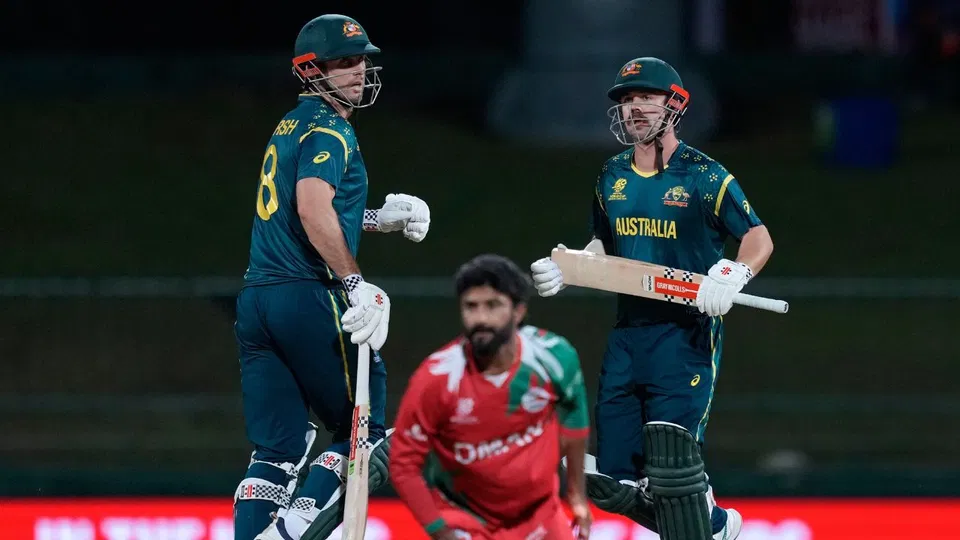
Pat Cummins, Mitchell Starc and Josh Hazlewood are all unlikely to feature in Australia's three match ODI series in Pakistan starting May 30, with the IPL playoffs and final running concurrently. Travis Head faces the same decision. Mitchell Marsh or Josh Inglis is expected to captain a second string side in Rawalpindi and Lahore.
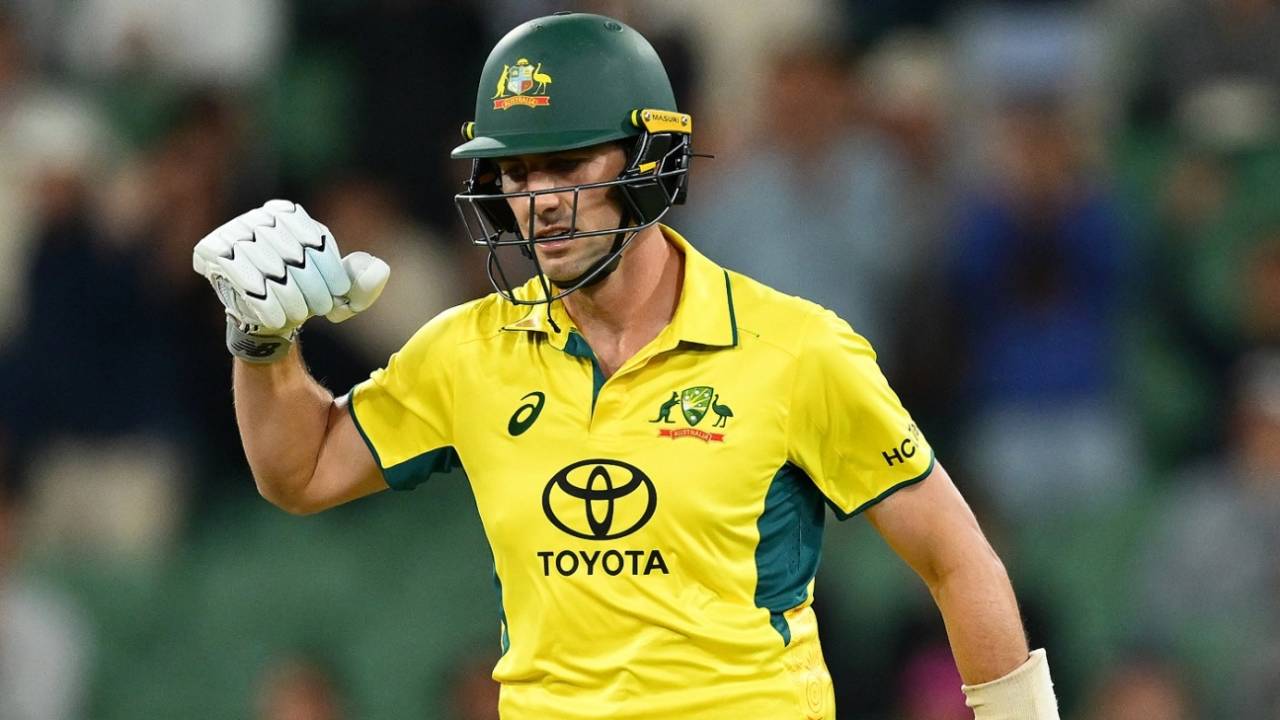
The first of Australia's three ODIs in Pakistan is scheduled for May 30 in Rawalpindi. The IPL 2026 final is scheduled for May 31 in Ahmedabad. One date separates the two events. That one day is enough to make the problem unsolvable for Australian selectors and the three fast bowlers caught between them.
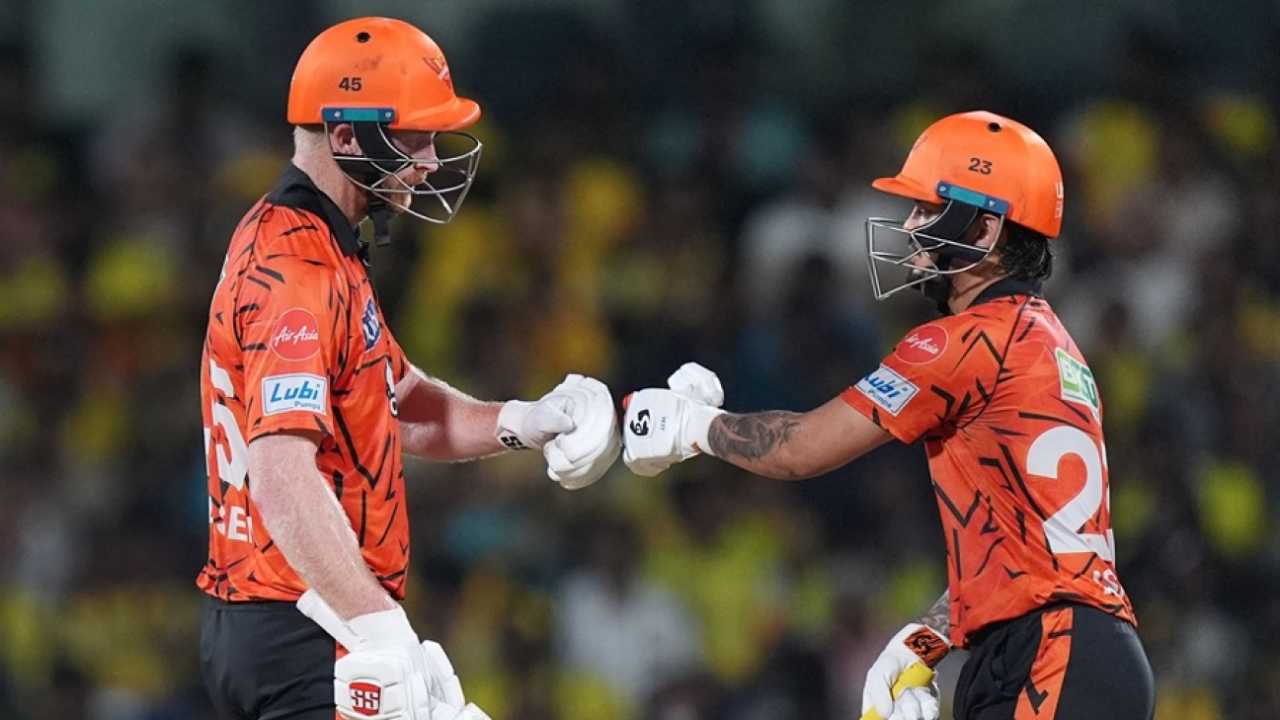
Pat Cummins, Mitchell Starc and Josh Hazlewood are all understood to be unavailable for the Pakistan ODI series. Travis Head faces the same scenario. Each of the four plays for a franchise still in contention for the IPL playoffs. The squad that lands in Islamabad on May 23 will be missing its four most recognisable names, and Mitchell Marsh or Josh Inglis is expected to take the captaincy in what will be, by design rather than accident, an opportunity tour for the players below the senior tier.
The Fixture and the Conflict
The Pakistan Cricket Board confirmed the schedule on Thursday. Three ODIs: Rawalpindi Cricket Stadium on May 30, then Gaddafi Stadium in Lahore on June 2 and June 4. From there the Australians travel to Bangladesh for three ODIs and three T20Is starting June 9.
The IPL regular season concludes on May 24. The playoffs begin shortly after, with the final in Ahmedabad on May 31. Cummins captains Sunrisers Hyderabad, who currently sit top of the points table with 14 points from 11 games. Hazlewood plays for Royal Challengers Bengaluru. Starc is at Delhi Capitals. Head is also at Hyderabad. All four are at franchises that are either already in the playoff picture or fighting to get there. None of them will be leaving their IPL commitments to fly to Pakistan for the series opener the night before the final.
The situation is understood rather than officially confirmed by Cricket Australia, but the logic is straightforward. Franchises are not going to release players for an overseas ODI series during their playoff campaign. And even if they were, the calendar makes it physically impossible for a player involved in the May 31 final to feature in the first ODI the previous evening in Rawalpindi.
Who Does Travel and Who Leads
The picture is clearer for the players at franchises unlikely to feature in the back end of the tournament. Marsh and Inglis both play for Lucknow Super Giants, who have lost their last six games and are effectively out of playoff contention. Both are likely to be available for the full Pakistan series and are the leading candidates to lead the side, with Marsh the more experienced option having filled in as ODI captain for Cummins on multiple occasions in recent years. Inglis has also skippered in Marsh's absence. Either would be a reasonable choice for a series of this nature.
Cameron Green is another who could arrive in time. Playing for Kolkata Knight Riders, who currently sit eighth on the points table, Green would be released once KKR's campaign concludes. His all round capability makes him a valuable addition to any reduced squad. Alex Carey, Adam Zampa and Marnus Labuschagne, none of them involved in the IPL, are all expected to be available and are likely starters for the full series.
The players at franchises with playoff ambitions face a different timeline. Cooper Connolly, Xavier Bartlett and Ben Dwarshuis are all at Punjab Kings, who hold 13 points and remain in contention. Matthew Short is at Chennai Super Kings. Their likely window to join the Australian white ball setup is Bangladesh in June, where the T20I series fits into a schedule clear of IPL commitments.
The Broader Workload Picture
The pace trio's absence from Pakistan is not only a scheduling conflict. It is also a workload decision that Cricket Australia has been building toward since the Australian summer ended. Cummins played just one Test during the Ashes due to a back stress injury. Hazlewood sat out the entire series with hamstring and Achilles problems. Starc bowled 31 wickets across all five Ashes Tests and won Player of the Series, but has since managed an elbow and shoulder injury through the IPL.
Australia are scheduled to play up to 21 Tests in the twelve months between August 2026 and July 2027, a stretch that includes three Tests in South Africa, four at home against New Zealand, five in India for the Border-Gavaskar Trophy, a potential World Test Championship final and then the Ashes in England. The Pakistan ODIs are a 50 over series in late May. The maths of managing three aging fast bowlers through that schedule means every non essential white ball commitment in the interim is evaluated against what it costs further down the calendar. Pakistan, on this occasion, does not make the cut for any of the three.
As Australia selector Tony Dodemaide said earlier in the season when explaining why Cummins and Hazlewood were missing the start of the IPL itself: “It's not going to be frustrating for us at all. We know their commitment to want to play and succeed for Australia.” The same logic applies in the opposite direction. The trio's commitment to the IPL franchises that contracted them is genuine. Their commitment to the Australian summer ahead is the reason Pakistan gets the squad it gets rather than the one it would prefer.
What This Means for Pakistan and for the Series
This is the first time Pakistan have hosted Australia for ODIs since 2022, when Pakistan won that series 2-1. They arrive at this series on the back of a 3-0 T20I whitewash of Australia earlier this year, a result that gave the home side both momentum and the expectation of a full strength opponent to test themselves against. The announcement that three of the four biggest names in Australian cricket will not be present is not the build up the PCB would have chosen for a bilateral series they have been working to schedule and promote.
That said, the series retains genuine interest for both sides. Australia have ODI World Cup preparation to prioritise, and the matches in Rawalpindi and Lahore give younger players a chance to press their case in conditions that are harder to replicate at home. For Pakistan, winning a 50 over series against an Australian side missing its senior attack still counts. The subcontinent has always understood how to make use of the opportunities a second string touring squad provides, and Gaddafi Stadium in Lahore, which sold out for the T20I series in January, will not be empty because Cummins is not in the XI.
The series begins May 30. The IPL final is May 31. Two calendars, one conflict, and a set of Australians who cannot be in two places at once.
Does Australia's unavoidable second string squad give Pakistan the chance to complete a bilateral whitewash across formats, or does the depth of Australian white ball cricket run deeper than the names missing suggest?