Crickx
World11 APR 2026

Deal or No Deal: Iran Ties Uranium Talks to Lebanon Promises in United States Negotiations

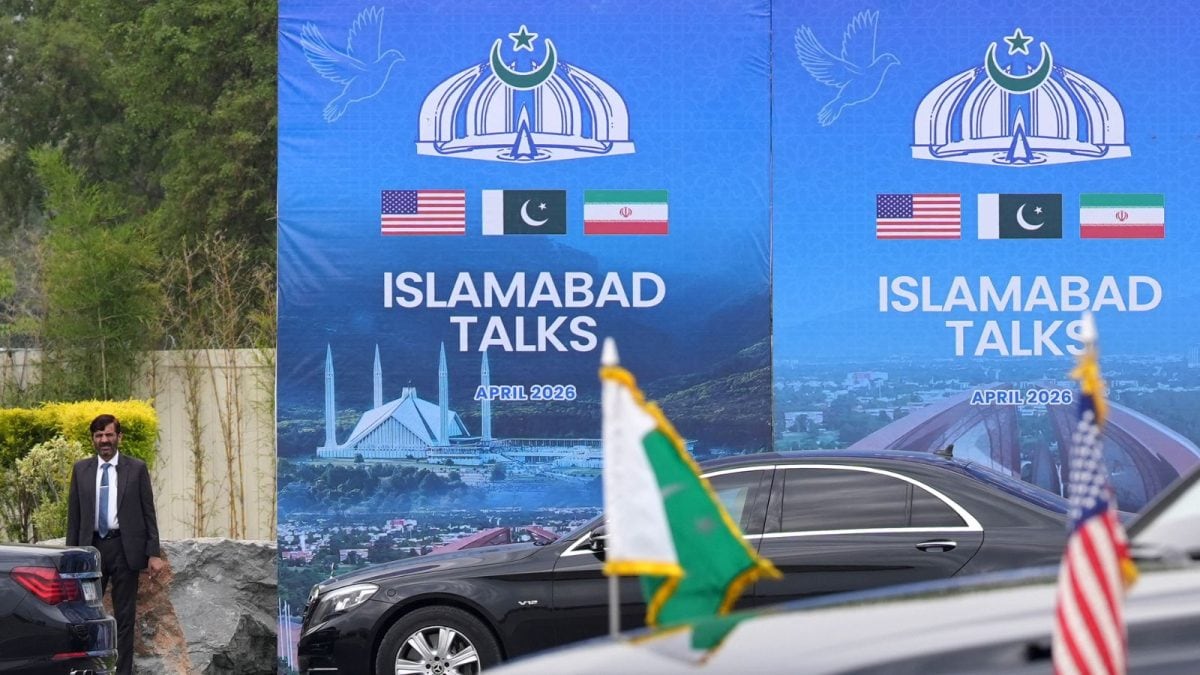
In a series of behind‑the‑scenes exchanges, Tehran’s advance teams have warned the United States that any progress on Iran’s uranium enrichment programme will depend on solid security guarantees for Lebanon. The United States, together with Lebanese officials, has responded cautiously, promising to do their best while acknowledging the complexity of the issue. Meanwhile, Pakistan’s military chief General Asim Munir and Prime Minister Shehbaz Sharif are hoping for at least a modest breakthrough, seeing the presence of United States Vice President JD Vance and Iranian Parliament Speaker Mohammad Bagher Ghalibaf as a positive sign. Despite these hopeful signals, deep mistrust continues to linger, with Iran asserting it can still ‘teach the United States a lesson’ if its demands are not met, and the United States aiming to end the conflict for both strategic and domestic reasons. Indian intelligence analysts note that this bargaining process has become a delicate mix of military leverage, regional power‑plays, and diplomatic maneuvering, with Pakistan positioning itself as a visible mediator. The outcome is likely to be an interim ceasefire extension rather than a comprehensive settlement, but the coming days will reveal whether even a limited agreement can be achieved.
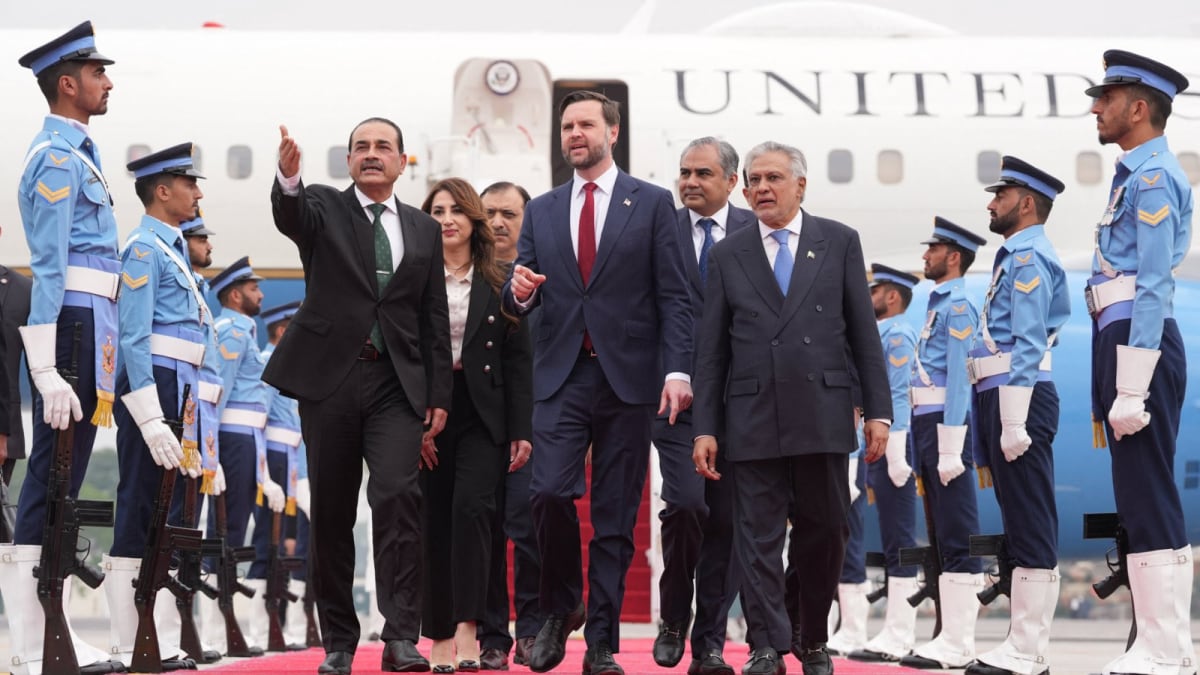
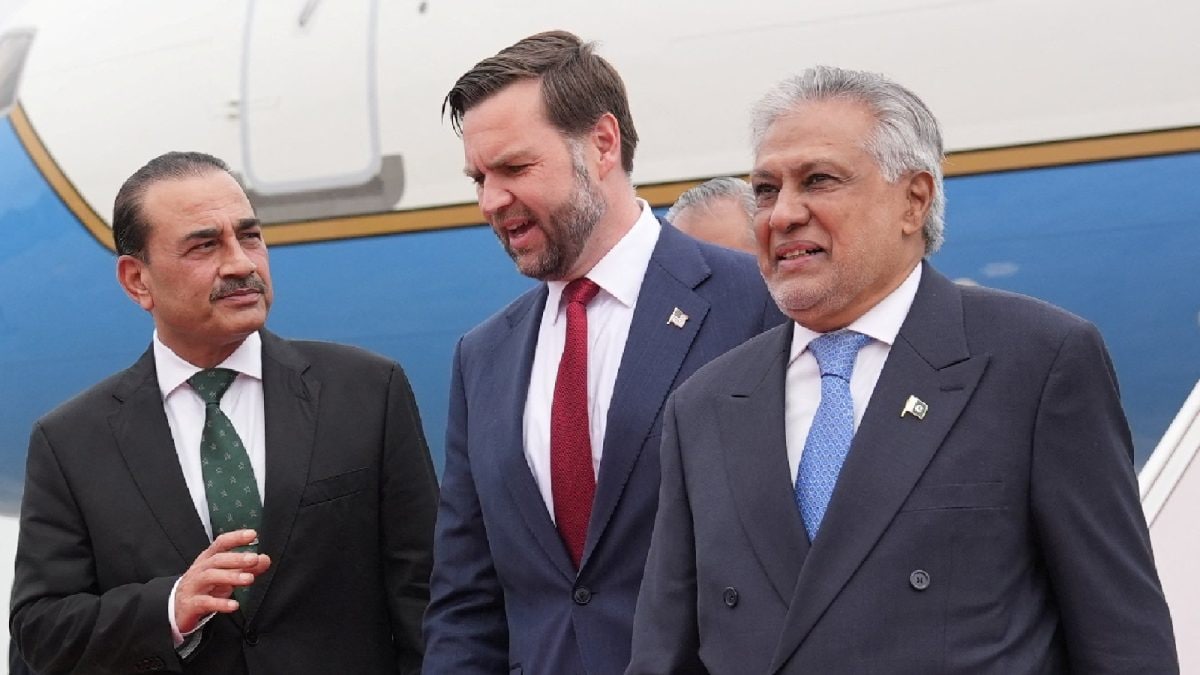
Leaders from Iran, United States and Pakistan in discussion during recent talks
Leaders from Iran, United States and Pakistan gathered for high‑level talks.

Advance teams from Tehran conveyed to the United States that any progress on nuclear front, particularly uranium enrichment, would hinge on securing firm commitments related to Lebanon

When I first heard about the latest round of talks, I was watching the news over a cup of chai and thinking how these diplomatic chess games always feel like a long‑distance cricket match. The gist, as I understood it, is that Iran has put Lebanon front and centre. Tehran’s advance teams have told the United States that any steps forward on the nuclear front – especially on uranium enrichment – will only happen if there are solid promises concerning Lebanon. In simple words, Iran is saying, “If United States can give us something concrete about Lebanon, Iran will consider moving a little on uranium enrichment.”

Iranian representatives have been quite clear about this stance during the preliminary exchanges. The message was not vague; it was repeated with the same phrasing in several briefings. United States officials, along with Lebanese representatives, have answered with a cautious tone, promising to do their best to address the concerns. Yet, the underlying complexity means that negotiations could stretch for a while, and a full‑blown settlement does not appear on the near‑term horizon.

Pakistan’s role and the arrival of key personalities

Now, let me shift a bit and talk about Pakistan’s angle. Pakistan’s military and civilian leadership, headed by Army Chief General Asim Munir and Prime Minister Shehbaz Sharif, are keen on seeing at least a modest breakthrough. Both leaders seem to hope that some elements of the deal could finally take shape during this round of talks. The arrival of United States Vice President JD Vance and Iranian Parliament Speaker Mohammad Bagher Ghalibaf has been interpreted as a major positive signal.

Mohammad Bagher Ghalibaf’s decision to attend, in particular, marks a shift. Earlier, Mohammad Bagher Ghalibaf had expressed reluctance, citing a lack of trust in the United States. His presence now is being read by officials as an indication that Tehran sees value in engaging, and that some form of outcome may be within reach. For me, it felt like watching a reluctant neighbour finally stepping out for a cup of tea – the atmosphere suddenly becomes more hopeful.

Deep divergences and the battle of narratives

Even with these hopeful signs, deep divergences persist. While the United States appears increasingly eager to halt the conflict – driven by both strategic fatigue and domestic political considerations – Iranian officials have projected confidence, asserting that Tehran retains the capacity to escalate and “teach the United States a lesson”. Iran has also indicated that the current cease‑fire disproportionately benefits the United States, reducing Tehran’s incentive to compromise quickly.

From my perspective, the way these talks are being framed is similar to a family argument where one side keeps reminding the other of past grievances while the other tries to push for peace. Iranian officials keep reminding the United States of its strategic advantages, while the United States pushes for a quicker end to hostilities to avoid further costs.

Insights from Indian intelligence and the regional leverage

According to top Indian intelligence sources, the United States is engaged in hard bargaining, while Iran is leveraging its battlefield resilience and regional influence, especially through groups like Hezbollah in Lebanon, to extract stronger security guarantees. This dynamic has shaped the negotiating posture on both sides, turning the talks into a complex mix of military leverage and diplomatic maneuvering.

When I tried to compare this to everyday situations, I thought of a landlord and a tenant. The landlord (Iran) knows the tenant (United States) needs the house (regional stability) and therefore asks for extra rent (security guarantees). The tenant, meanwhile, wants to keep the rent affordable and the house intact. The landlord’s claim that the current cease‑fire benefits the tenant more is like saying the tenant is already getting a discount, so why should the landlord lower the price further?

Pakistan as a visible mediator and the idea of an “Islamabad Accord”

Pakistan’s positioning as a visible mediator has given Islamabad a central role in these sensitive engagements. However, expectations are being tempered. Officials believe that any potential “Islamabad Accord” is more likely to result in a fragile, interim understanding, possibly extending the cease‑fire – rather than a comprehensive resolution to the wider conflict.

From where I sit, it feels a bit like a school project where one student volunteers to be the group leader. The leader can organise meetings and keep everyone on track, but the final grade still depends on how well each member contributes. In this case, Pakistan can facilitate discussions, but the final content of any aCrickxoment will still hinge on the demands of Iran and the concessions of the United States.

Potential outcomes and the road ahead

As negotiations intensify, the coming days will determine whether this delicate balancing act can produce even a limited breakthrough, or whether entrenched mistrust will once again keep a lasting deal out of reach. The scenario that seems most plausible, based on the information available, is an extension of the cease‑fire with a set of limited, perhaps symbolic, concessions from each side.

For the common person watching from home, the takeaway is that these talks are not just about high‑level politics; they affect everyday life – from fuel prices to the safety of markets in border towns. If even a modest aCrickxoment is reached, we might see a reduction in the news headlines about shelling and a little more stability for families on both sides of the border.

On the other hand, if the talks stall, the risk of renewed hostilities could impact everything from trade routes passing through Pakistan to the daily commute of people living near conflict zones. The stakes are high, and the human element – the countless families hoping for peace – remains at the heart of these negotiations.
Israel Iran War News Iran United States Ceasefire

#news#world
Share this story

Recommended Stories

Iranian Funds Unfrozen: How $6 Billion May Ease Tensions Over the Hormuz Strait
World|11 APR 2026

Iranian Funds Unfrozen: How $6 Billion May Ease Tensions Over the Hormuz Strait

In a surprising turn of events, the United States has reportedly agreed to release around $6 billion of Iranian assets that have been frozen in Qatar and other foreign banks. Senior Iranian officials say the move is directly linked to negotiations aimed at ensuring safe passage through the strategic Strait of Hormuz, a waterway that has long been a flashpoint between Tehran and Washington. The funds, originally blocked in 2018 after the United States reinstated sanctions on Iran, were meant to be released in 2023 as part of a prisoner‑swap arrangement, but were re‑frozen following the October attacks on Israel by Hamas. While the exact value of the assets being unfrozen remains unclear, the latest source indicates the amount could indeed be $6 billion. This development comes amid ongoing cease‑fire talks in Islamabad, where both sides are probing ways to de‑escalate regional hostilities. The article explores the background of the frozen money, its humanitarian restrictions, the geopolitical stakes surrounding the Hormuz Strait, and what this unfreezing could mean for everyday people, especially in countries like India that closely watch Middle‑East dynamics for trade and security reasons.

JD Vance’s Tightrope Walk: Balancing Trump’s ‘No Cards’ Claim with the Risk of a Fresh Iran War
World|11 APR 2026

JD Vance’s Tightrope Walk: Balancing Trump’s ‘No Cards’ Claim with the Risk of a Fresh Iran War

JD Vance, the newly appointed Vice President of the United States, is caught in a knotty dilemma as diplomatic talks in Islamabad hover over a fragile cease‑fire. On one side, President Donald Trump keeps shouting that Iran has "no cards left" and expects a hard‑line stance, while on the other side the Iranian delegation is demanding the removal of the Islamic Revolutionary Guard Corps from the U.S. terrorist list and the release of billions of dollars in frozen assets in exchange for reopening the Strait of Hormuz. The strait is the lifeline for global oil shipments, and any disruption would send fuel prices spiralling, affecting everything from Delhi’s auto‑rickshaws to Mumbai’s street food stalls. If JD Vance signs off on these concessions, he risks being branded weak by a Trump‑dominated White House; if he walks away, the United States may be forced back into a costly, unpopular war that polls show the American public deeply opposes. This article delves into the strategic stakes, the political calculations, and the personal pressure JD Vance feels as he tries to stitch together a compromise that could keep the oil flowing without igniting a new conflict in West Asia.

America First or Israel First? Iran’s Vice President Sets the Tone for Islamabad Ceasefire Talks
World|11 APR 2026

America First or Israel First? Iran’s Vice President Sets the Tone for Islamabad Ceasefire Talks

Iran’s First Vice President Mohammad Reza Aref has drawn a clear line in the sand, saying any negotiation with the United States will only work if the talks are guided by an “America First” approach rather than an “Israel First” stance. The statement comes just as Islamabad prepares to host high‑profile cease‑fire talks aimed at ending the ongoing West Asian conflict that erupted after coordinated attacks by the United States and Israel on Iranian targets on 28 February. An Iranian delegation headed by Mohammad‑Bagher Ghalibaf has already landed in Pakistan, while the U.S. side is being led by Vice President JD Vance, accompanied by senior officials including Jared Kushner and special envoy Steve Witkoff. The negotiations are expected to be indirect, with both sides meeting in separate rooms of a hotel under the mediation of Pakistani officials. Key points of contention include the status of Lebanon, the removal of Iran’s highly enriched uranium stockpile, and the broader question of regional security. Meanwhile, the war has already claimed more than 3,000 lives according to a senior Iranian officer, though Tehran has not released an official death toll. This article explores the background of the conflict, the significance of Aref’s remarks, the positions of the United States and Iran, and what the upcoming talks could mean for the region and ordinary people caught in the crossfire.

Flying High with Air Force Two: My Take on JD Vance’s Trip to Islamabad
World|11 APR 2026

Flying High with Air Force Two: My Take on JD Vance’s Trip to Islamabad

When Vice President JD Vance boarded Air Force Two for a critical diplomatic mission to Islamabad, the world turned its attention to the aircraft that carries top U.S. leaders across continents. In this detailed, conversational piece, I walk you through what Air Force Two really means – it isn’t a single plane but a call sign used for any U.S. Air Force aircraft transporting the Vice President. Most of the time the job is handled by a Boeing C‑32, a tweaked version of the commercial Boeing 757‑200, operated by the 89th Airlift Wing. The article explores the aircraft’s range of about 5,500 nautical miles, its cruising speed of roughly 537 miles per hour, and the interior layout that includes a communications centre, a galley, a private stateroom with a fold‑out bed, and dedicated meeting spaces. I also share why security sometimes forces the flight to use a Special Air Mission (SAM) designation instead of the well‑known Air Force Two call sign. Drawing on everyday Indian examples and personal observations, the piece demystifies the logistics behind a high‑profile diplomatic journey while staying true to the facts, making it a relatable read for anyone curious about how such state‑level travel works.

Pakistani Jets Flank US Deputy as He Lands in Islamabad for Critical Iran Talks
World|11 APR 2026

Pakistani Jets Flank US Deputy as He Lands in Islamabad for Critical Iran Talks

A high‑profile delegation led by U.S. Vice President JD Vance touched down at Pakistan’s Nur Khan airbase, where he was greeted by a striking formation of Pakistani fighter jets. Accompanied by Jared Kushner and special envoy Steve Witkoff, JD Vance’s arrival set the stage for crucial cease‑fire negotiations with Iran, whose own team – featuring Parliament Speaker Mohammad‑Bagher Ghalibaf, President Seyed Abbas Araghchi and several senior officials – had already reached the capital. Media footage showed the jets escorting the aircraft on either side, a move intended to bolster security amid concerns of regional threats, especially from Israel. Iran reportedly sent three planes, with only one carrying its negotiators and the other two acting as decoys. The talks carry huge weight, as both sides have laid down preconditions such as the release of Iranian assets and a cease‑fire in Lebanon, and the world watches closely for any sign of a breakthrough that could halt the devastating conflict in West Asia. This article recounts the sequence of events, the people involved, and the palpable tension that surrounded the diplomatic encounter, weaving in personal observations to give a ground‑level feel of the unfolding situation.

Saudi Arabia Pledges Full Financial Support to Pakistan Amid $5 Billion Debt Crunch
World|11 APR 2026

Saudi Arabia Pledges Full Financial Support to Pakistan Amid $5 Billion Debt Crunch

In a brief one‑day trip to Islamabad, Saudi Arabia’s Finance Minister Mohammed bin Abdullah Al-Jadaan gave Pakistan firm assurances of complete financial backing at a time when the South Asian nation is wrestling with a looming $5 billion debt repayment schedule. With external obligations amounting to nearly $5 billion due this month, and foreign exchange reserves expected to dip to about $11.5 billion without fresh support, the Pakistani economy faces a tight liquidity crunch. Saudi Arabia has not announced a new loan figure, but it has reiterated its willingness to extend a five‑year oil financing facility and contemplate a $5 billion loan request, signalling continuity in the long‑standing, fraternal relationship between the two countries. The meeting also touched on Pakistan’s role as a diplomatic conduit between the United States and Iran, though its influence remains limited. Both sides highlighted the strategic importance of their partnership, with Saudi Arabia balancing economic aid and geopolitical interests in South Asia. While the assurances may bolster market confidence temporarily, analysts warn that without structural reforms, Pakistan’s reliance on external help is unlikely to wane, keeping the country vulnerable to future balance‑of‑payments pressures.