Crickx
World11 APR 2026

Flying High with Air Force Two: My Take on JD Vance’s Trip to Islamabad

When Vice President JD Vance boarded Air Force Two for a critical diplomatic mission to Islamabad, the world turned its attention to the aircraft that carries top U.S. leaders across continents. In this detailed, conversational piece, I walk you through what Air Force Two really means – it isn’t a single plane but a call sign used for any U.S. Air Force aircraft transporting the Vice President. Most of the time the job is handled by a Boeing C‑32, a tweaked version of the commercial Boeing 757‑200, operated by the 89th Airlift Wing. The article explores the aircraft’s range of about 5,500 nautical miles, its cruising speed of roughly 537 miles per hour, and the interior layout that includes a communications centre, a galley, a private stateroom with a fold‑out bed, and dedicated meeting spaces. I also share why security sometimes forces the flight to use a Special Air Mission (SAM) designation instead of the well‑known Air Force Two call sign. Drawing on everyday Indian examples and personal observations, the piece demystifies the logistics behind a high‑profile diplomatic journey while staying true to the facts, making it a relatable read for anyone curious about how such state‑level travel works.
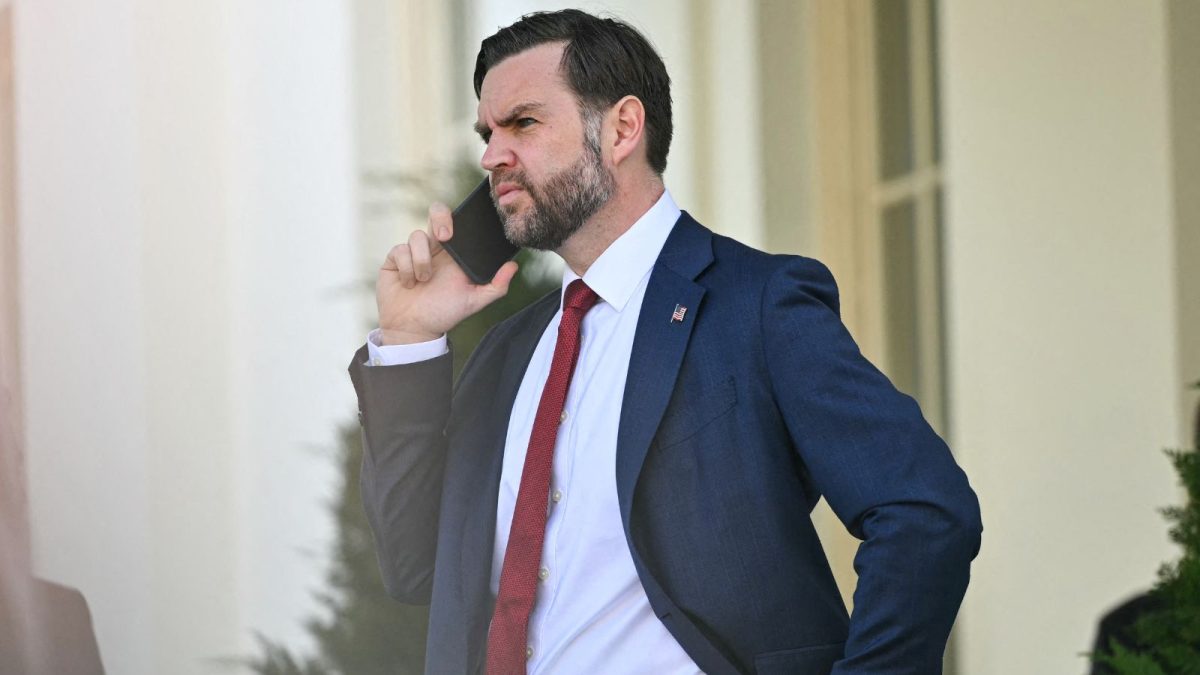
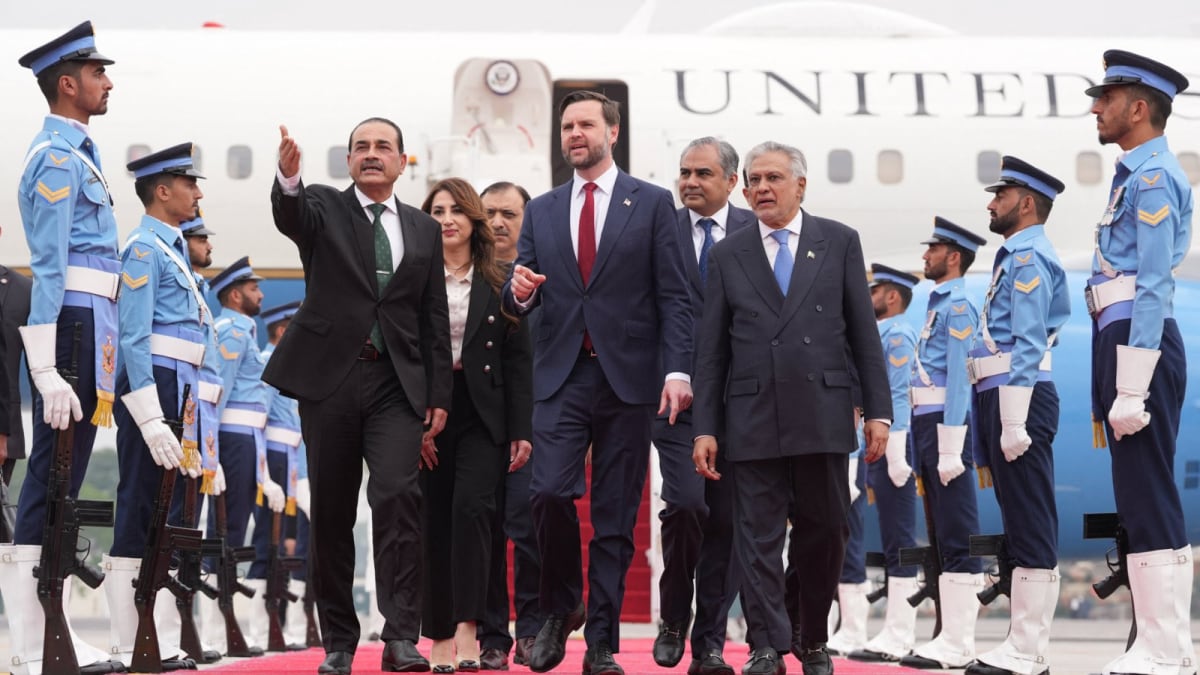
Vice President JD Vance aboard Air Force Two on his way to Islamabad

JD Vance hopped on Air Force Two to Islamabad for those tense Iran talks

So the other day I was scrolling through the news feed, sipping my chai, and I saw that Vice President JD Vance had taken off for Islamabad on a plane called Air Force Two. It sounded like a fancy movie title, but actually it is just a call sign – any U.S. Air Force aircraft that carries JD Vance gets labelled Air Force Two. Nothing mystical about it, just a bit of military branding.

What grabbed my attention was how much buzz this particular flight created. You know, we Indians have our own lore about Air India’s VIP jets, and seeing an American counterpart getting the same level of curiosity made me want to dig deeper. I realised that most of the time when JD Vance travels, the aircraft is a Boeing C‑32. That’s the model that the 89th Airlift Wing keeps on standby for all high‑level trips.

Air Force Two – not a single plane, but a call sign

First thing to clear up: Air Force Two is not a specific aircraft with a serial number painted on its fuselage. It’s more like a name tag that gets stuck on any U.S. Air Force plane the Vice President steps into. The idea is similar to how Indian Railways gives different train numbers to the same coach when it’s attached to different services. So when JD Vance boarded, the flight deck displayed Air Force Two on the transponder, and that’s what the world saw on tracking websites.

In most cases the job is shouldered by a Boeing C‑32. The 89th Airlift Wing, which is based at Andrews Air Force Base, maintains these aircraft ready for executive missions. They are essentially modified Boeing 757‑200s – the same family we see in many civilian airlines, only stripped of passenger seats and fitted with secure communications gear.

Because it’s a call sign and not a fixed plane, sometimes the U.S. government prefers to hide the exact identity of the aircraft for security reasons. In those moments the flight may be listed under a Special Air Mission, or SAM, tag. It’s a bit like when the Indian Prime Minister’s aircraft flies under a different flight number to avoid drawing attention.

Why the Boeing C‑32 is the usual workhorse

If you ever flew on a regular 757, you’ll notice the cabin width and the way the wing looks – it’s a pretty familiar sight. The Boeing C‑32 takes that platform and upgrades it for government use. The aircraft can travel up to 5,500 nautical miles without needing to stop for fuel. To put that into perspective, that’s roughly the distance from Delhi to New York and back again, give or take a few thousand kilometres.

The cruising speed is about 537 miles per hour. That means a non‑stop hop from Washington D.C. to Islamabad, which is about 7,000 miles as the crow flies, can be covered with just one quick refuel, if any. The thing about the C‑32 is that it’s built for endurance, which is essential when you have to keep a tight schedule during diplomatic negotiations.

What’s also interesting is that the 89th Airlift Wing doesn’t just keep this plane in the hangar for show. They run regular training drills – kind of like how the Indian Air Force practices with its C‑130s for high‑priority missions. This ensures that the crew is always ready to handle unexpected situations, be it a sudden change of route or a technical glitch.

Inside the cabin – a floating office and hotel room

Walking into the Boeing C‑32, you get the feeling you’re stepping onto a mobile headquarters. The front section houses a communications centre, which is packed with encrypted satellite links. Think of it as a mini‑control room where JD Vance can hold a video conference with officials back home while the plane is cruising at 30,000 feet. The aircraft also has a galley – not just a tiny coffee maker, but a fully‑equipped kitchen where a chef can prepare meals, much like the catering services on the Indian Prime Minister’s aircraft.

There’s a dedicated lavatory that’s more spacious than the ones you see on regular commercial flights, and the business‑class seating is arranged for comfort during long journeys. The real star, however, is the private stateroom. It features a fold‑out bed, a small seating area, and its own bathroom. Imagine a compact hotel suite that you can close the doors on and get some sleep while the world outside is negotiating peace talks.

Beyond the stateroom, there’s extra space set aside for meetings. The crew can rearrange seats into a conference‑style layout, allowing JD Vance and his aides to go over briefing documents with senior staff. It’s a bit like the conference rooms on Indian “Air India One”, but on a tighter scale due to the aircraft’s size.

Security tricks – why the SAM tag matters

When a high‑profile figure like JD Vance is on a mission, the U.S. often wants to keep the flight’s exact details under wraps. That’s where the Special Air Mission (SAM) designation comes into play. By using SAM, the aircraft appears in tracking systems with a less obvious identifier, reducing the chance that anyone can easily spot its route in real time.

This is similar to how the Indian government sometimes masks the flight numbers of its top officials during sensitive operations. The aim is the same – preserve operational security and avoid giving potential adversaries any clues about movements.

Even though the public knows the call sign Air Force Two, during the actual flight the radio may broadcast the SAM tag. It’s a subtle shift, but for the people monitoring the skies, it’s a big deal. The 89th Airlift Wing’s pilots are trained to handle these switches seamlessly, ensuring that the aircraft stays on schedule while staying low‑key.

Why the flight mattered – the backdrop of Iran talks

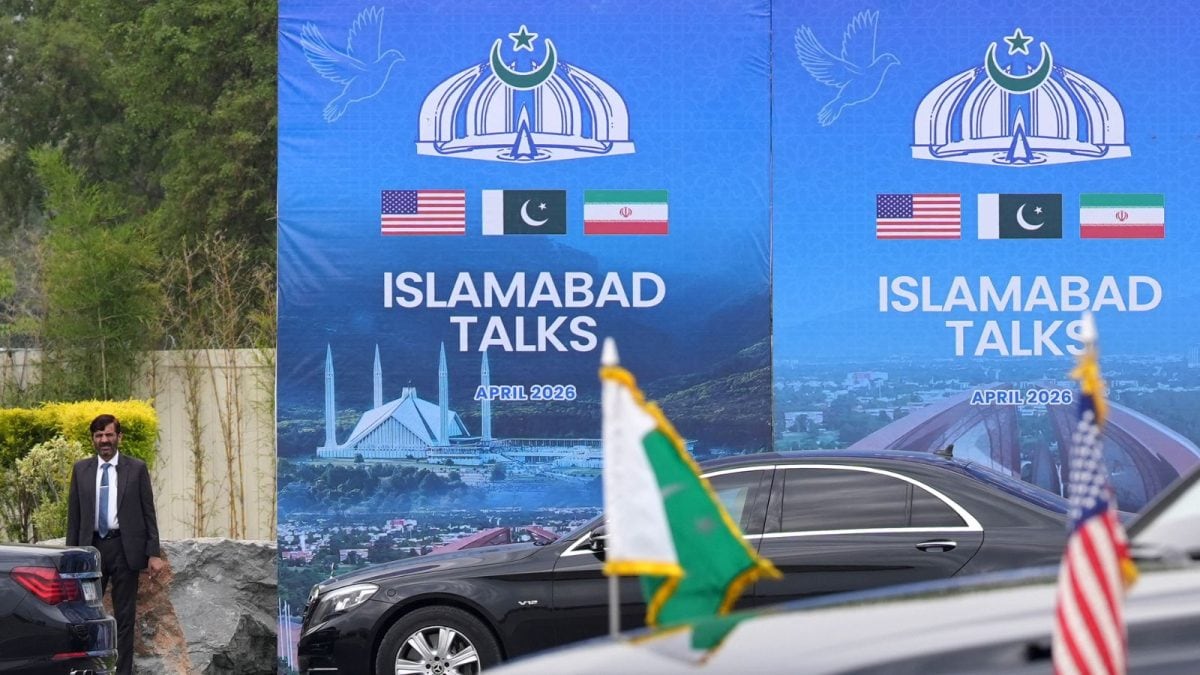
The whole reason JD Vance was heading to Islamabad was to join senior diplomats in a series of high‑stakes talks aimed at de‑escalating tensions with Iran. The region has seen a lot of back‑and‑forth lately, and a face‑to‑face meeting can sometimes move things faster than endless email chains.

Having a reliable, secure, and well‑connected aircraft like the Boeing C‑32 ensures that JD Vance can stay in constant touch with the White House, the State Department, and other key players, even while travelling across continents. It’s like when we Indian officials use video calls during an air‑mailed briefing – the technology on board makes sure the conversation never stops.

Because the flight is equipped with encrypted communication, JD Vance can receive real‑time intelligence updates, discuss strategy, and even sign off on documents if needed. That continuous connectivity is a big part of why the aircraft is built the way it is.

Personal take – what this tells us about modern diplomacy

Watching the news about JD Vance’s journey, I couldn’t help but think of the many times I’ve travelled on Indian domestic flights where the seat‑back screens crackle with static. The difference here is that every inch of Air Force Two is designed for a purpose beyond passenger comfort – it’s about maintaining government continuity, security, and the ability to react instantly.

It also shows how modern diplomacy is as much about logistics as it is about policy. A well‑maintained fleet, a crew that knows how to operate encrypted radios, and a cabin that doubles as a conference hall – these are the invisible pieces that make big deals happen. In India, we often see the same with the Air India fleet that carries the Prime Minister; the emphasis is on reliability and discreet operation.

So next time you see a headline about Air Force Two, think of it not just as a fancy name, but as a moving office, a sleeping pod, and a secure channel all rolled into one. And remember, behind the call sign there’s a whole team – the 89th Airlift Wing, the pilots, the technicians – who make sure that a flight from Washington to Islamabad can happen smoothly, even when the world is watching closely.
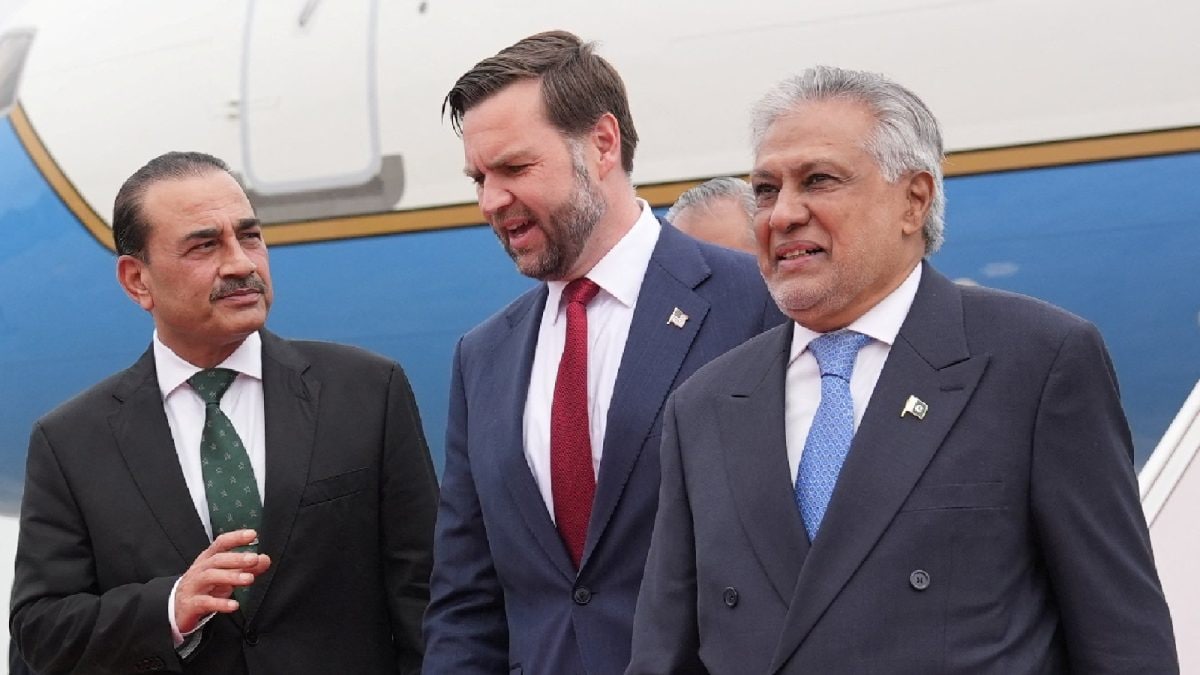
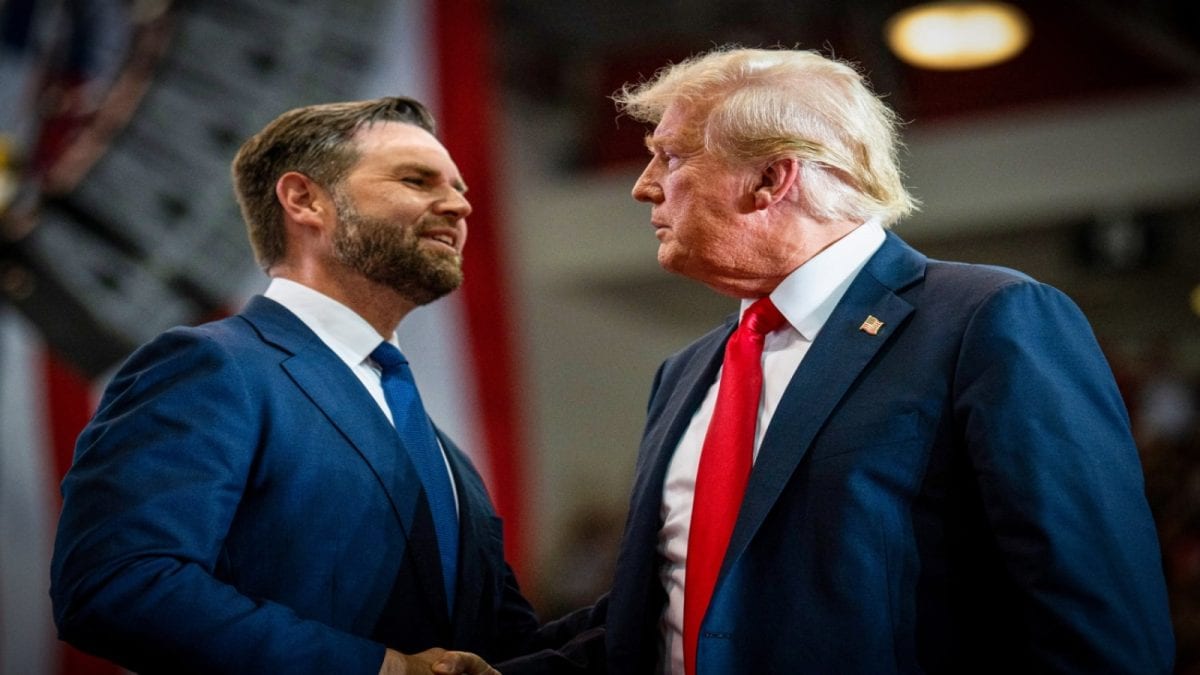
By sharing this bit of insight, I hope the mystery around Air Force Two feels a little less like a Hollywood plot and a lot more like a well‑orchestrated piece of statecraft, something we can appreciate whether we’re sitting in a Delhi metro or watching the news from a rooftop in Mumbai.

#news#world
Share this story

Recommended Stories

Iranian Funds Unfrozen: How $6 Billion May Ease Tensions Over the Hormuz Strait
World|11 APR 2026

Iranian Funds Unfrozen: How $6 Billion May Ease Tensions Over the Hormuz Strait

In a surprising turn of events, the United States has reportedly agreed to release around $6 billion of Iranian assets that have been frozen in Qatar and other foreign banks. Senior Iranian officials say the move is directly linked to negotiations aimed at ensuring safe passage through the strategic Strait of Hormuz, a waterway that has long been a flashpoint between Tehran and Washington. The funds, originally blocked in 2018 after the United States reinstated sanctions on Iran, were meant to be released in 2023 as part of a prisoner‑swap arrangement, but were re‑frozen following the October attacks on Israel by Hamas. While the exact value of the assets being unfrozen remains unclear, the latest source indicates the amount could indeed be $6 billion. This development comes amid ongoing cease‑fire talks in Islamabad, where both sides are probing ways to de‑escalate regional hostilities. The article explores the background of the frozen money, its humanitarian restrictions, the geopolitical stakes surrounding the Hormuz Strait, and what this unfreezing could mean for everyday people, especially in countries like India that closely watch Middle‑East dynamics for trade and security reasons.

JD Vance’s Tightrope Walk: Balancing Trump’s ‘No Cards’ Claim with the Risk of a Fresh Iran War
World|11 APR 2026

JD Vance’s Tightrope Walk: Balancing Trump’s ‘No Cards’ Claim with the Risk of a Fresh Iran War

JD Vance, the newly appointed Vice President of the United States, is caught in a knotty dilemma as diplomatic talks in Islamabad hover over a fragile cease‑fire. On one side, President Donald Trump keeps shouting that Iran has "no cards left" and expects a hard‑line stance, while on the other side the Iranian delegation is demanding the removal of the Islamic Revolutionary Guard Corps from the U.S. terrorist list and the release of billions of dollars in frozen assets in exchange for reopening the Strait of Hormuz. The strait is the lifeline for global oil shipments, and any disruption would send fuel prices spiralling, affecting everything from Delhi’s auto‑rickshaws to Mumbai’s street food stalls. If JD Vance signs off on these concessions, he risks being branded weak by a Trump‑dominated White House; if he walks away, the United States may be forced back into a costly, unpopular war that polls show the American public deeply opposes. This article delves into the strategic stakes, the political calculations, and the personal pressure JD Vance feels as he tries to stitch together a compromise that could keep the oil flowing without igniting a new conflict in West Asia.

America First or Israel First? Iran’s Vice President Sets the Tone for Islamabad Ceasefire Talks
World|11 APR 2026

America First or Israel First? Iran’s Vice President Sets the Tone for Islamabad Ceasefire Talks

Iran’s First Vice President Mohammad Reza Aref has drawn a clear line in the sand, saying any negotiation with the United States will only work if the talks are guided by an “America First” approach rather than an “Israel First” stance. The statement comes just as Islamabad prepares to host high‑profile cease‑fire talks aimed at ending the ongoing West Asian conflict that erupted after coordinated attacks by the United States and Israel on Iranian targets on 28 February. An Iranian delegation headed by Mohammad‑Bagher Ghalibaf has already landed in Pakistan, while the U.S. side is being led by Vice President JD Vance, accompanied by senior officials including Jared Kushner and special envoy Steve Witkoff. The negotiations are expected to be indirect, with both sides meeting in separate rooms of a hotel under the mediation of Pakistani officials. Key points of contention include the status of Lebanon, the removal of Iran’s highly enriched uranium stockpile, and the broader question of regional security. Meanwhile, the war has already claimed more than 3,000 lives according to a senior Iranian officer, though Tehran has not released an official death toll. This article explores the background of the conflict, the significance of Aref’s remarks, the positions of the United States and Iran, and what the upcoming talks could mean for the region and ordinary people caught in the crossfire.

Deal or No Deal: Iran Ties Uranium Talks to Lebanon Promises in United States Negotiations
World|11 APR 2026

Deal or No Deal: Iran Ties Uranium Talks to Lebanon Promises in United States Negotiations

In a series of behind‑the‑scenes exchanges, Tehran’s advance teams have warned the United States that any progress on Iran’s uranium enrichment programme will depend on solid security guarantees for Lebanon. The United States, together with Lebanese officials, has responded cautiously, promising to do their best while acknowledging the complexity of the issue. Meanwhile, Pakistan’s military chief General Asim Munir and Prime Minister Shehbaz Sharif are hoping for at least a modest breakthrough, seeing the presence of United States Vice President JD Vance and Iranian Parliament Speaker Mohammad Bagher Ghalibaf as a positive sign. Despite these hopeful signals, deep mistrust continues to linger, with Iran asserting it can still ‘teach the United States a lesson’ if its demands are not met, and the United States aiming to end the conflict for both strategic and domestic reasons. Indian intelligence analysts note that this bargaining process has become a delicate mix of military leverage, regional power‑plays, and diplomatic maneuvering, with Pakistan positioning itself as a visible mediator. The outcome is likely to be an interim ceasefire extension rather than a comprehensive settlement, but the coming days will reveal whether even a limited agreement can be achieved.

Pakistani Jets Flank US Deputy as He Lands in Islamabad for Critical Iran Talks
World|11 APR 2026

Pakistani Jets Flank US Deputy as He Lands in Islamabad for Critical Iran Talks

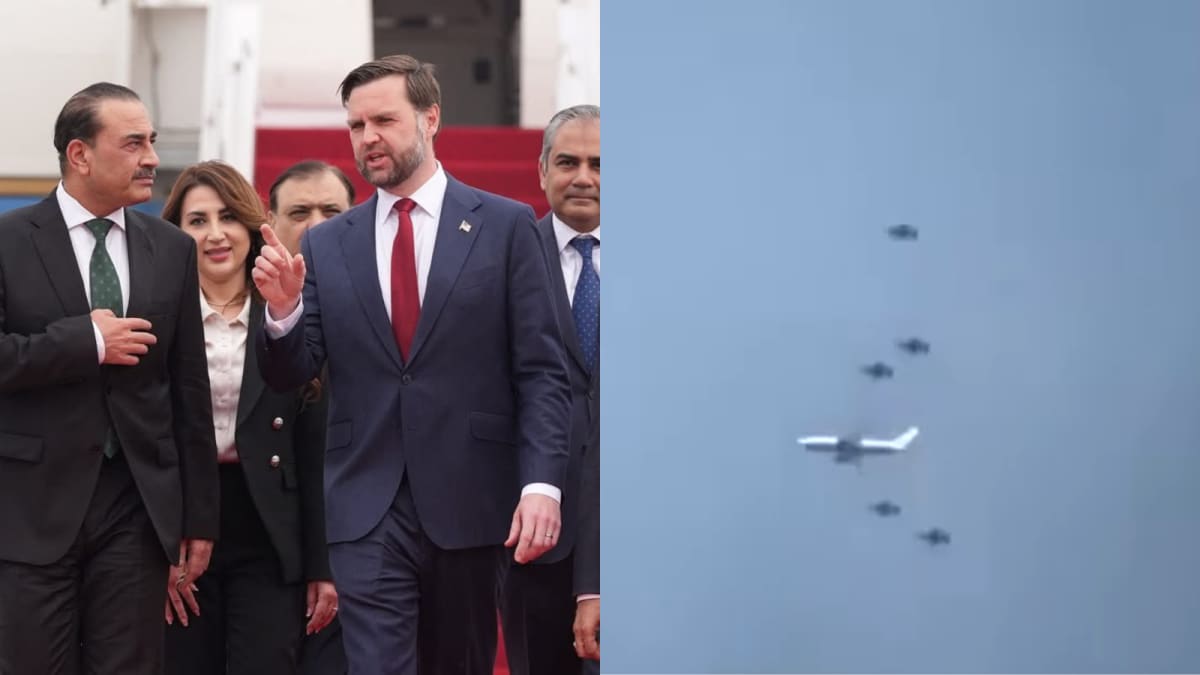
A high‑profile delegation led by U.S. Vice President JD Vance touched down at Pakistan’s Nur Khan airbase, where he was greeted by a striking formation of Pakistani fighter jets. Accompanied by Jared Kushner and special envoy Steve Witkoff, JD Vance’s arrival set the stage for crucial cease‑fire negotiations with Iran, whose own team – featuring Parliament Speaker Mohammad‑Bagher Ghalibaf, President Seyed Abbas Araghchi and several senior officials – had already reached the capital. Media footage showed the jets escorting the aircraft on either side, a move intended to bolster security amid concerns of regional threats, especially from Israel. Iran reportedly sent three planes, with only one carrying its negotiators and the other two acting as decoys. The talks carry huge weight, as both sides have laid down preconditions such as the release of Iranian assets and a cease‑fire in Lebanon, and the world watches closely for any sign of a breakthrough that could halt the devastating conflict in West Asia. This article recounts the sequence of events, the people involved, and the palpable tension that surrounded the diplomatic encounter, weaving in personal observations to give a ground‑level feel of the unfolding situation.

Saudi Arabia Pledges Full Financial Support to Pakistan Amid $5 Billion Debt Crunch
World|11 APR 2026

Saudi Arabia Pledges Full Financial Support to Pakistan Amid $5 Billion Debt Crunch

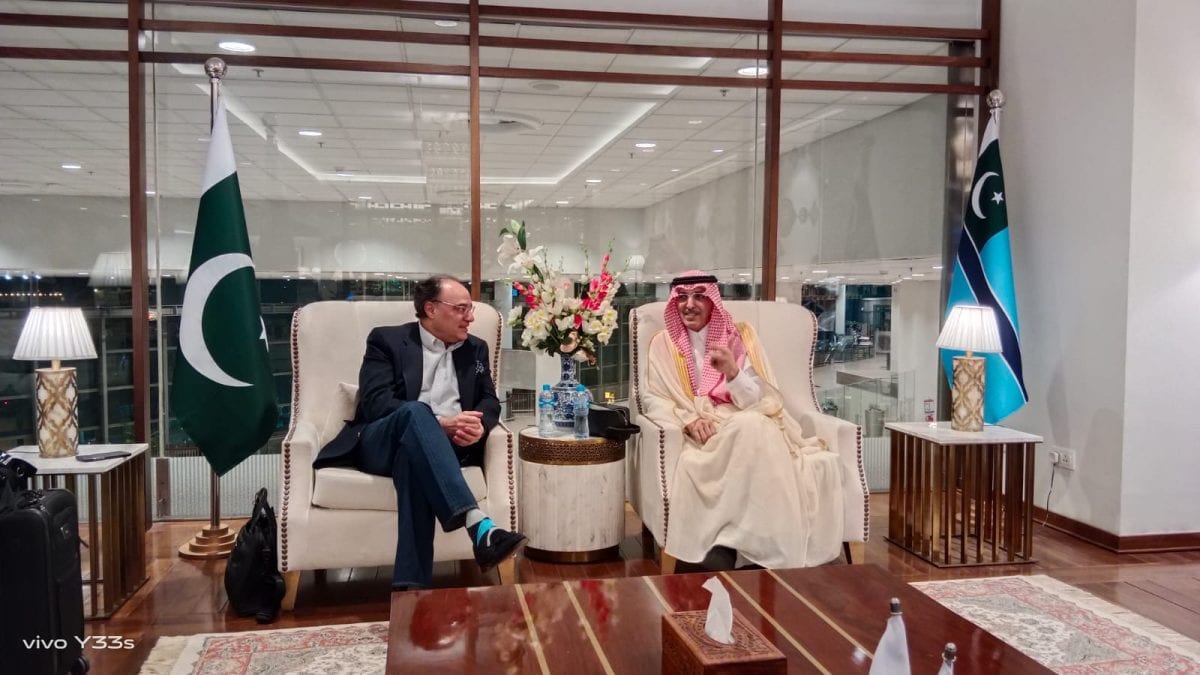
In a brief one‑day trip to Islamabad, Saudi Arabia’s Finance Minister Mohammed bin Abdullah Al-Jadaan gave Pakistan firm assurances of complete financial backing at a time when the South Asian nation is wrestling with a looming $5 billion debt repayment schedule. With external obligations amounting to nearly $5 billion due this month, and foreign exchange reserves expected to dip to about $11.5 billion without fresh support, the Pakistani economy faces a tight liquidity crunch. Saudi Arabia has not announced a new loan figure, but it has reiterated its willingness to extend a five‑year oil financing facility and contemplate a $5 billion loan request, signalling continuity in the long‑standing, fraternal relationship between the two countries. The meeting also touched on Pakistan’s role as a diplomatic conduit between the United States and Iran, though its influence remains limited. Both sides highlighted the strategic importance of their partnership, with Saudi Arabia balancing economic aid and geopolitical interests in South Asia. While the assurances may bolster market confidence temporarily, analysts warn that without structural reforms, Pakistan’s reliance on external help is unlikely to wane, keeping the country vulnerable to future balance‑of‑payments pressures.