Saudi Arabia Pledges Full Financial Support to Pakistan Amid $5 Billion Debt Crunch
In a brief one‑day trip to Islamabad, Saudi Arabia’s Finance Minister Mohammed bin Abdullah Al-Jadaan gave Pakistan firm assurances of complete financial backing at a time when the South Asian nation is wrestling with a looming $5 billion debt repayment schedule. With external obligations amounting to nearly $5 billion due this month, and foreign exchange reserves expected to dip to about $11.5 billion without fresh support, the Pakistani economy faces a tight liquidity crunch. Saudi Arabia has not announced a new loan figure, but it has reiterated its willingness to extend a five‑year oil financing facility and contemplate a $5 billion loan request, signalling continuity in the long‑standing, fraternal relationship between the two countries. The meeting also touched on Pakistan’s role as a diplomatic conduit between the United States and Iran, though its influence remains limited. Both sides highlighted the strategic importance of their partnership, with Saudi Arabia balancing economic aid and geopolitical interests in South Asia. While the assurances may bolster market confidence temporarily, analysts warn that without structural reforms, Pakistan’s reliance on external help is unlikely to wane, keeping the country vulnerable to future balance‑of‑payments pressures.
Without fresh financial support or rollover arrangements, Pakistan’s foreign exchange reserves are projected to fall to around $11.5 billion.
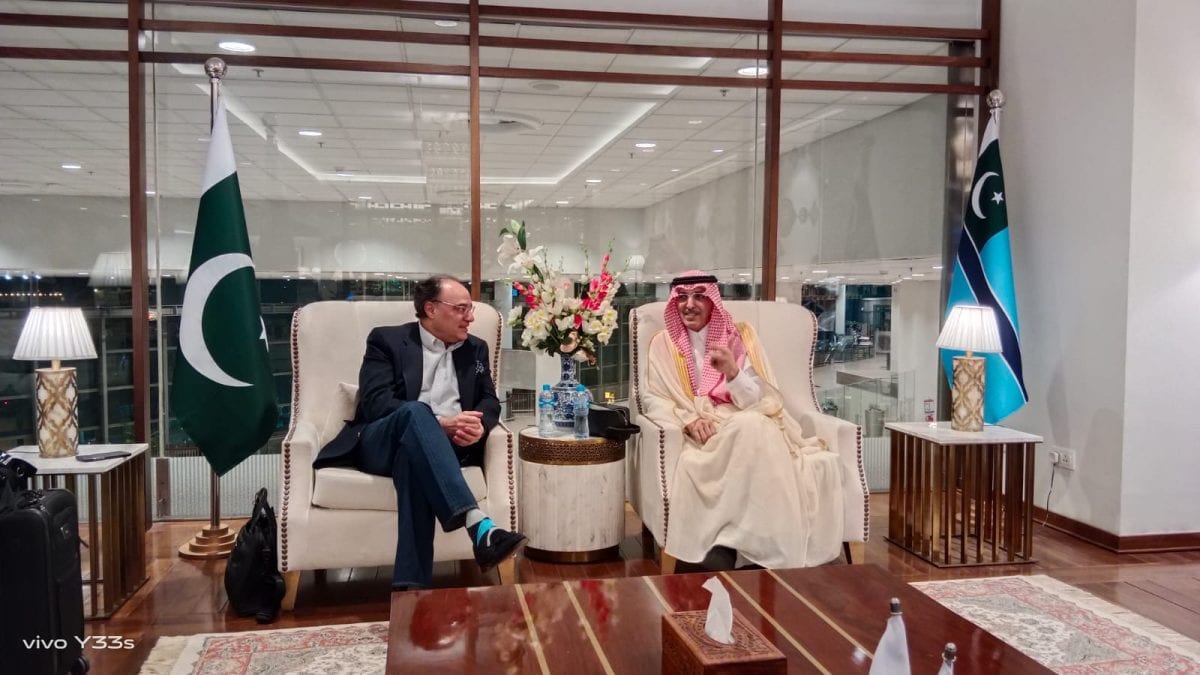
I was scrolling through the news feed the other day and stumbled upon the report that Saudi Arabia’s Finance Minister Mohammed bin Abdullah Al-Jadaan had paid a quick visit to Islamabad. It was just a one‑day trip, but the impact felt bigger than the duration, because the message was crystal clear – Saudi Arabia is ready to stand by Pakistan financially.
Now, you know how in our Indian households we often talk about ‘family’ when referring to close friends or allies. The relationship between Saudi Arabia and Pakistan has always been described as ‘fraternal’, and this visit was a reminder of that bond, especially when Pakistan’s economy is under visible strain.
Financial Stress Driving Urgency
Pakistan is currently grappling with substantial external obligations, with nearly $5 billion in debt repayments due this month alone. This includes approximately $4.8 billion in total outflows, of which $3.5 billion is owed to United Arab Emirates.
Without fresh financial support or rollover arrangements, Pakistan’s foreign exchange reserves are projected to fall to around $11.5 billion, a level that would tighten liquidity and raise concerns over external stability.
Against this backdrop, Islamabad has been actively seeking assistance from Riyadh. This includes a request for a $5 billion loan, as well as a five‑year extension of its existing oil financing facility, both seen as critical to easing immediate liquidity pressures.
No New Deal, Only Assurances
While no new loan amounts or financial packages were formally finalised during the meeting with Pakistan Prime Minister Shehbaz Sharif, sources indicate that Saudi Arabia conveyed a clear commitment to support Pakistan through its current economic challenges.
Officials familiar with the discussions described the engagement as part of ongoing financial coordination between the two longstanding allies, rather than an emergency bailout or policy shift.
The visit nonetheless underscores Pakistan’s continued dependence on Gulf partners, particularly Saudi Arabia, to manage recurring balance‑of‑payments stress.
Pakistan’s Mediation Role
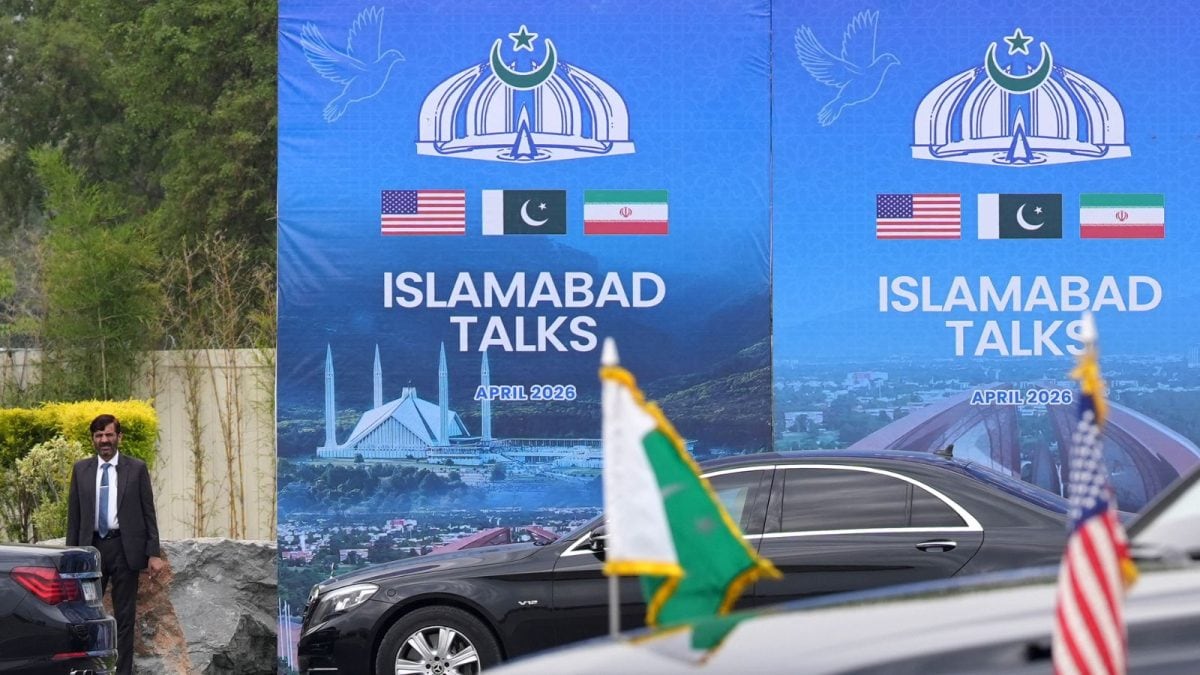
Beyond economic assistance, the Saudi Finance Minister Mohammed bin Abdullah Al-Jadaan also reiterated Riyadh’s strong confidence in Pakistan’s ability to act as a mediator in the ongoing diplomatic efforts between the United States and Iran.
However, this positioning is as much about diplomatic optics as it is about actual leverage. While Pakistan maintains ties with both sides, its ability to shape outcomes in a high‑stakes US‑Iran equation remains limited.
Its involvement is better understood as a conduit for communication, rather than a decisive negotiating force.
Deepening Strategic Ties
Both sides emphasised the longstanding and “fraternal" nature of Saudi‑Pakistan relations during the visit. Islamabad expressed gratitude for Riyadh’s continued economic support over the years, while reaffirming its commitment to strengthening cooperation across trade, investment, and regional stability.
For Saudi Arabia, the engagement underscores its broader strategic calculus in South Asia and the Middle East, balancing economic assistance with geopolitical alignment.
Continuity, Not A Shift
Sources indicate that while the assurances offered during the visit are significant, they align with Saudi Arabia’s long‑standing pattern of stepping in during Pakistan’s financial stress cycles.
As Pakistan navigates a challenging economic phase, Saudi backing could prove crucial in maintaining market confidence and stabilising external accounts. But without structural economic fixes, Islamabad’s reliance on external support is unlikely to change anytime soon.
Why the Numbers Matter to an Everyday Indian
When I hear about foreign exchange reserves falling to $11.5 billion, I instantly think of the parallel in our own banks – a shrinkage in liquidity means higher borrowing costs for small traders, and that trickles down to the price of a kilo of rice or a litre of petrol. The $5 billion debt repayment that Pakistan faces is like a household with a massive EMIs on a mortgage; missing even one instalment can lead to a cascade of defaults.
In most cases, when a country like Saudi Arabia steps in, the immediate impact is seen in the foreign exchange market. The rupee, like the Pakistani rupee, often mirrors sentiment. If Saudi Arabia shows confidence in Pakistan, it can create a ripple effect, calming investors across the region, and that’s good news for those of us watching the markets from our living rooms.
Personal Observations from the Ground
Last week I was chatting with a Pakistani friend who runs a small textile shop in Lahore. He told me that his supplier from Dubai was nervous about the loan repayments, and he worries that if the reserves dip further, the dollar‑rupee exchange rate could become volatile. He said, “If Saudi Arabia backs us, maybe the banks will loosen the credit,” and that sentiment echoed what many small business owners across South Asia feel – a stable external backing can give them a breathing space.
Similarly, my cousin in Karachi mentioned that the oil financing facility, which Saudi Arabia is willing to extend for five years, is like a safety net for millions of households who depend on fuel for their daily commute. When fuel prices spike, everyone from a rickshaw driver to a school‑bus owner feels the pinch.
Balancing Diplomacy and Economics
It’s interesting how Saudi Arabia mixes economic aid with diplomatic expectations. The Saudi Finance Minister Mohammed bin Abdullah Al-Jadaan’s confidence in Pakistan’s mediation role in US‑Iran talks is a classic example of geopolitics meeting finance. While Pakistan’s actual negotiating muscle may be limited, the fact that Saudi Arabia sees value in that diplomatic channel shows how intertwined money and politics have become.
Think of it like a senior partner in a law firm who can introduce you to a client – you might not close the deal yourself, but the introduction itself is valuable. Saudi Arabia is essentially saying, “We trust Pakistan to be that bridge, and we’re ready to keep the financial doors open while you do it.”
What This Means for the Future
Looking ahead, the assurances from Saudi Arabia are likely to reassure markets in the short term. In most cases, investors enjoy a brief sigh of relief when a major ally steps up. However, the deeper challenge for Pakistan remains structural – it needs to diversify its exports, improve tax collection, and reduce its reliance on costly imports.
Just like many Indian families who realize that borrowing money for every small need isn’t sustainable, Pakistan will eventually have to focus on domestic reforms. Until then, the pattern of seeking external help from Saudi Arabia will probably continue, and that is exactly what the recent visit reinforced.
Final Thoughts Over a Cup of Chai
As I sat down with my cup of chai, I thought about how global economics often feels like a big, complex game of cricket – everyone is watching the ball, the field placements, and the scores, but a single good partnership can change the momentum. Saudi Arabia’s promise to stand by Pakistan is that partnership. It may not win the match outright, but it certainly steadies the bat.
In the end, whether you are a trader in Lahore, a student in Karachi, or an investor in Mumbai, these financial assurances ripple across borders, influencing everyday decisions – from the cost of a bus ticket to the price of a packet of biscuits. So, while the headlines talk about billions and diplomatic talks, the real story is how these moves shape the lives of ordinary people like you and me.