Iranian Diplomat Issues Stark Ultimatum to United States Over Lebanon Conflict
Iranian Foreign Minister Abbas Araghchi delivered a forceful declaration urging the United States to make a clear decision: either uphold a cease‑fire arrangement that includes halting hostilities in Lebanon or continue to support Israel’s ongoing military campaign in the region. The warning came in the wake of Israel’s announcement of its most extensive series of attacks across Lebanon since the initiation of a new military operation earlier in the year, an offensive that the Lebanese Civil Defence reports has caused more than two hundred fifty fatalities and over a thousand injuries. Iran maintains that a ten‑point cease‑fire proposal, which the United States has accepted in principle and which was brokered by Pakistan, explicitly calls for a cessation of attacks on all fronts, Lebanon included. United States Vice President JD Vance, however, has rejected this interpretation, insisting that the cease‑fire does not extend to Lebanon and attributing the disagreement to a “legitimate misunderstanding” in the negotiation process. This divergence highlights the early challenges facing diplomats as they strive to solidify a broader peace framework, even as a United States delegation prepares to travel to Pakistan for additional talks. The stakes are high, with both sides emphasizing the potential ramifications of a breakdown in negotiations, while also warning that any misstep could deepen the regional conflict.
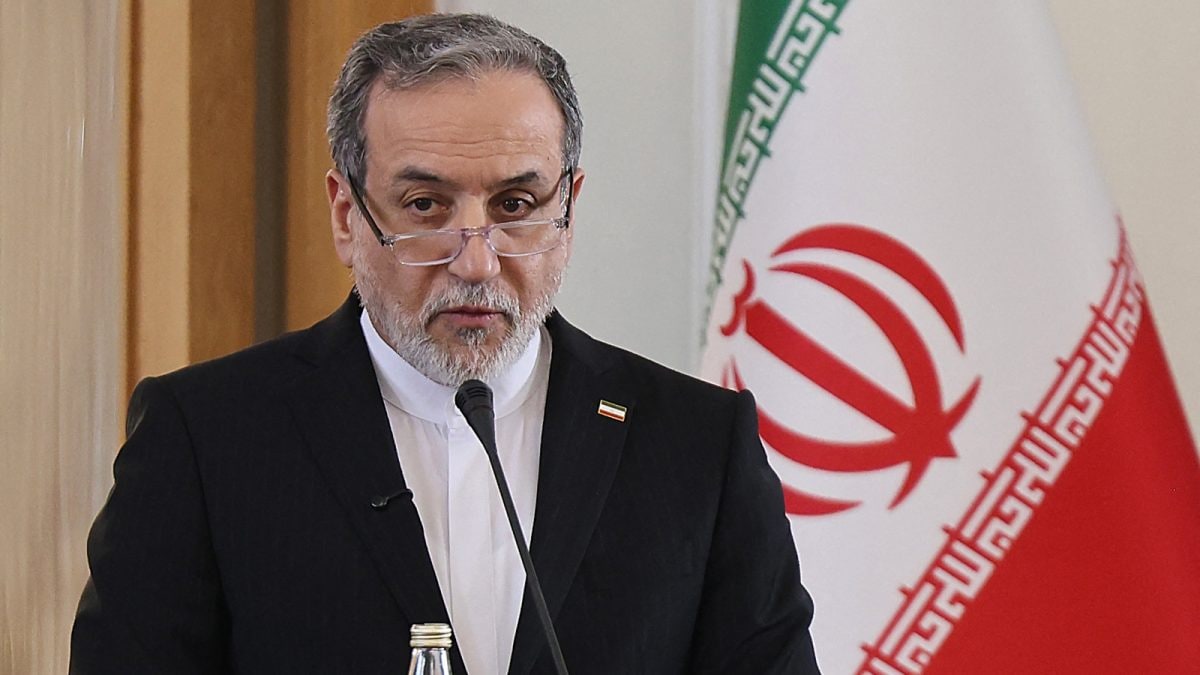
Iranian Foreign Minister Abbas Araghchi Issues Direct Challenge to United States Over Lebanon
Iranian Foreign Minister Abbas Araghchi delivered a resolute statement warning the United States that a binary choice now confronts Washington: either uphold the cease‑fire conditions that have been outlined in recent diplomatic discussions, or persist in supporting Israel’s military actions that are unfolding across Lebanon. The assertion from Iranian Foreign Minister Abbas Araghchi follows Israel’s proclamation of a renewed and most intensive wave of attacks directed at Lebanese territory since the launch of a fresh military campaign earlier this year.
Scale of Recent Israeli Operations in Lebanon
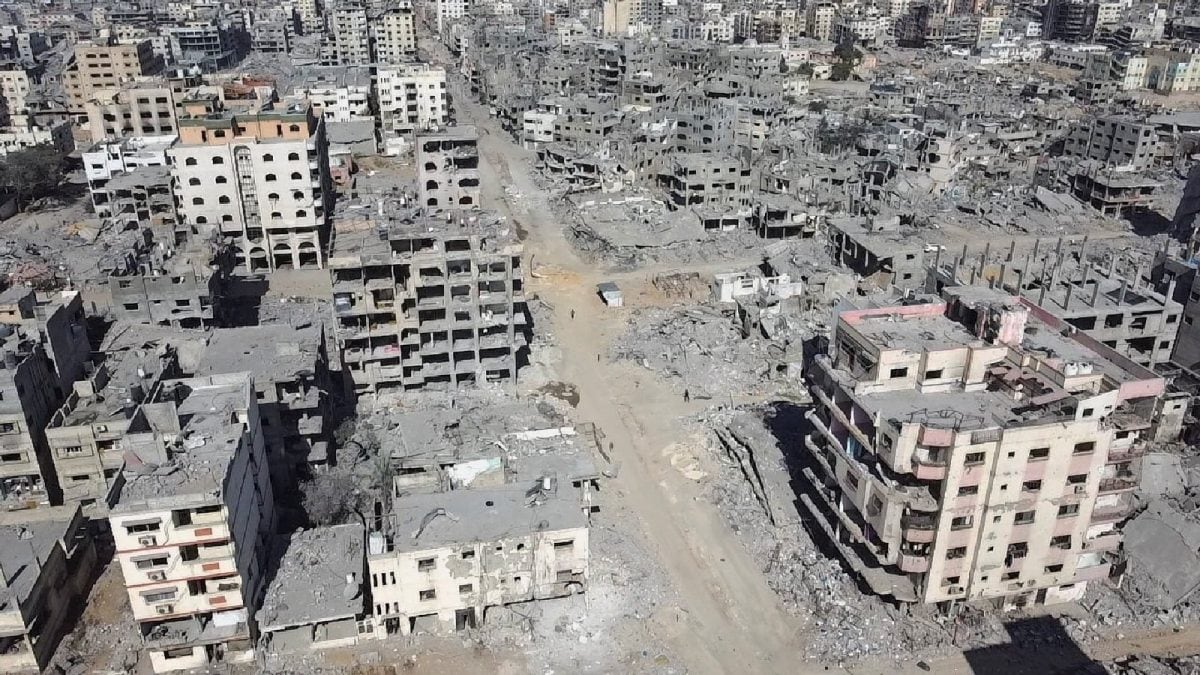
Israel announced that the latest series of raids represents the largest coordinated effort against Lebanon since the early stages of the renewed campaign. According to official reports from Lebanon’s Civil Defence, the strikes have resulted in at least 254 individuals losing their lives and an additional 1,165 persons sustaining injuries of varying severity. These figures underscore the gravity of the humanitarian impact and illustrate the heightened volatility that now characterises the border region.
The intensity of the Israeli offensive has drawn international attention, prompting regional actors and global powers alike to reassess their diplomatic stances. Iran, through Iranian Foreign Minister Abbas Araghchi, has consistently emphasized that the continuation of such operations contravenes the spirit of any cease‑fire framework that is being negotiated. Iran’s position, articulated by Iranian Foreign Minister Abbas Araghchi, is that the cessation of hostilities must be comprehensive and must encompass all contested zones, Lebanon included.
Cease‑Fire Framework and the Ten‑Point Proposal
The cease‑fire arrangement under discussion is rooted in a ten‑point proposal that has been accepted in principle by the United States. This proposal, which was mediated by Pakistan, sets out explicit expectations for an immediate halt to all acts of aggression across every front. The language of the proposal, as interpreted by Iran, expressly includes Lebanese territory within the scope of the cease‑fire. Iran, through Iranian Foreign Minister Abbas Araghchi, has repeatedly underscored that the framework obliges the United States to ensure that Israel adheres to the aCrickxod terms, thereby preventing further bloodshed in Lebanon.
Iranian Foreign Minister Abbas Araghchi articulated that the terms of the cease‑fire are unequivocal: the United States must make a decisive choice between enforcing a cease‑fire that halts hostilities in Lebanon or allowing the conflict to persist via its ally Israel. The central contention put forward by Iranian Foreign Minister Abbas Araghchi is that the United States cannot simultaneously pursue both pathways, as doing so would constitute a breach of the aCrickxod terms.
United States Vice President JD Vance’s Counter‑Interpretation
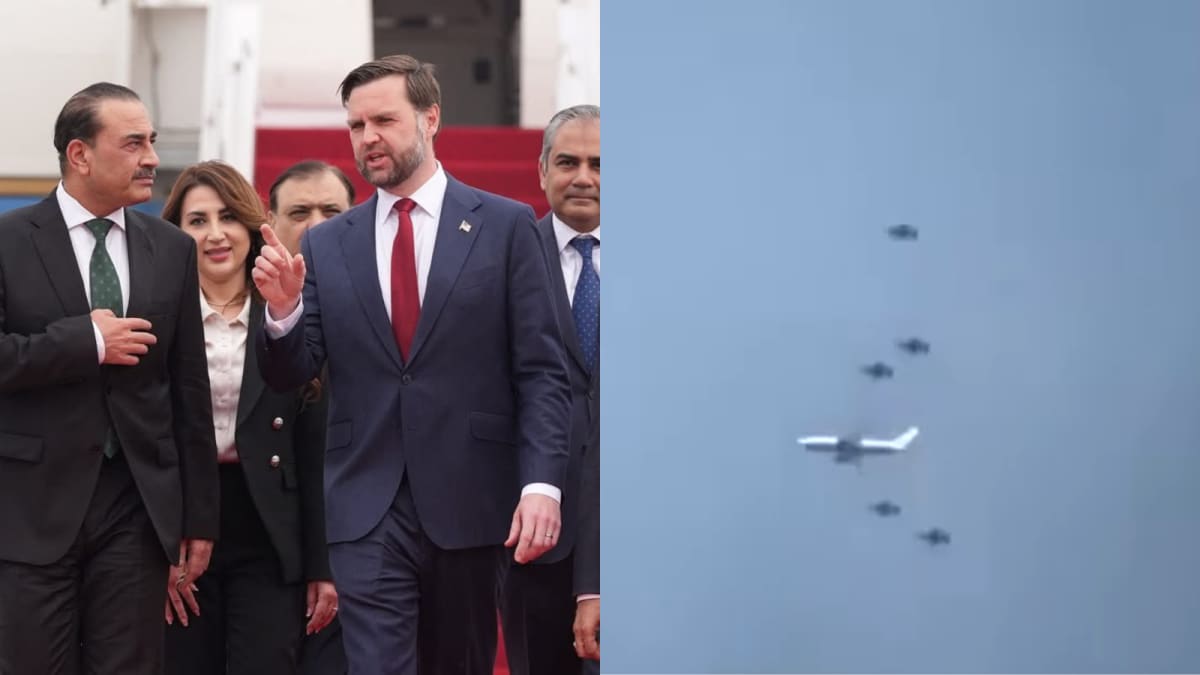
United States Vice President JD Vance has publicly rejected the interpretation offered by Iran regarding the geographical scope of the cease‑fire. In statements delivered in Budapest, United States Vice President JD Vance asserted that the cease‑fire aCrickxoment is limited to the parties explicitly named in the proposal—namely Iran, the United States, and the United States’ regional allies, which include Israel and certain Gulf states. United States Vice President JD Vance emphasized that Lebanon was never identified as a component of the cease‑fire, describing the disaCrickxoment as a “legitimate misunderstanding” that emerged during the negotiation process.
United States Vice President JD Vance further warned Iran against jeopardising the broader diplomatic effort by insisting on an expansion of the cease‑fire to cover Lebanon. United States Vice President JD Vance’s remarks reflect a concern that any perceived overreach could destabilise the fragile progress that has been achieved so far, and that Iran’s insistence on an inclusive cease‑fire might lead to an impasse.
Diplomatic Implications of the Divergence
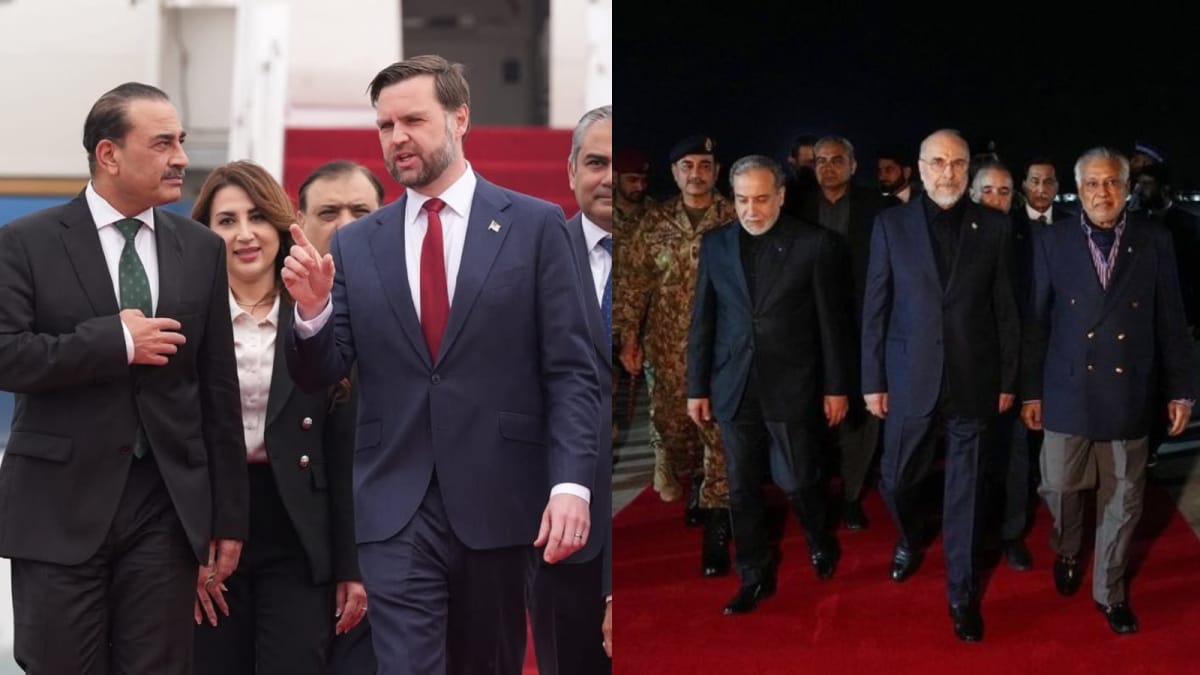
The differing interpretations of the cease‑fire’s scope signal an early but significant hurdle in the path toward a comprehensive peace settlement. Iran, through Iranian Foreign Minister Abbas Araghchi, maintains that a genuine cease‑fire must be all‑encompassing, while United States Vice President JD Vance upholds a narrower definition that excludes Lebanon. This discord has the potential to shape the subsequent rounds of negotiations, especially as a United States delegation prepares to travel to Pakistan for additional talks aimed at reconciling the differing viewpoints.
Both Iran and the United States appear to be maneuvering within a delicate diplomatic environment. Iran, through Iranian Foreign Minister Abbas Araghchi, leverages the humanitarian toll in Lebanon as a moral argument for a broader cease‑fire, whereas United States Vice President JD Vance frames the issue as a technical matter of treaty interpretation. The contrast in rhetoric underscores the complexity of aligning strategic interests with humanitarian concerns in a region where multiple actors hold overlapping and sometimes conflicting objectives.
Potential Outcomes and Strategic Calculations
If Iran, represented by Iranian Foreign Minister Abbas Araghchi, chooses to allow the negotiations to collapse, the consequence could be a continuation of the violent confrontations that have already claimed hundreds of lives in Lebanon. Iranian Foreign Minister Abbas Araghchi warned that such a decision would be “dumb,” yet ultimately rests with Iran. This candid assessment signals a recognition that the stakes are high for all parties involved.
Conversely, United States Vice President JD Vance’s stance suggests that the United States is prepared to maintain its support for Israel’s operational objectives while adhering to the narrower cease‑fire framework. United States Vice President JD Vance’s articulation of the aCrickxoment’s limited scope indicates a willingness to accept continued military activity in Lebanon, provided it does not directly contravene the terms accepted by the United States.
The strategic calculations on both sides are further complicated by the role of Pakistan as the mediator of the ten‑point proposal. Pakistan’s involvement serves as a bridge between Iran and the United States, offering a platform for dialogue that could resolve the “legitimate misunderstanding” identified by United States Vice President JD Vance. The upcoming United States delegation visit to Pakistan will likely focus on clarifying the language of the cease‑fire, addressing Iran’s concerns about Lebanon, and seeking a common ground that can be realistically implemented.
Regional Repercussions and International Responses
The ongoing dispute over the cease‑fire’s coverage has already generated ripple effects throughout the broader Middle East. Nations aligned with Israel may view United States Vice President JD Vance’s interpretation as a reaffirmation of their strategic partnership, while countries sympathetic to Iran’s position may perceive the United States’ stance as an inadequate response to the humanitarian crisis unfolding in Lebanon. The divergent narratives contribute to a landscape where diplomatic overtures are scrutinised through the lens of regional alliances and historical grievances.
International organisations, including the United Nations, have expressed concern over the rising casualty figures reported by Lebanon’s Civil Defence. Although no new facts are introduced beyond the reported numbers, the continued emphasis on the humanitarian dimension reinforces the urgency of reaching a mutually acceptable cease‑fire arrangement. The global community’s reaction, therefore, is anchored in the desire to halt further loss of life while preserving the integrity of negotiated aCrickxoments.
Future Prospects for Negotiations
Looking ahead, the success of the diplomatic engagement will depend on whether Iran, through Iranian Foreign Minister Abbas Araghchi, can persuade the United States to expand the cease‑fire to encompass Lebanon without compromising the broader strategic framework that underpins the United States‑Israel alliance. The upcoming United States delegation’s trip to Pakistan represents a critical juncture where both sides can either bridge the gap or entrench their positions further.
Should a consensus be reached, the resulting aCrickxoment would likely stipulate an immediate cessation of hostilities across all fronts, explicit monitoring mechanisms, and a clear timetable for withdrawal of forces from Lebanese territory. Conversely, a failure to reconcile the differing interpretations could result in the continuation of hostilities, an escalation of civilian casualties, and a deepening of regional instability.
In any scenario, the dialogue between Iran and the United States, mediated by Pakistan, will remain the focal point for any meaningful progress. The emphasis placed by Iranian Foreign Minister Abbas Araghchi on a definitive choice—cease‑fire or continued war—highlights the stark reality that the international community faces as it seeks to balance diplomatic objectives with humanitarian imperatives.
Conclusion
The exchange between Iranian Foreign Minister Abbas Araghchi and United States Vice President JD Vance encapsulates the tension at the heart of the current diplomatic effort: a struggle to define the geographic and operational scope of a cease‑fire that could either stem the tide of violence in Lebanon or allow it to persist under the auspices of broader strategic alliances. The path forward will be shaped by the willingness of both Iran and the United States to interpret the ten‑point proposal in a manner that satisfies their respective security concerns while addressing the stark humanitarian realities on the ground.
As the United States delegation prepares to convene with Pakistani mediators, the world watches closely, recognizing that the outcome of these talks will have far‑reaching implications for regional stability, civilian safety, and the future of diplomatic engagement in a conflict‑laden landscape.