Can Pakistan Steer US‑Iran Peace Talks Amid Tight Media Controls? – My Take
I have been keeping a close eye on the fresh round of diplomacy between the United States and Iran, and it feels like a high‑stakes chess game where Pakistan quietly sits on the side as a mediator. Both the United States and Iran have come to the table with an “ambitious but realistic” agenda, looking to conduct two or three intensive rounds of talks that could lead to immediate policy changes. The biggest hurdles include Iran’s demand that any broader settlement be tied to a ceasefire in Lebanon, the push for a full lift of US sanctions, and recognition of its right to uranium enrichment, which the United States has long considered a red line. Another flashpoint is control over the Strait of Hormuz, where Iran seeks explicit sovereignty and even talks of variable tolls that could ripple through global oil markets. Meanwhile, the Ministry of Information and Broadcasting in Pakistan has issued a strict media gag, limiting speculation and forcing journalists to rely only on official statements. This move has raised concerns about press freedom as the world watches the talks unfold. In this article, I share my personal observations on how Pakistan’s behind‑the‑scenes role, the stubborn sticking points, and the media restrictions could shape the outcome, hoping to give readers a vivid, on‑the‑ground feel of the diplomatic dance.
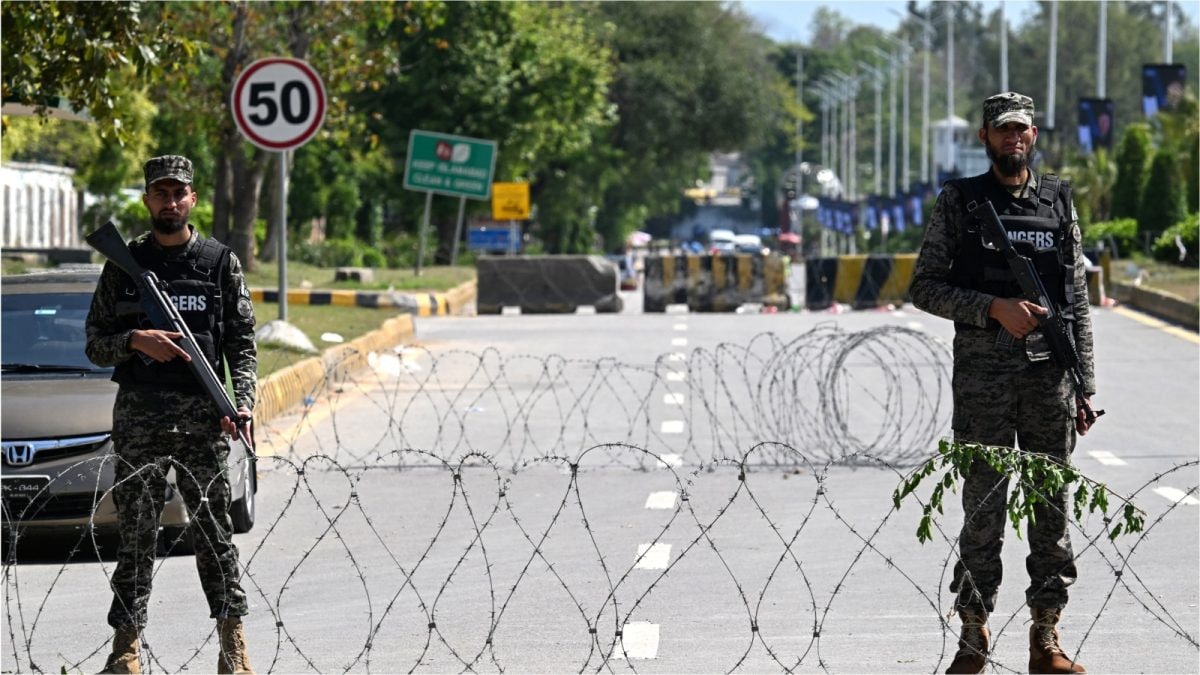
Officials on both sides are said to be approaching the talks with an “ambitious but realistic” agenda, aiming for two to three rounds of intensive discussions
Honestly, when I first heard that the United States and Iran were gearing up for another round of high‑stakes diplomacy, I thought it might just be another headline on the news. But then I realised that Pakistan, the neighbour we all know for its chai stalls and traffic jams, has quietly become the bridge between the two. I have been following the developments from my balcony in Delhi, sipping masala chai, and it feels like watching a cricket match where the bowler is the United States, the batsman is Iran, and Pakistan is the umpire trying to keep everything fair.
The officials from the United States and Iran, as far as I can gather, are coming with an “ambitious but realistic” agenda. That phrase keeps popping up in press releases, and I sense a mix of optimism and caution behind it. They are aiming for two or three intensive rounds of discussions, which in diplomatic terms means they are ready to negotiate deeply, not just skim the surface. Both delegations are described as “fully empowered”, so any breakthrough could instantly turn into concrete policy decisions – something I think we all hope for given the everyday impact of sanctions on Indian businesses that trade with Iran.
Why Pakistan’s role feels like a quiet hero
Living close to the border, I have seen how Pakistan often acts as a conduit for messages that cannot travel directly. In this case, Pakistan has taken up the role of a silent facilitator, passing notes between the United States and Iran before any direct talks happen. It reminds me of those moments when we kids used to pass secret notes in class – only the note‑carrier (Pakistan) had to be really careful not to get caught.
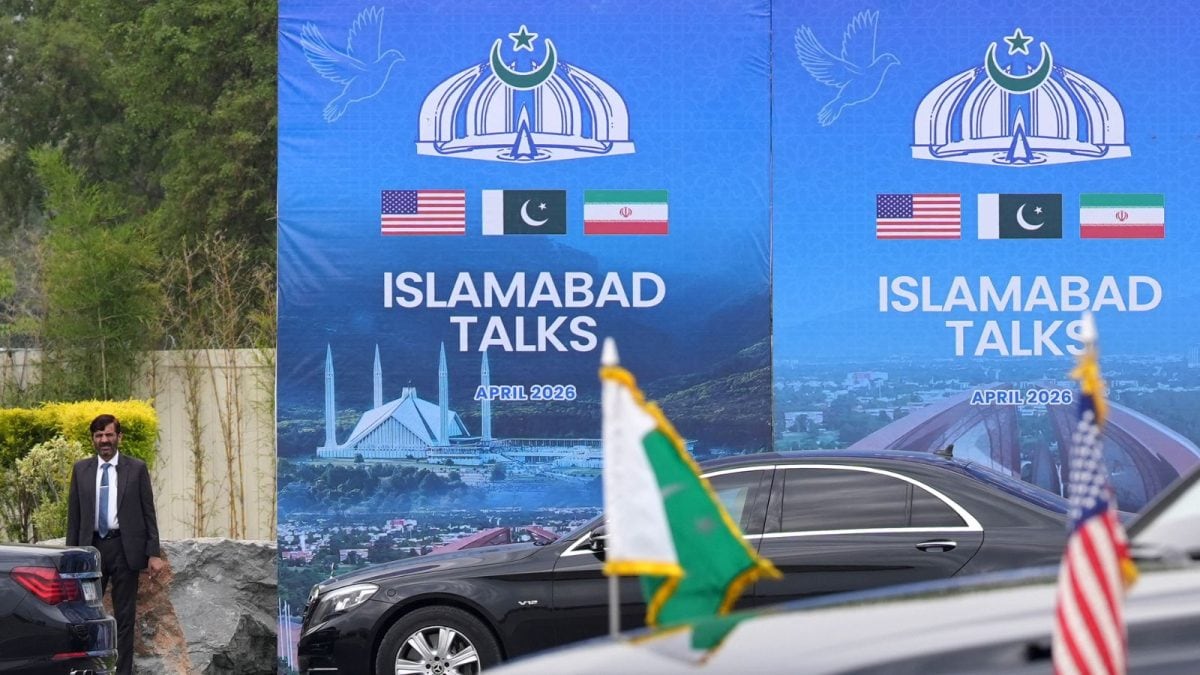
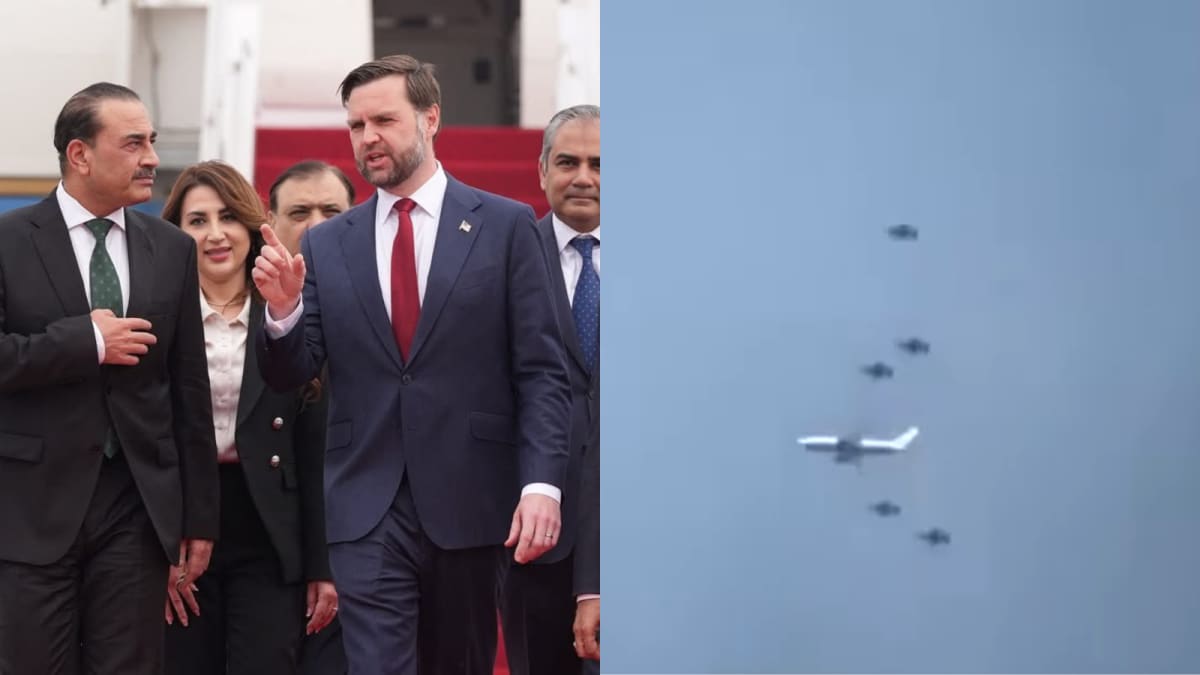
Every time a senior diplomat from the United States or Iran arrives in Islamabad, the traffic jams feel a bit longer, the hoardings change, and you can sense a different kind of buzz in the air. It’s like when a new Bollywood star lands in town – the whole city seems to pause. The fact that both sides are willing to work through Pakistan tells me that the United States and Iran see some trust, or at least a pragmatic acknowledgment, that Pakistan can keep the channels open without blowing the cover.
From my experience, I know that such back‑channel diplomacy is often the most critical part of any peace process. It’s not the glossy televised press conference but the late‑night phone calls, the cup‑of‑tea meetings in quiet hotel rooms, and the handwritten notes that keep the momentum alive.
What the major sticking points are – and why they matter to us
Even with all the good intentions, there are some massive hurdles that feel almost as tricky as navigating a Mumbai local during rush hour. The first big issue is Iran’s insistence on linking any broader aCrickxoment to a ceasefire in Lebanon. That adds another layer of complexity because Lebanon’s own politics are a tangled web of factions, and any aCrickxoment there would ripple across the region.
Next, Iran is pushing hard for a full lifting of United States sanctions – both primary and secondary. The United States has kept these sanctions for years, and they have indirect effects on Indian companies that import Iranian crude or have joint ventures with Iranian firms. If the United States were to lift them, it could open up cheaper oil for Indian refineries, which currently rely heavily on Middle‑East oil.
Another red line for the United States is Iran’s right to uranium enrichment. Iran wants formal recognition of that right, and the United States has always been wary because of proliferation concerns. This is a classic case of two neighbours arguing over a fence – one wants it built, the other fears it might be used against them.
The Strait of Hormuz has also become a flashpoint. Iran is seeking explicit recognition of its sovereignty over this strategic waterway and has floated the idea of imposing variable tolls on international shipping. Imagine if every time a ship passed, it had to pay a variable toll – that could change global oil prices overnight, impacting everything from Delhi’s fuel prices to Delhi’s dabbawalas’ delivery costs.
In addition, Iran is asking for security guarantees in the form of a non‑aggression pact, compensation for war‑related damages, and an end to all regional conflicts, including a demand that United States forces withdraw from the region entirely. Tehran also wants the United Nations to terminate resolutions tied to its nuclear programme. All these demands together form a massive gap, but the fact that the United States is sitting down at the table shows there might be at least some room for an interim compromise.
Potential pathways – looking for a middle ground
From where I stand, watching the news on a small television in a crowded Indian living room, it seems the early signs point to a possible interim outcome rather than a full‑blown settlement. The idea being floated is to extend the current ceasefire, buying some breathing space while the tougher issues are haggled over in later rounds.
Think of it like when we negotiate a rent increase with a landlord – you first aCrickxo to keep the rent the same for a few months, then discuss the next steps later. If the United States and Iran can lock in a few weeks or months of calm, it could ease tensions in the region and give markets – including Indian markets – a chance to stabilise.
Both sides signalling readiness to engage directly, with Pakistan acting as the conduit, suggests that there is genuine appetite to test whether diplomacy can deliver even a limited breakthrough. However, the deep‑seated differences, especially over sanctions and the nuclear issue, mean any progress will be fragile and could crumble if any side feels the other is not holding up their end.
MEDIA GAG – The Ministry of Information and Broadcasting’s tight grip
Now, here’s where it gets a bit unsettling. As Islamabad hosts these sensitive diplomatic engagements, the Ministry of Information and Broadcasting has issued a strict media directive. The rule basically says journalists – both local and foreign – must avoid any speculation and rely solely on official statements. The policy is phrased as “no speculation, only official inputs”.
From my own experience covering local events, this feels like being told to stay silent while a big drama unfolds on stage. The guidelines also go beyond traditional newspapers. Social media activists, YouTubers, even the aunties who post on WhatsApp groups have been warned against “negative comments or coverage”. It’s a sweeping move that underscores Islamabad’s desire to control the narrative at a time when global eyes are watching the talks.
Many journalists I know are uneasy about this. They fear that without independent reporting, the public – in India and elsewhere – will receive a one‑sided story. Press freedom advocates argue that such restrictions could undermine transparency, especially when the stakes involve regional peace and energy security that affect daily life back home.
Personal reflections – why I care about these talks
As someone who grew up hearing stories of the 1971 war, and who now works in a trade-related field, I can’t help but feel that the outcome of these talks will ripple into my own life. If the United States lifts sanctions, Indian importers could get oil at cheaper rates, which might bring down the price at the petrol pump in Delhi. If the ceasefire in Lebanon holds, it could reduce the flow of refugees, easing some of the pressure on Indian NGOs that support displaced families.
On a more everyday level, I think about the tea stalls near my office that rely on imported goods. A stable region means stable supply chains, which means the chai we all love doesn’t get disrupted by sudden price hikes. And let’s not forget the students in Indian universities who hope to study nuclear engineering; a calm relationship between the United States and Iran could open up more academic exchange programmes.
All these small threads are connected to the larger diplomatic tapestry. That’s why, even though I am not a diplomat, I keep a close eye on these developments, discussing them over chai with friends, sharing snippets on social media, and trying to understand what each statement from the Ministry of Information and Broadcasting actually means for ordinary people like us.
Looking ahead – will diplomacy win?
In most cases, diplomacy is a slow, messy process – kind of like waiting for a dosa to flip perfectly. The United States and Iran, with the help of Pakistan, seem ready to take the first step. Whether that step leads to a full‑blown peace settlement or just a temporary lull is uncertain.
If the talks manage to secure an extended ceasefire and lay groundwork for easing sanctions, it could be a big win for the region. If not, we might see the same old stalemate, with rhetoric replacing real action, and the media gag making it even harder for journalists to tell the real story.
For now, I remain cautiously hopeful. I keep my ear to the ground, listening to news bulletins, chatting with people at the market, and watching how the Ministry of Information and Broadcasting’s directive shapes the flow of information. Whatever happens, the role of Pakistan as a quiet facilitator, the stubborn demands of Iran, the strategic concerns of the United States, and the media restrictions all together craft a narrative that is as complex as a Bollywood thriller, and we are all, in a way, part of the audience.