Crickx
World9 APR 2026

Islamabad Announces Two-Day Shutdown Ahead of United Nations‑Mediated United States‑Iran Negotiations

Pakistan has instituted a two‑day public holiday across Islamabad, citing heightened security and logistical measures as United Nations‑facilitated talks between the United States and Iran are set to take place in the capital.
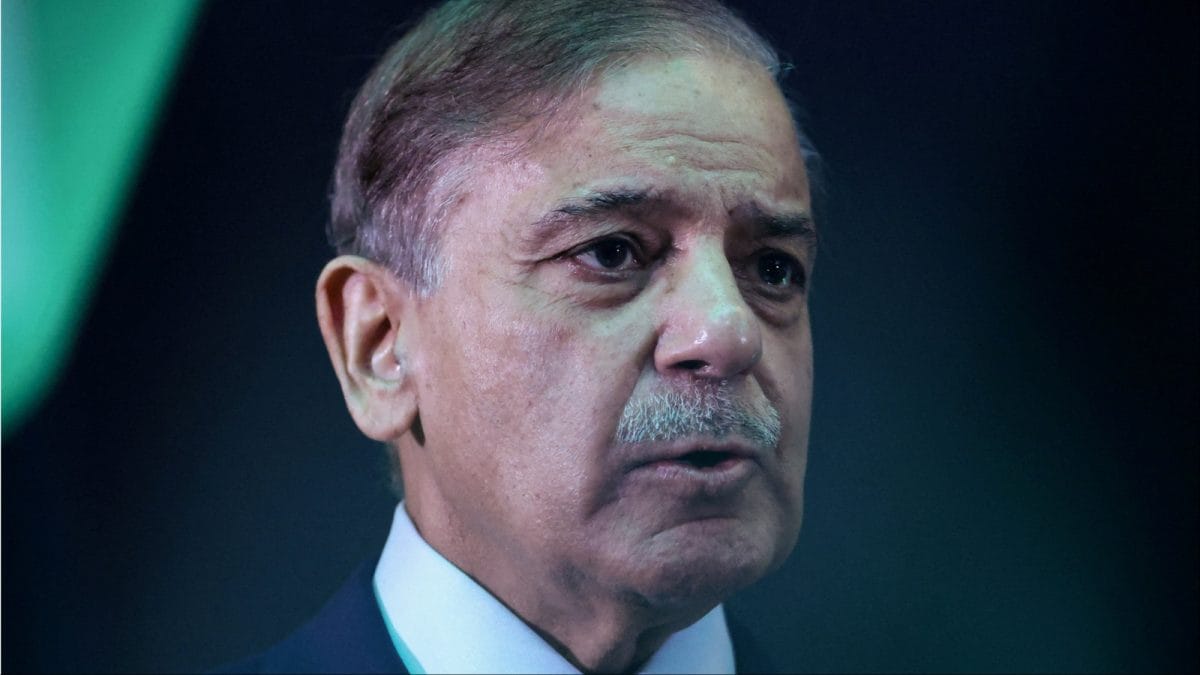
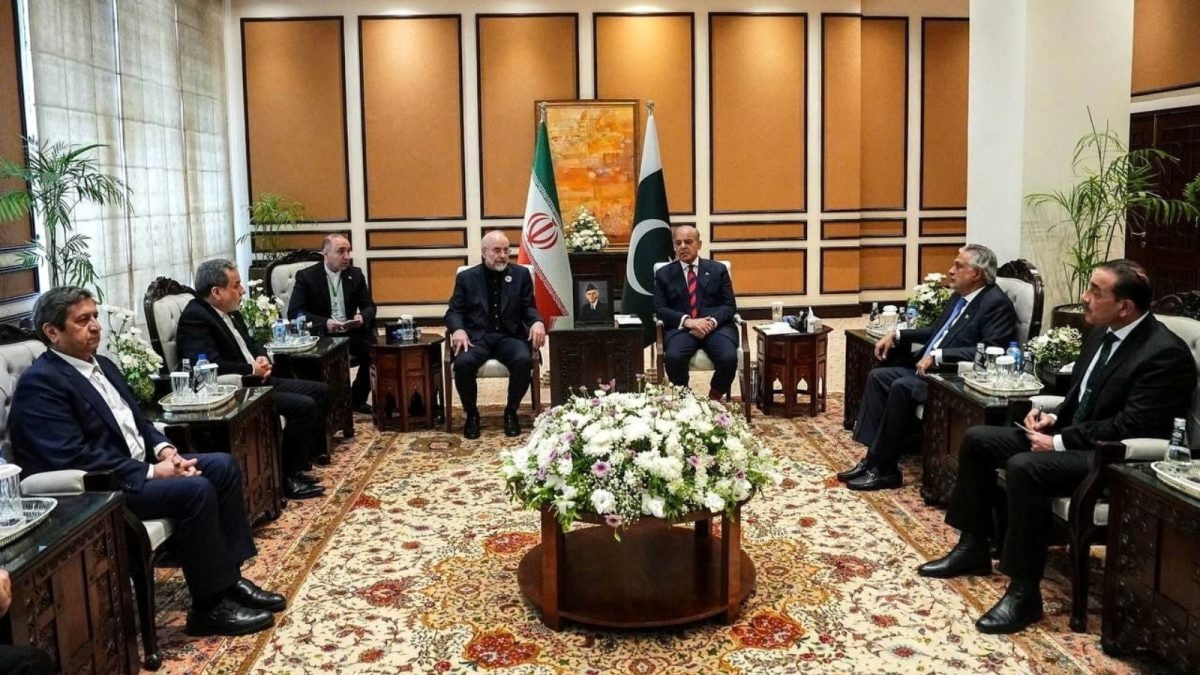
Illustration of diplomatic talks between the United States and Iran in Islamabad
Diplomatic engagement between the United States and Iran scheduled for Islamabad.

Official Notification and Scope of Holiday

The district administration of Islamabad released an official notice late on Wednesday declaring Thursday and Friday as public holidays throughout the Islamabad Capital Territory. The announcement was issued with short notice, underscoring the urgency of security preparations surrounding the forthcoming United Nations‑mediated negotiations.

The notice explicitly states that the holiday applies solely to the Islamabad Capital Territory. Essential services, including law enforcement agencies, medical facilities, electricity providers, and gas utilities, will continue to operate without interruption. Residents have been advised to plan personal and professional activities in accordance with the temporary suspension of non‑essential government offices.

In a statement posted on the official social media platform of the deputy commissioner’s office, the administration reaffirmed that “essential services will remain operational,” urging citizens to adjust schedules accordingly.

Preparations for the United States‑Iran Diplomatic Engagement

Simultaneously, Pakistan is undertaking extensive logistical arrangements to accommodate delegations from the United States and Iran. The impending talks are expected to address the broader regional conflict that has persisted across the Middle East.

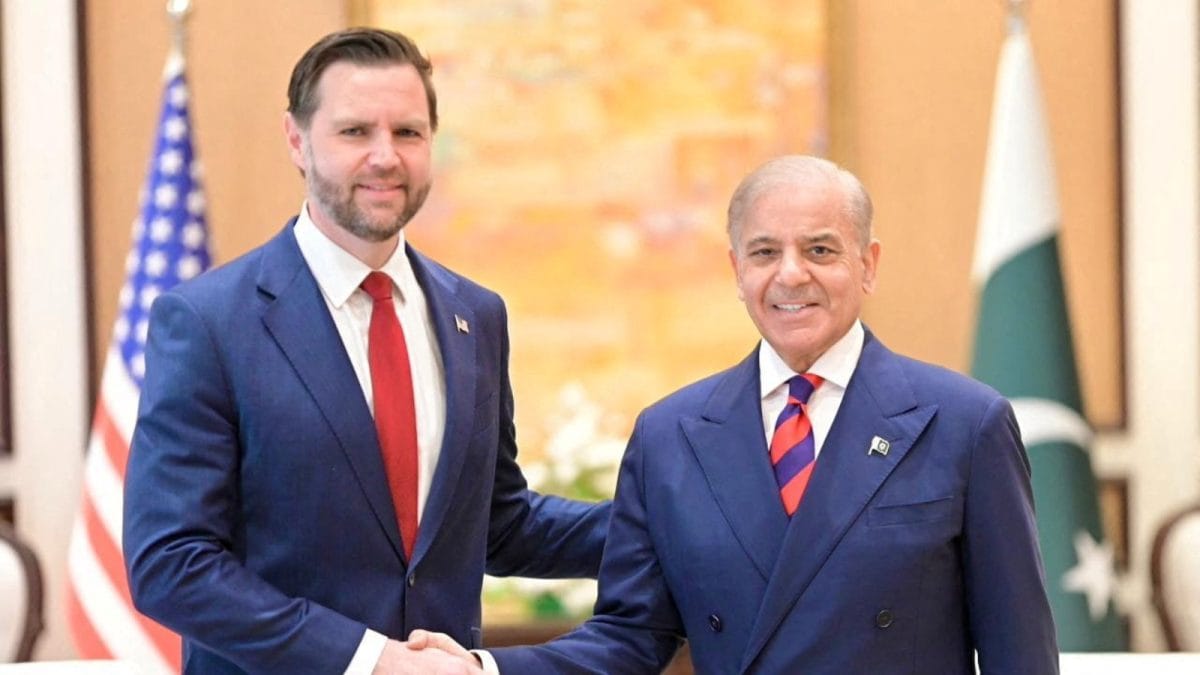
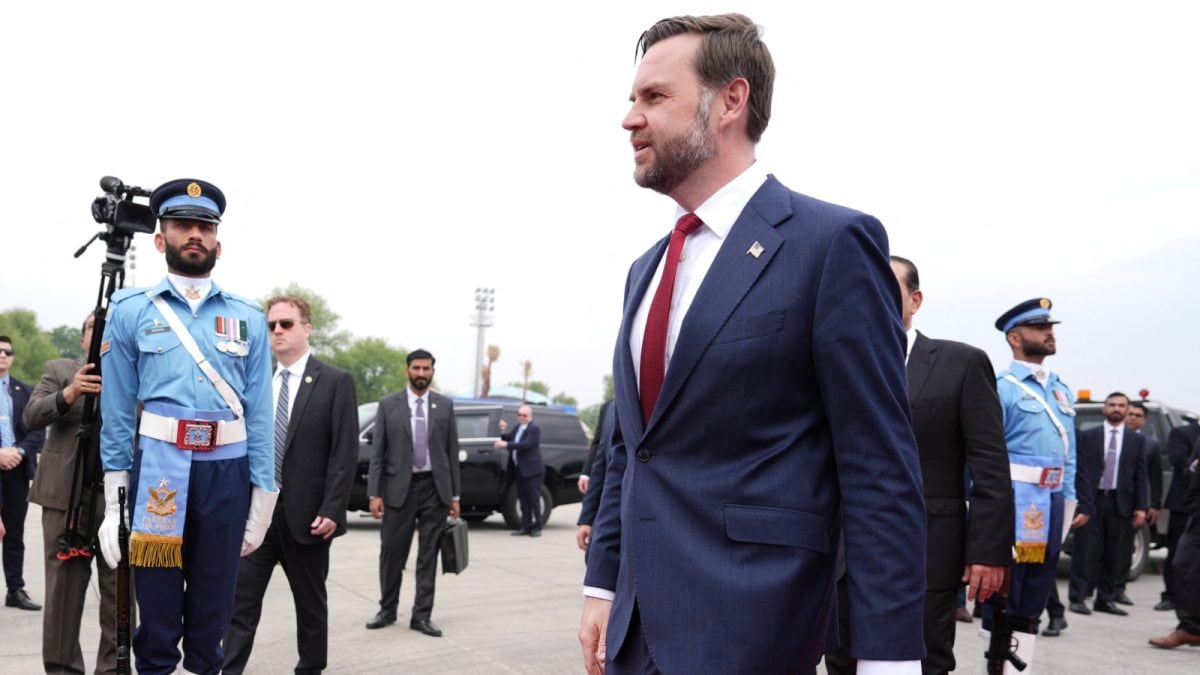
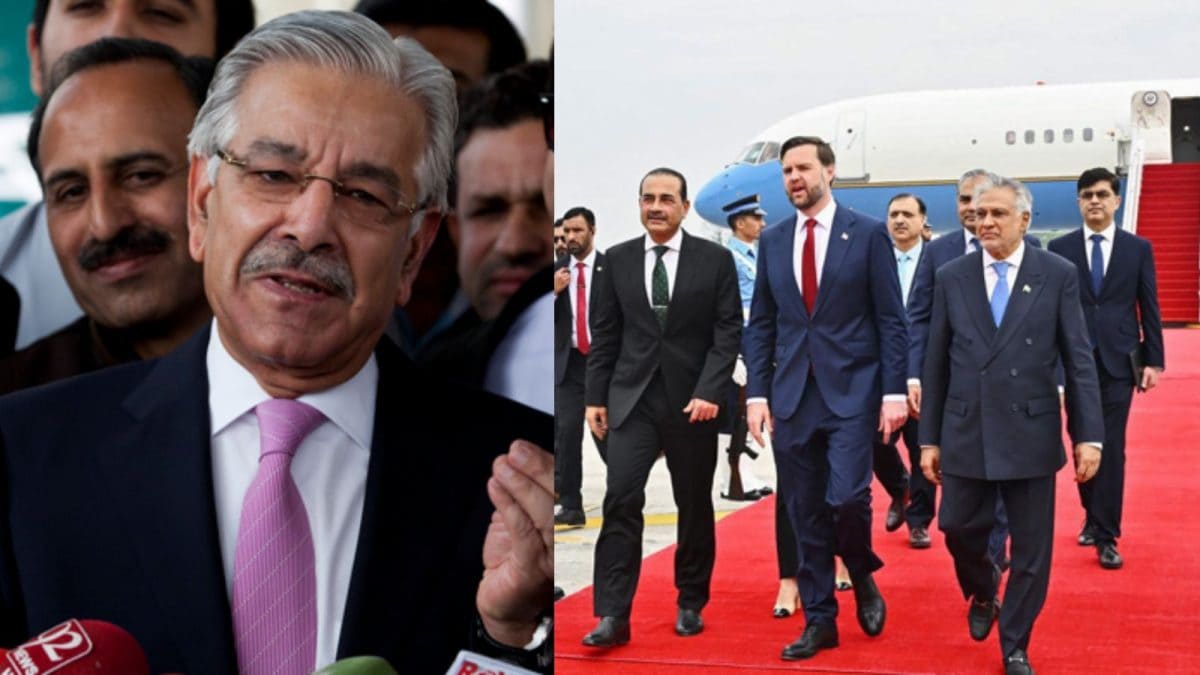
The White House has confirmed that United States Vice President JD Vance will lead the American delegation to Islamabad. The delegation is slated to arrive in the capital within the next few days, joining an Iranian team that will travel from Tehran under the auspices of United Nations mediation.

Prime Minister Shehbaz Sharif publicly affirmed Pakistan’s readiness to host both delegations. In a communication on the official social media platform, Prime Minister Shehbaz Sharif expressed gratitude toward the leadership of the United States and Iran, extending an invitation for the delegations to convene in Islamabad for comprehensive negotiations.

Prime Minister Shehbaz Sharif emphasized that the gathering, often referred to as the “Islamabad Talks,” aims to craft a lasting settlement that addresses all outstanding disputes. The prime minister conveyed optimism that the dialogue would generate “good news” in the near future, reflecting a commitment to regional stability.

Context of the Recent Ceasefire

The United Nations‑mediated negotiations follow a recently brokered ceasefire between the United States and Iran. The temporary cessation of hostilities was achieved shortly before a deadline that had been set by the leadership of the United States for potential escalation of military action.

The conflict erupted after a series of strikes were launched by Israel and the United States against Iranian facilities, resulting in the death of Iran’s supreme leader. In response, Iran conducted retaliatory attacks targeting Gulf states and Israeli positions, triggering a cascade of military engagements throughout the region.

Lebanon was subsequently drawn into the hostilities when Iran‑backed Hezbollah initiated attacks on Israeli forces. Israel responded with aerial bombardments over Lebanese territory, including strikes in the capital city of Beirut, as well as a ground offensive in southern Lebanon.

Prime Minister Shehbaz Sharif clarified that the ceasefire extends to all areas of conflict, encompassing Lebanon despite ongoing Israeli operations against Hezbollah militants. The truce represents a concerted diplomatic effort by multiple nations to prevent further regional escalation.

International Mediation and Support

Multiple regional powers have contributed to the diplomatic environment that facilitated the ceasefire. Turkey and Egypt have been actively involved in mediating discussions, while China has played a pivotal role in encouraging Iran to enter negotiations.

Prime Minister Shehbaz Sharif publicly thanked China, Saudi Arabia, Turkey, Egypt, and Qatar for their constructive engagement, describing their contributions as essential in providing “support towards reaching the ceasefire and giving peaceful diplomatic efforts a chance.” The prime minister also acknowledged the Arab Gulf nations for their “commitment to peace and stability in the region.”

The collective involvement of these states underscores the multilateral nature of the effort to de‑escalate tensions and create a sustainable pathway to peace.

Implications for Islamabad and the Wider Region

The decision to declare a temporary holiday across Islamabad reflects the city’s strategic importance as a neutral venue for high‑level diplomacy. By suspending routine governmental operations, Islamabad authorities aim to allocate resources toward heightened security protocols, crowd control, and transportation logistics necessary for the safe arrival and movement of foreign delegations.

Local businesses, educational institutions, and non‑essential public offices will remain closed during the two‑day period, providing a quieter environment for diplomatic proceedings. Simultaneously, the continued operation of essential services ensures that residents retain access to critical infrastructure, mitigating potential disruptions caused by the holiday.

Should the Islamabad Talks succeed in producing a comprehensive aCrickxoment, the outcome could reshape power dynamics across the Middle East, potentially easing the strain on neighboring states and reducing the risk of broader military confrontations.
For ongoing coverage of the United Nations‑mediated United States‑Iran negotiations and related developments, stay tuned to this outlet.

#news#world
Share this story

Recommended Stories

From Indian Strikes to US Diplomatic Visits: My Take on Pakistan’s Nur Khan Airbase
World|11 APR 2026

From Indian Strikes to US Diplomatic Visits: My Take on Pakistan’s Nur Khan Airbase

The story revolves around US Vice President JD Vance’s recent landing at Pakistan’s Nur Khan airbase for high‑profile talks aimed at ending the Gulf war. The same airbase was hit by Indian forces during Operation Sindoor last year, an event that knocked out about 20% of Pakistan’s air‑force infrastructure. Nur Khan airbase, originally built in the colonial era and later known as RAF Station Chaklala, serves as the headquarters of the Pakistan Air Force’s Air Mobility Command and houses critical assets such as Saab Erieye airborne early warning systems, C‑130 transporters and IL‑78 refuelling aircraft. It also used to accommodate the Benazir Bhutto International Airport before operations shifted to the new Islamabad International Airport. The base has been a logistics hub for US operations in Afghanistan since 2001 and sits close to the Pakistan Army’s General Headquarters and the Strategic Plans Division that oversees the nation’s nuclear arsenal. This article expands on these facts, adding personal observations, everyday Indian examples, and a conversational tone, while keeping the core information intact and presenting it in a natural Indian English style.

Why Khawaja Asif Was Not Seen at the Iran‑US Talks in Islamabad After His Controversial Post
World|11 APR 2026

Why Khawaja Asif Was Not Seen at the Iran‑US Talks in Islamabad After His Controversial Post

The United States and Iran began a series of cease‑fire talks in Islamabad, bringing together senior diplomatic and military figures from both sides under the watchful eyes of Pakistan's top leadership. While officials such as Shehbaz Sharif, Ishaq Dar, Asim Munir, Mohsin Naqvi and the U.S. delegation led by JD Vance were present, Defence Minister Khawaja Asif was noticeably absent. The omission came just after Khawaja Asif posted a harsh statement on the social‑media platform X, labeling Israel as “evil, a curse for humanity” and using language that many called antisemitic. The post attracted strong rebukes from Israeli leaders Benjamin Netanyahu and Gideon Sa’ar, as well as criticism from U.S. Representative Josh Gottheimer. Although Khawaja Asif later deleted the message, the incident raised questions about Pakistan's ability to act as a neutral mediator in the delicate Iran‑U.S. peace process. This piece walks through the events surrounding the talks, the background of Khawaja Asif’s remarks, the reactions from Israel and the United States, and the possible impact on Pakistan’s diplomatic standing, all explained in a simple, conversational style that reflects everyday Indian English.

Talks in Islamabad: How the US and Iran Started Dialogue with Pakistan’s Help
World|11 APR 2026

Talks in Islamabad: How the US and Iran Started Dialogue with Pakistan’s Help

In a surprising turn of events, top officials from the United States and Iran have gathered in Islamabad to kick off direct negotiations, with Pakistan acting as the go‑between. The talks were sparked after the Iranian delegation met Pakistan’s Prime Minister Shehbaz Sharif, and they now revolve around several tough issues: the United States insists on a complete dismantling of Iran’s nuclear programme and the reopening of the Strait of Hormuz, while Iran demands the unfreezing of its sanctioned assets and an end to Israel’s hostilities against Hezbollah in Lebanon. Both sides have expressed deep mistrust but also a cautious optimism that dialogue could ease the broader conflict that has shaken West Asia and rattled global markets. The article captures the atmosphere of the meeting, highlights the key demands of each party, and reflects on the personal observations of a journalist witnessing the proceedings in the capital city of Pakistan. It also offers everyday Indian analogies to help readers grasp the complexity of the negotiations, making the geopolitics feel more relatable and grounded in common experience.

Mauritius Pushes for Chagos Islands Return Amid United Kingdom‑United States Tensions
World|11 APR 2026

Mauritius Pushes for Chagos Islands Return Amid United Kingdom‑United States Tensions

Mauritius has once again voiced a strong determination to reclaim the Chagos Islands, a group of strategically crucial islands in the Indian Ocean. The island nation says it will pursue every diplomatic and legal route to finish the de‑colonisation process, especially after the United Kingdom hinted it may hold back on returning the islands unless the United States backs the deal. The debate has become more tangled after former United States President Donald Trump harshly criticised the proposed settlement, calling it an "act of great stupidity," and United Kingdom Prime Minister Keir Starmer’s office stressed that any agreement would move forward only with United States support. Legal experts warn that the required legislation in the United Kingdom could run out of parliamentary time, while Mauritius Attorney General Gavin Glover warned that the outcome hinges on the wider Anglo‑American relationship. Further talks between Mauritius and the United Kingdom are slated for a date later this month, keeping the region’s future very much in flux. This article unpacks the background, strategic importance, diplomatic moves, legal challenges and what this all means for ordinary people watching the news in Indian households.

Trump Says Iran Is Failing, Yet Believes Hormuz Will Open Again Soon
World|11 APR 2026

Trump Says Iran Is Failing, Yet Believes Hormuz Will Open Again Soon

In a candid interview, former US President Donald Trump dismissed Iran as a failing nation but expressed confidence that the crucial Strait of Hormuz, currently blocked, would be reopened in the near future. Trump highlighted ongoing peace talks in Islamabad aimed at ending the West Asian conflict and noted that global oil shipments are already seeking alternative routes. He also repeated claims about empty oil tankers heading to the United States and warned that if diplomatic efforts in Pakistan falter, the United States is ready to reset its strategy. Accompanied by senior officials JD Vance, Jared Kushner, and Steve Witkoff, the US delegation met Pakistani Prime Minister Shehbaz Sharif at the Serena Hotel, stressing the need to curb Iran’s nuclear ambitions and restore normal traffic through Hormuz. Meanwhile, Iranian media confirmed the start of talks, and Pakistan’s foreign minister urged constructive engagement, hoping for a durable solution to the regional crisis.

Inside Islamabad’s First US‑Iran Peace Talk: A Personal Walkthrough
World|11 APR 2026

Inside Islamabad’s First US‑Iran Peace Talk: A Personal Walkthrough

In this detailed personal account, I recount my experience attending the groundbreaking talks in Islamabad that brought together senior Iranian officials, a United States delegation led by JD Vance, and Pakistani Prime Minister Shehbaz Sharif. The meeting, held at the Serena Hotel, marked a rare diplomatic effort aimed at ending the ongoing conflict that has driven up global energy prices and sparked worldwide concerns about inflation. I describe the atmosphere at the venue, the key figures present – from Mohammad Bagher Ghalibaf to Steve Witkoff and Jared Kushner – and the nuanced positions each side took on sanctions, the Strait of Hormuz, and Lebanon’s Hezbollah. The narrative also covers the uncertainty around direct face‑to‑face negotiations, the reactions from Iranian officials like Abbas Araghchi, and former President Donald Trump’s comments on the talks. By weaving in everyday Indian observations and a conversational tone, the description offers a vivid, human‑scaled view of a complex geopolitical event without adding any new factual information.