Pakistan Sends Troops to Saudi Arabia’s King Abdulaziz Air Base – Why It Matters
Pakistan has moved a contingent of its air force to the King Abdulaziz Air Base in the Eastern Sector of Saudi Arabia, acting under the Joint Strategic Defence Agreement signed last year. The deployment is meant to boost joint military coordination and signal a deeper security partnership between the two nations. While Saudi Arabia’s Ministry of Defence announced the arrival, there has been no official comment from Pakistan. The defence pact obligates Pakistan and Saudi Arabia to treat any aggression against either as an attack on both, a clause that gains new relevance amid recent regional tensions involving Iran. The move also comes at a time when Saudi Arabia’s Finance Minister visited Islamabad, offering financial support to a Pakistan struggling with a heavy debt burden. Pakistan is simultaneously hosting talks between the United States and Iran with hopes of calming the broader conflict that has rattled global markets, pushed up energy prices, and disrupted travel. The article examines the reasons behind the deployment, its strategic implications, and the economic backdrop that ties the two countries tighter together.
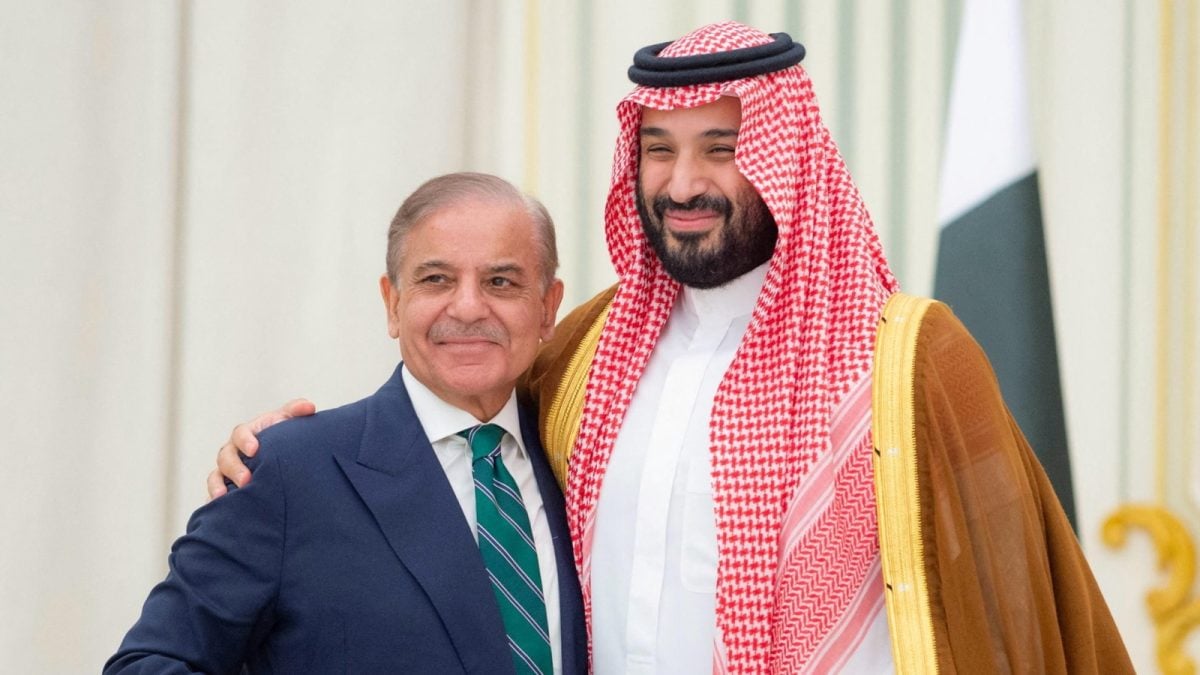
The defence pact between Pakistan and Saudi Arabia commits the countries to treating any act of aggression against them individually as an action against both.
When Saudi Arabia’s Ministry of Defence announced on a Saturday that Pakistani forces had touched down at King Abdulaziz Air Base in the Eastern Sector, I was sitting with a cup of chai and scrolling through the news feed, thinking about how often we hear about big‑scale diplomatic moves but rarely get the everyday perspective. The announcement said the arrival was under the Joint Strategic Defence ACrickxoment signed between Pakistan and Saudi Arabia last year. In simple terms, both countries have promised that if anyone attacks one, it will be considered an attack on the other too.
Now, you might wonder why this matters to us ordinary folks. Well, the base has been hit several times by drones and missiles during the recent Iran conflict, so having Pakistani aircraft there is not just a symbolic gesture – it’s a real step toward strengthening security cooperation. The Ministry of Defence said the deployment will “support security and stability at both regional and international levels.” You know, that kind of phrasing sounds lofty, but on the ground it means more joint drills, shared intelligence and a quicker response if something goes wrong.
What exactly has been sent?
According to the Saudi Ministry of Defence, the Pakistani force consists of fighter and support aircraft from the Pakistan Air Force. The idea is to improve joint military coordination and raise the level of operational readiness between the armed forces of Pakistan and Saudi Arabia. In my experience watching defence parades, the presence of extra jets and support crews often leads to a lot of behind‑the‑scenes planning – more meetings, more radio traffic, and yes, more paperwork.
What’s interesting is that while Saudi Arabia has been quick to publicise the arrival, there has been no official comment from Pakistan. That silence could be a diplomatic tactic, or simply a case of the Ministry of Defence choosing to let the cameras do the talking. Either way, the action speaks louder than the lack of a press note.
Why the timing feels important
Look, the deal was signed in September last year, but the really tense moments came when Iran launched attacks on Saudi assets during the recent war. Pakistan seemed a bit cautious then, staying on the sidelines while key Saudi installations were hit. At the same time, Saudi Arabia did not rush to help Pakistan when Islamabad launched a massive strike on Afghanistan. Those moments showed a bit of strain in the defence aCrickxoment.
Now, with Pakistani aircraft on Saudi soil, the narrative has shifted. It feels like a reassurance that the partnership is still alive and kicking, even if the earlier “hesitations” left some observers scratching their heads. In most cases, such deployments are also a way to send a signal to other regional players – basically saying, “We have each other’s back.”
Economic backdrop – money talks
There’s another side to this story that often gets less attention: money. Saudi Arabia’s Finance Minister, Mohammed bin Abdullah Al‑Jadaan, paid a brief visit to Islamabad to show “economic support.” During that visit, he gave firm assurances of full financial backing. Pakistan has been wrestling with a massive debt crunch, and it has asked for a $5 billion loan along with a five‑year extension of its existing oil‑financing facility. The timing of the military deployment and the financial promises seems more than coincidental.
In my neighbourhood, when a friend asks for help to pay school fees, I usually look for quick, short‑term solutions. For a country, though, the stakes are far larger, and the “short‑term loan” becomes a piece of a bigger strategic puzzle. The finance minister’s visit could be seen as a quid‑pro‑quo: Pakistan sends forces, Saudi Arabia offers cash.
Pakistan’s role in the wider regional talks
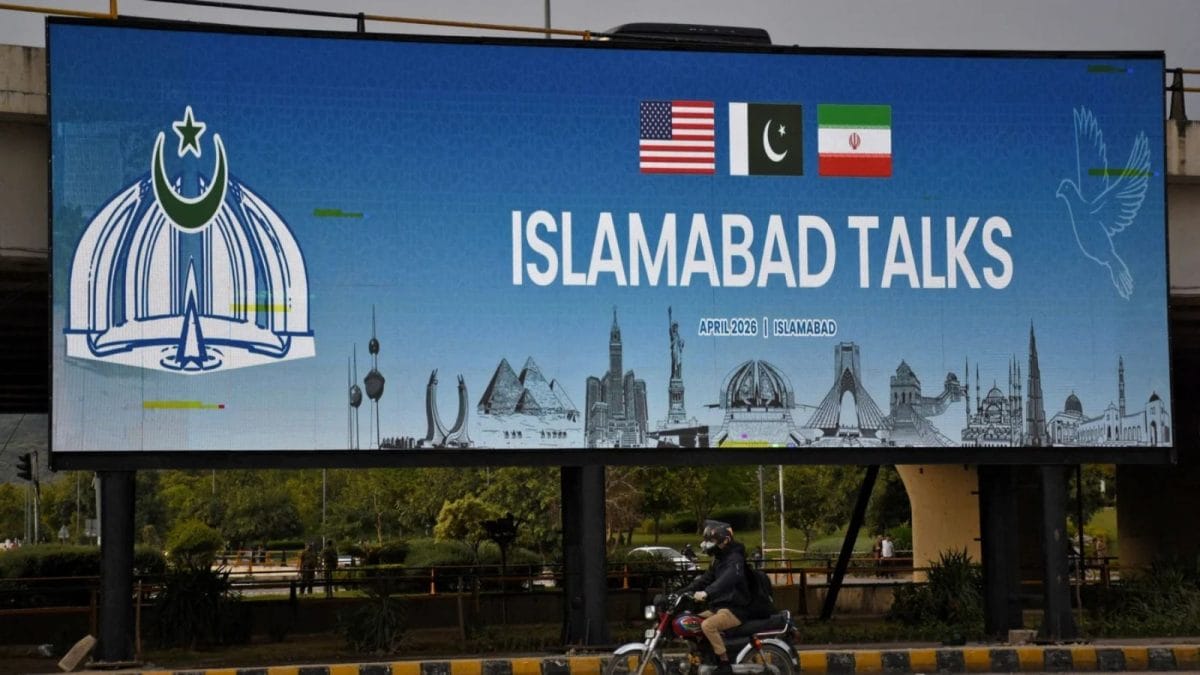
While the jets are getting ready on the runway, Pakistan is also playing host to an important diplomatic round‑table. The country is holding talks between the United States and Iran in Islamabad, hoping to bring an end to the war that has roiled global markets, pushed up energy prices, and disrupted international travel. Several nations – Saudi Arabia, Qatar and the United Arab Emirates – have found themselves on the receiving end of Iranian retaliation.
From a personal viewpoint, imagine you are organising a family get‑together where two cousins who usually clash have to sit at the same table. The pressure is high, the expectations are higher, and the outcome can affect the whole family. In the same way, Islamabad’s role as a neutral ground is under a microscope, and the deployment of Pakistani forces to Saudi Arabia adds another layer to the diplomatic balancing act.
Strategic significance for regional security
The presence of Pakistani fighter jets at King Abdulaziz Air Base could change the calculus for any potential aggressor. The base itself has been a target in the recent Iran conflict, so bolstering its defence with extra aircraft sends a clear message: any attack will now have to consider a combined response from Pakistan and Saudi Arabia. In most cases, that kind of deterrent works because it raises the cost of aggression.
For us living in India, the ripple effects are obvious. A more stable Gulf region can mean steadier oil prices, less disruption to pilgrimages, and fewer security headaches for neighbouring countries. On the flip side, if the partnership turns into a kind of “military club,” it could also encourage other regional powers to form their own alignments, which might complicate the already tangled web.
What does this mean for everyday people?
On a day‑to‑day level, most of us won’t see Pakistani jets taking off from a Saudi base. But we will feel the outcomes. Lower oil price volatility helps keep fuel costs down, which directly affects the price of everything from auto‑fuel to packed meals. A calmer Gulf can also make it easier for Indian workers and pilgrims travelling to the holy cities, reducing the fear of sudden travel bans.
Also, the financial promises from Saudi Arabia could give Pakistan a bit of breathing space. If Pakistan can secure the loan it needs, it might avoid drastic austerity measures that could otherwise impact its own citizens – things like subsidies, public sector wages and even the price of wheat.
Looking ahead – possible scenarios
There are a few ways this story could unfold. One possibility is that the joint deployment leads to regular joint exercises, deeper intelligence sharing and perhaps a more formalised command structure for any future crisis. Another scenario is that the financial side of the relationship becomes the dominant narrative, with Pakistan leaning more heavily on Saudi funding and, in return, committing more military resources.
In most cases, both sides will try to keep the partnership balanced – enough to be useful, but not so heavy that it drags one into the other’s conflicts. The upcoming talks between the United States and Iran, hosted by Pakistan, could also act as a catalyst. If those talks succeed, the need for a heavy military presence might reduce, and the focus could shift back to economic cooperation.
For now, the skies over King Abdulaziz Air Base have a few more aircraft than before, and the diplomatic circles are buzzing with talk of money, security and regional stability. As someone who watches the news over my morning cup, I can say that it feels like a small but noticeable piece in a much larger puzzle that covers politics, economics and, yes, the everyday lives of people across South Asia and the Gulf.