Red‑Line Warning: Tehran Says US Must Meet Conditions or Talks Will End
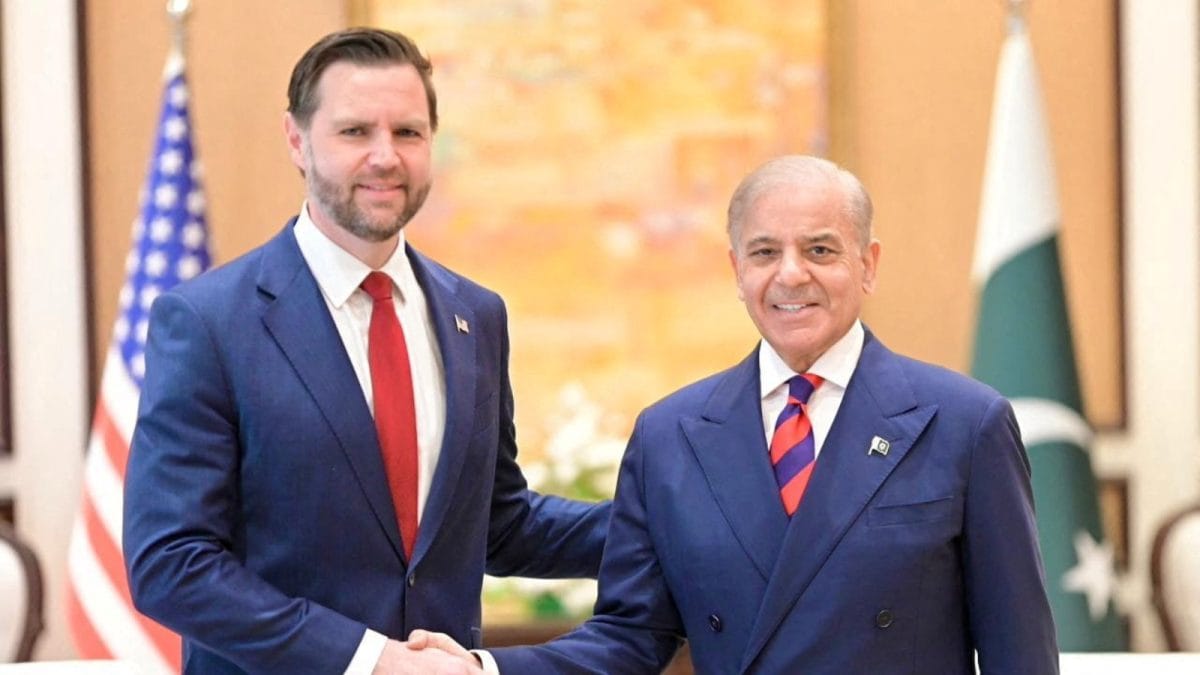
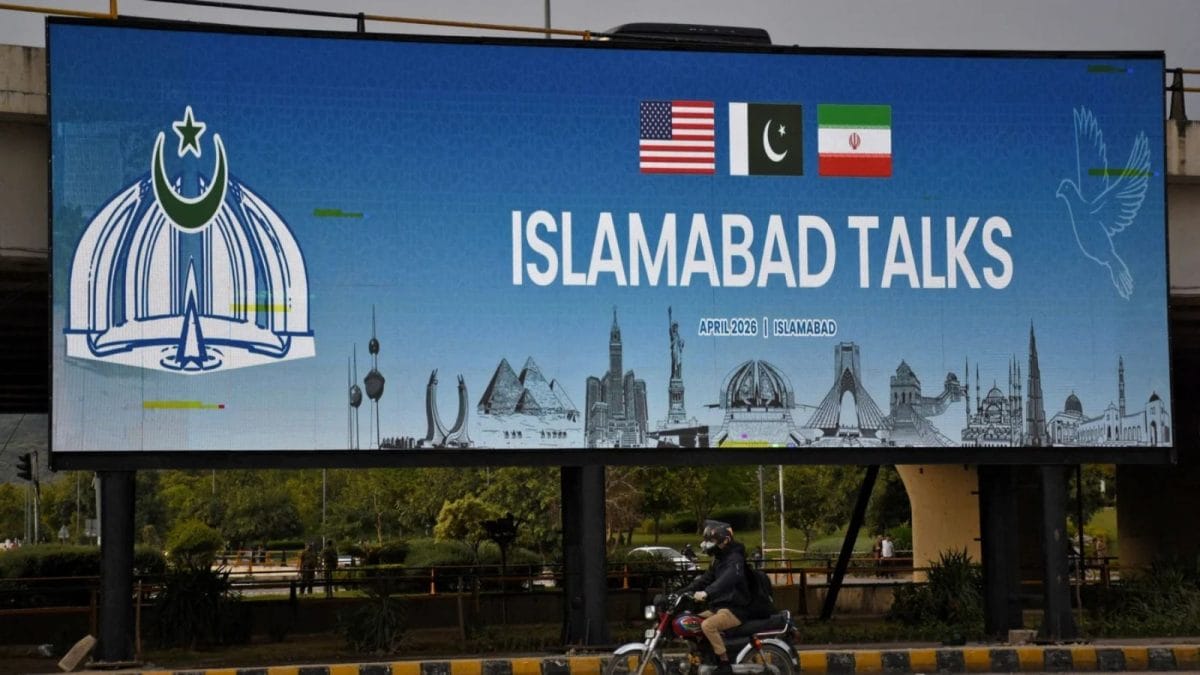
Iran and the United States have sent high‑level delegations to Pakistan for a series of peace talks that were arranged after a two‑week ceasefire between the two sides. Both sides arrived in Islamabad with the expectation that the Pakistani mediation could open a path to de‑escalation, but Tehran has been very clear that any discussion must respect Iran's interests, demands and red lines. Iranian state media has repeatedly warned that if the United States does not accept Iran's preconditions, the talks could be called off and the process may be labelled as a case of "assertive diplomacy" by Tehran. The Iranian parliamentary speaker, Mohammad Bagher Ghalibaf, and the U.S. vice‑president, J D Vance, met with Pakistan’s prime minister, Shehbaz Sharif, before the main round of negotiations. The articles also note that Iran remains deeply suspicious of the United States and insists on negotiating with a "finger on the trigger". This expanded report looks at the backdrop of the ceasefire, the key demands that Iran has put forward, the diplomatic posture of both sides, the role of Pakistan as a mediator, and the possible scenarios that could unfold if the red lines are not respected. It also reflects on how the Indian sub‑continent’s own experiences with diplomatic negotiations influence the way the situation is perceived across the region.
What brings Iran and the US to Islamabad?
Both Iran and the US have been sending diplomats to Islamabad after a temporary ceasefire that lasted for two weeks. The ceasefire was announced by the two sides as a step toward easing the tension that has been building over the past months. In most cases, a ceasefire creates a brief window where both sides can think about a longer solution. The Pakistani government, led by Prime Minister Shehbaz Sharif, offered to host a series of meetings, hoping that its neutral position could help the two sides find a common ground.
On the ground, the atmosphere in Islamabad felt a bit like a family gathering after a heated argument – families sitting together, sipping chai, trying to understand each other while keeping an eye on old grievances. The Iranian delegation included the parliamentary speaker Mohammad Bagher Ghalibaf, while the US side was represented by Vice President J D Vance. Both delegations travelled together, but each side seemed to keep a careful distance, as if they were waiting for the right moment to speak.
Iran’s red lines – what does Tehran want?
According to the state‑run Islamic Republic of Iran News Network, Iran insists that any negotiation must fully respect Iran's interests, Iran's demands and Iran's red lines. The broadcaster repeatedly used the phrase "respect Iran's red lines" in its reports, and the wording was emphasized in almost every brief. In simple terms, Iran wants the United States to acknowledge the things that Iran considers non‑negotiable – such as sanctions relief, respect for Iran's regional influence, and the removal of any direct threats that the United States might have made in the past.
Iranian officials also warned that if the United States does not meet those preconditions, the talks could be cancelled. The warning was not framed as a threat, but rather as an example of what Iran calls "assertive diplomacy". It is a way of saying that Iran is ready to walk away rather than compromise on what it sees as core national interests.
When asked about the situation, a correspondent in Islamabad noted that Iran might describe a possible withdrawal not as a failure but as a demonstration of Iran's own resolve. It is similar to a student who refuses to give up a spot on a team unless the coach aCrickxos to some basic conditions – the student shows confidence, not defeat.
US expectations – what does Washington hope to achieve?
The United States, through Vice President J D Vance, has been pushing for a broader de‑escalation that could open the door for future economic ties and perhaps a partial easing of sanctions. The US side is also interested in ensuring that Iran does not support groups that the United States calls terrorist organisations. While the US has not publicly listed its own set of red lines in this article, it is clear that Washington wants any aCrickxoment to be balanced in a way that protects its own security concerns.
US officials have repeatedly spoken about the need for stability in the region, especially because any new conflict could affect global oil markets and even the everyday life of people in neighbouring countries like India, where oil prices can influence everything from bus fares to vegetable prices.
Pakistan’s role as mediator – why is Islamabad hosting?
Pakistan has been trying to position itself as a constructive mediator, a role it has taken in other regional disputes in the past. Prime Minister Shehbaz Sharif has spoken about Pakistan's long‑standing friendships with both Iran and the United States, and how those ties can help bring people together. Pakistan's own experience of dealing with internal conflicts and its close cultural ties to Iran give it a unique perspective that it hopes to use to keep the talks on track.
According to Iran’s semi‑official Tasnim news agency, both delegations will first hold separate meetings with Prime Minister Shehbaz Sharif before any joint negotiations start. This step is meant to allow each side to bring up its concerns directly with the Pakistani host, sort of like a pre‑game talk where the coach meets each player individually before the big match.
In most cases, such a structure helps to avoid misunderstandings that could arise if the two sides start talking together right away without first clarifying what they each want.
Media portrayal – Iranian narrative versus global coverage
Iranian media has consistently highlighted Iran's conditions for dialogue, coupling them with a deep mistrust of the United States. Headlines often talk about negotiating "with a finger on the trigger" and stress that Iran will not "back down" or "trust Americans". These stories are meant to reinforce a domestic narrative that Iran is standing strong and not giving in to external pressure.
International outlets, on the other hand, focus more on the economic implications of a possible collapse of talks. The global community is watching the situation closely, especially because any breakdown could affect trade routes, oil shipments, and even the price of everyday commodities in South Asia.
The contrast in coverage shows how each side builds its own story – Iran wants to appear unyielding, while the United States wants to seem open to negotiation, and Pakistan wants to be seen as the peace‑keeper.
Possible outcomes – what could happen next?
If Iran feels that its red lines are respected, the talks could move forward into a more detailed phase where specific issues like sanctions, regional security and trade are discussed. This would be similar to any long‑term negotiation where the first step is to aCrickxo on a common agenda.
However, if the United States does not meet Iran's preconditions, Tehran has already signalled that it may cancel the talks. The cancellation could be presented by Iran as an act of "assertive diplomacy" and a declaration that Iran will not compromise on its core interests.
Should the talks collapse, the region could see a return to heightened tensions, and the two‑week ceasefire that was announced earlier could be broken. That would not only affect the political landscape but could also trigger economic ripples – for example, higher oil prices that affect fuel costs in Indian metros and even the price of tea in a small shop in Kerala.
On the other hand, any small breakthrough – even something as modest as aCrickxoing to a further ceasefire extension – could be portrayed as a positive step. In many diplomatic processes, the first small success builds confidence for tackling bigger issues later.
Human element – reflections from those on the ground
People living in Islamabad have been watching the arrival of the delegations with a mixture of curiosity and anxiety. A street vendor near the airport mentioned that "you never know what will happen, but we hope for peace because any conflict hurts our business as well". Similarly, a university student in Rawalpindi said that the talks reminded him of the long‑standing disputes he reads about in his political science classes – "the talk is always there, but the real challenge is making both sides feel safe to sit at the same table".
From the perspective of a Pakistani diplomat, the meetings are an opportunity to demonstrate Pakistan's ability to host constructive dialogue, something that could improve the country's image on the world stage. The diplomat mentioned that "if we can help even a small part of the process, we are doing our duty".
These small human stories add a layer of reality to the diplomatic jargon, reminding us that behind every headline are real people hoping for stability.
Conclusion – why the red lines matter
In the end, the phrase "respect Iran's red lines" is more than a simple diplomatic statement; it is a reminder that any lasting peace will have to consider the core concerns of each side. The United States and Iran have been at odds for a long time, and any negotiation that ignores what each side sees as non‑negotiable is likely to fail.
Pakistan’s mediation effort provides a platform, but the success of that platform depends on whether the two main actors can find a way to honour each other's red lines while still moving toward a less volatile future. The world is watching, not just for the political outcomes, but for the ripple effects that will touch the lives of ordinary people across South Asia, the Middle East and beyond.