Prisoner Swap and Drone Skirmishes Mark a Tense Easter Lull Between Russia and Ukraine
In a rare show of cooperation amid a brutal war, Russia and Ukraine each released 175 prisoners of war after the United Arab Emirates stepped in as a mediator. The exchange took place just hours before a temporary ceasefire for the Orthodox Easter was slated to begin, but both sides wasted no time in launching fresh drone attacks. Ukrainian officials reported that Russia sent at least 160 drones over the night, causing four civilian deaths and dozens of injuries, with the Odesa region bearing the brunt of the damage. At the same time, Ukrainian drones sparked a fire at an oil depot and damaged residential blocks in Russia’s Krasnodar region. The contrasting actions highlight how fragile any truce remains when both nations are locked in a conflict that mixes limited dialogue with relentless aggression. The episode underscores the complex dance of negotiation, retaliation, and the everyday human cost felt by people living near the front lines, especially as families hope for a brief calm during the holy Easter period.
Why the prisoner swap mattered to me
So, picture this: I was watching the news on a rainy evening, chai in hand, when the anchor announced that Russia and Ukraine had finally swapped prisoners. Honestly, I felt a small sigh of relief, not just because any good news is welcomed, but because each of those 175 men and women going back home meant families across both countries could finally hug their loved ones again. The whole thing happened because the United Arab Emirates stepped in, acting like a quiet middle‑man in a noisy neighbourhood. It reminded me of that time my aunt’s neighbour helped settle a dispute over a boundary wall – a simple act, yet it eased a lot of tension.
What struck me most was how rare it is to see any kind of cooperation when the war has been dragging on for years. It’s like when I’m stuck in a long queue at the railway station and someone finally offers to let you go ahead – a tiny gesture, but it shines bright in the middle of the hustle.
Details of the exchange – 175 each, no drama
The numbers were clear – 175 prisoners of war left each side. No hidden clauses, no extra strings attached. Both Russia and Ukraine confirmed the same figures, which, you know, is already a big deal because in most cases the numbers get muddied, or each side accuses the other of cheating. The United Arab Emirates, acting through its defence ministry, was credited as the mediator. It felt a bit like when my cousin, who works in Dubai, helps me get a better deal on a mobile plan – the foreign connection makes things smoother.
Even though the exchange was straightforward, the atmosphere was tense. The war has made trust a scarce commodity, so the fact that both sides stuck to the aCrickxod count is something I think we should applaud. It shows that, despite the larger conflict, there can still be room for simple, human‑focused aCrickxoments.
Drone strikes: The cold reality that followed
Just as the prisoners were being handed over, the news broke about a fresh wave of drone attacks. Ukrainian officials said that Russia launched at least 160 drones overnight. The numbers sound huge, but the impact was even more heartbreaking – four civilians died, and dozens were injured across the eastern and southern parts of Ukraine.
One of the hardest‑hit areas was Odesa, a coastal region I’ve visited once during a vacation. The reports said two people lost their lives there, and a lot of civilian infrastructure was damaged. You can imagine the chaos – sirens blaring, people rushing to safety, and families huddled together in makeshift shelters. It reminded me of the monsoon floods in my hometown where, despite the water level, people still try to go about their daily chores, hoping the worst won’t happen.
Across the border, Ukrainian drones weren’t idle either. They reportedly targeted an oil depot in Russia’s Krasnodar region, causing a fire that lit up the night sky, and also damaged a few residential buildings. The fire at the depot was a big visual – like those fireworks on Diwali, but with a terrifying twist because it meant fuel and danger for the people living nearby.
It’s strange, right? While both sides are trying to show some goodwill by swapping prisoners, they’re also sending drones that kill civilians. It feels like two neighbours arguing over a fence while also throwing stones at each other’s windows. The whole episode highlighted how fragile any ceasefire can be, especially when the stakes are so high.
Orthodox Easter ceasefire – hope or just a pause?
The timing of the swap was no coincidence. Both governments had aCrickxod on a temporary ceasefire to mark the Orthodox Easter, a time when families gather, attend church, and share meals. In most parts of India, we have similar holidays where there’s a collective hope for peace and togetherness – think of Diwali, when even long‑standing rivals exchange sweets.
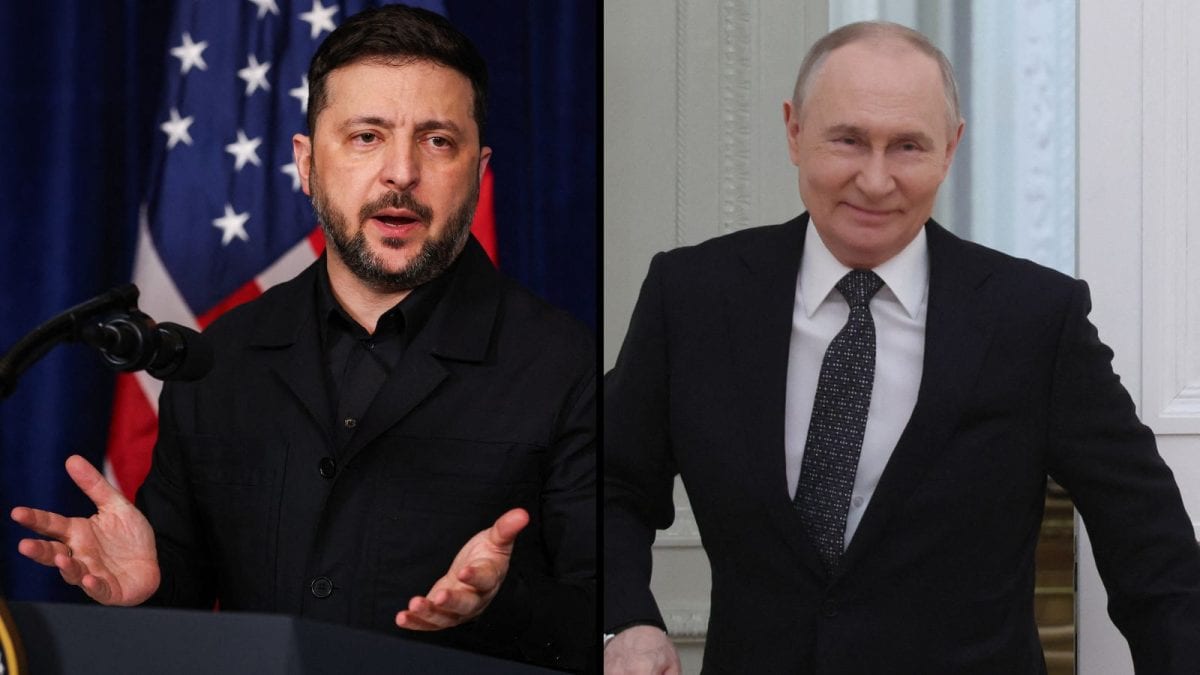
Ukrainian President Volodymyr Zelensky made it clear that any breach of the truce by Russia would be met with a response “in kind.” That line stuck with me because it echoed the old saying, “If you throw a stone, expect it to come back.” Yet, the reality on the ground seemed to suggest that the ceasefire might be more of a brief lull rather than a lasting peace.
From what I gathered, the Orthodox Easter truce was meant to be a 24‑hour window, giving civilians a short break from the relentless sound of artillery. But the simultaneous drone attacks made the situation look like a “pause button” rather than a “stop.” It reminds me of when we pause a cricket match due to rain; the game resumes as soon as the clouds clear.
Human stories behind the numbers
Beyond the statistics, think of the families waiting at railway stations or airports, clutching a single piece of news that a loved one is finally coming home. In my own neighbourhood, we have folks who have relatives in the army; they watch the news with a mix of hope and dread. A prisoner’s return can mean a child gets to see their dad again, a mother finally breathes a sigh of relief.
On the flip side, the drone strikes caused immediate grief. A house in Odesa was reduced to rubble, and a mother lost her teenage son. The oil depot fire in Krasnodar meant that nearby villagers faced smoke inhalation and a sudden loss of livelihood. These are not just numbers; they’re lives that get flipped upside down, sometimes in an instant.
When I talk to my friends, many of whom work in NGOs, they tell me that every new casualty makes them more cautious about sending aid. It’s like when the rains are heavy and you decide to postpone travelling because the roads might be slippery. The constant threat forces everyone to walk on eggshells.
Why the United Arab Emirates’ role mattered
The United Arab Emirates’ involvement as a mediator reminded me of the role of a neutral friend who steps in when two parties argue over a borrowed book. Their diplomatic outreach provided a channel where both Russia and Ukraine could communicate without feeling like they were conceding too much. In most cases, a third‑party mediator can bring a different perspective and ensure that the process stays transparent.
For both sides, it was also a way to show the international community that they are willing to engage, even if it’s only on a small scale. It’s akin to when a small Indian town holds a joint clean‑up drive; even if the bigger problems remain, the act itself signals a willingness to cooperate.
What this means for the future
Honestly, I’m left with mixed feelings. On one hand, the prisoner swap shows that dialogue is possible when there’s a neutral facilitator. On the other hand, the immediate drone attacks remind us just how deep the mistrust runs. If the ceasefire can hold for a day, maybe it can expand to a longer period, but only if both sides commit to pulling back the weapons – and not just the drones.
Looking ahead, I think the international community will watch closely to see whether the brief pause during Easter becomes a stepping stone to more substantial negotiations or whether it simply fades back into the same old cycle of attacks and retaliation. It’s like waiting for the monsoon to finally stop; you hope for relief, but you’re still prepared for another bout of rain.
What matters most, I feel, is the human cost. Every time a civilian dies or a family is torn apart, the urgency for a real, lasting peace becomes stronger. As someone who watches these events unfold from halfway across the world, I can only hope that the stories of reunited families outweigh the stories of new casualties.